Date: August 3-17.08.2026
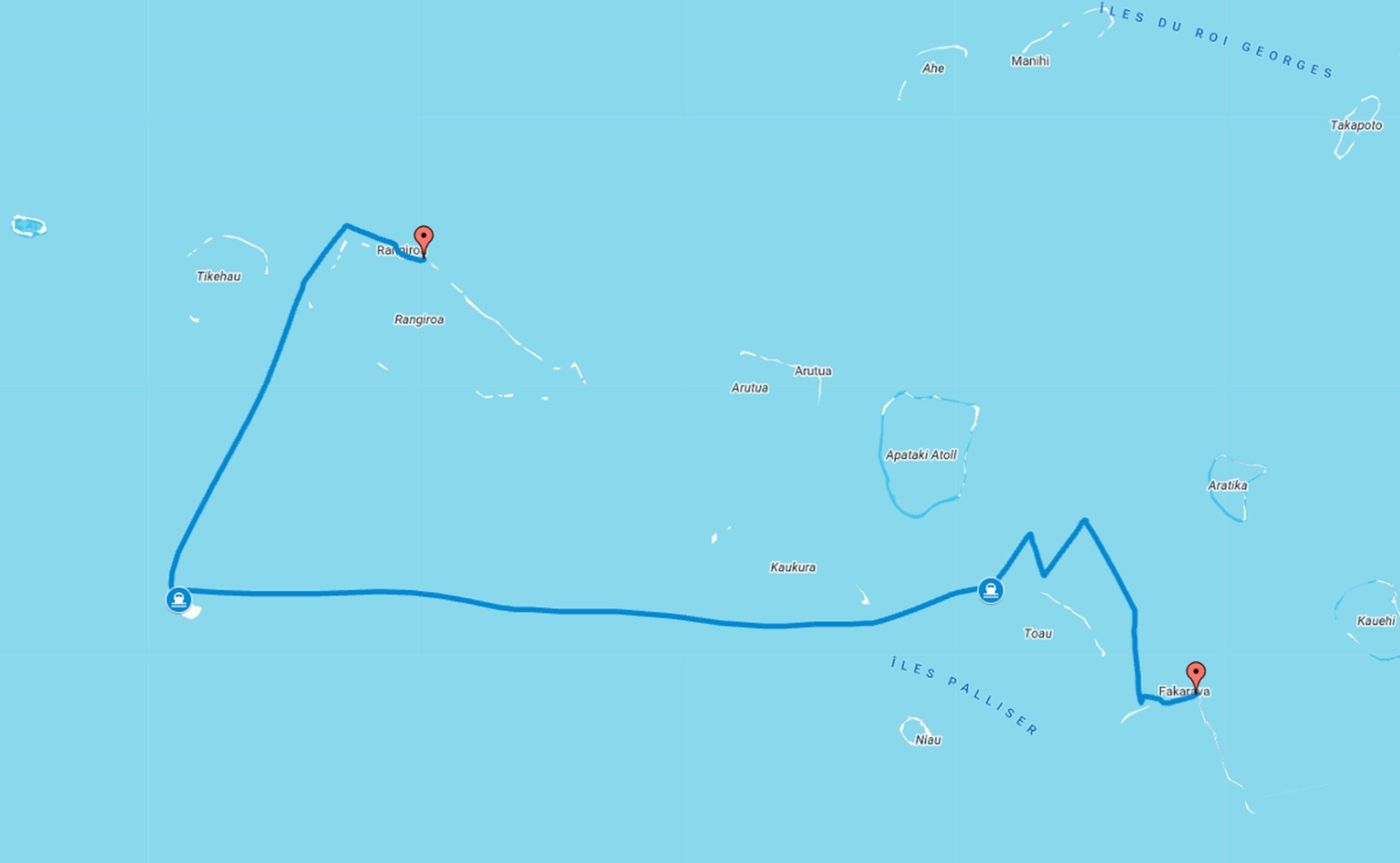
Route: Rangiroa-Makatea-Toau-Fakarava
Miles/Hours: 70h/249NM
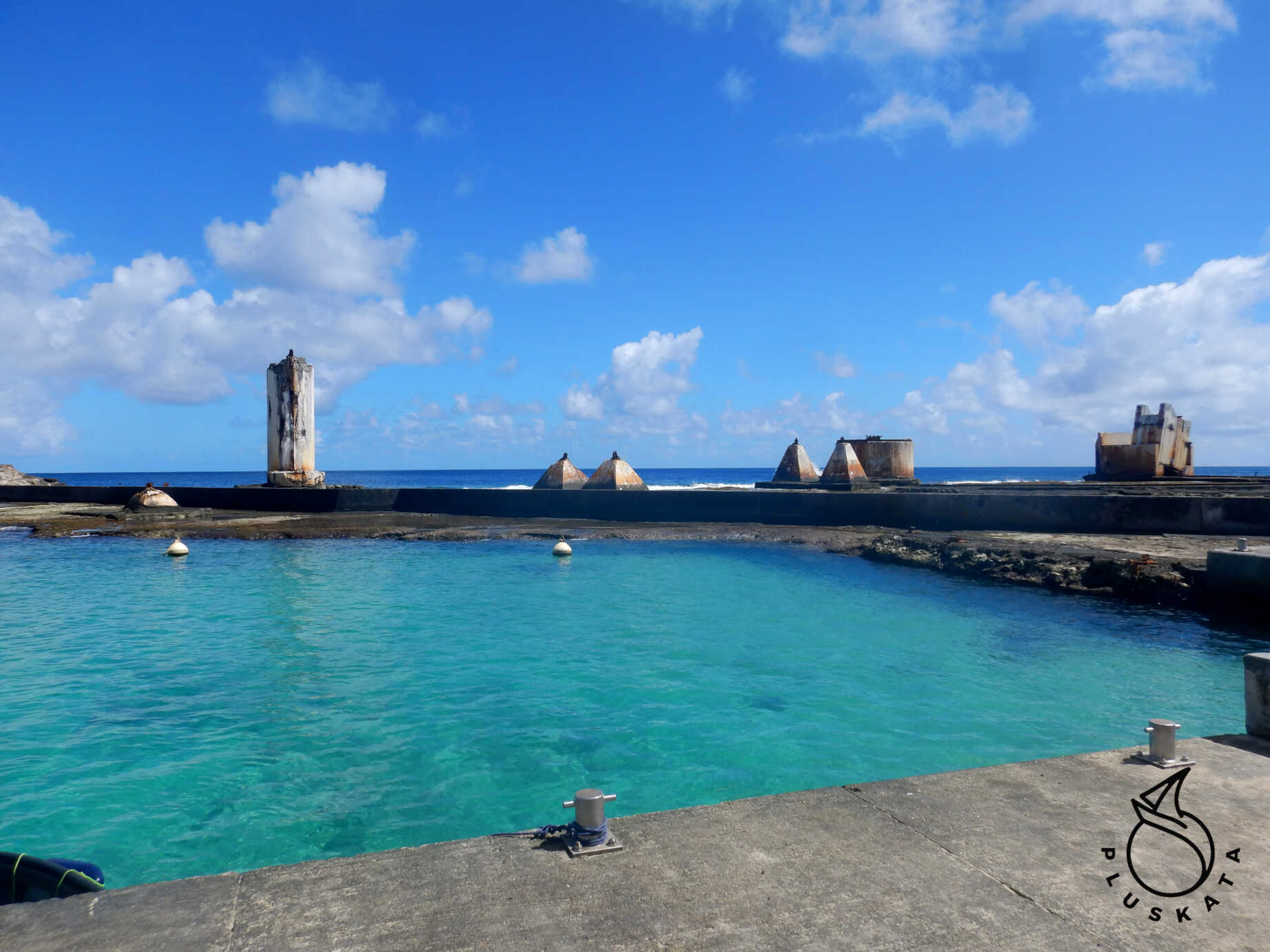
Makatea
Another attempt to explore the island, this time successfully. The wind is weakening and blowing from the east, and there are no waves at the harbor entrance.
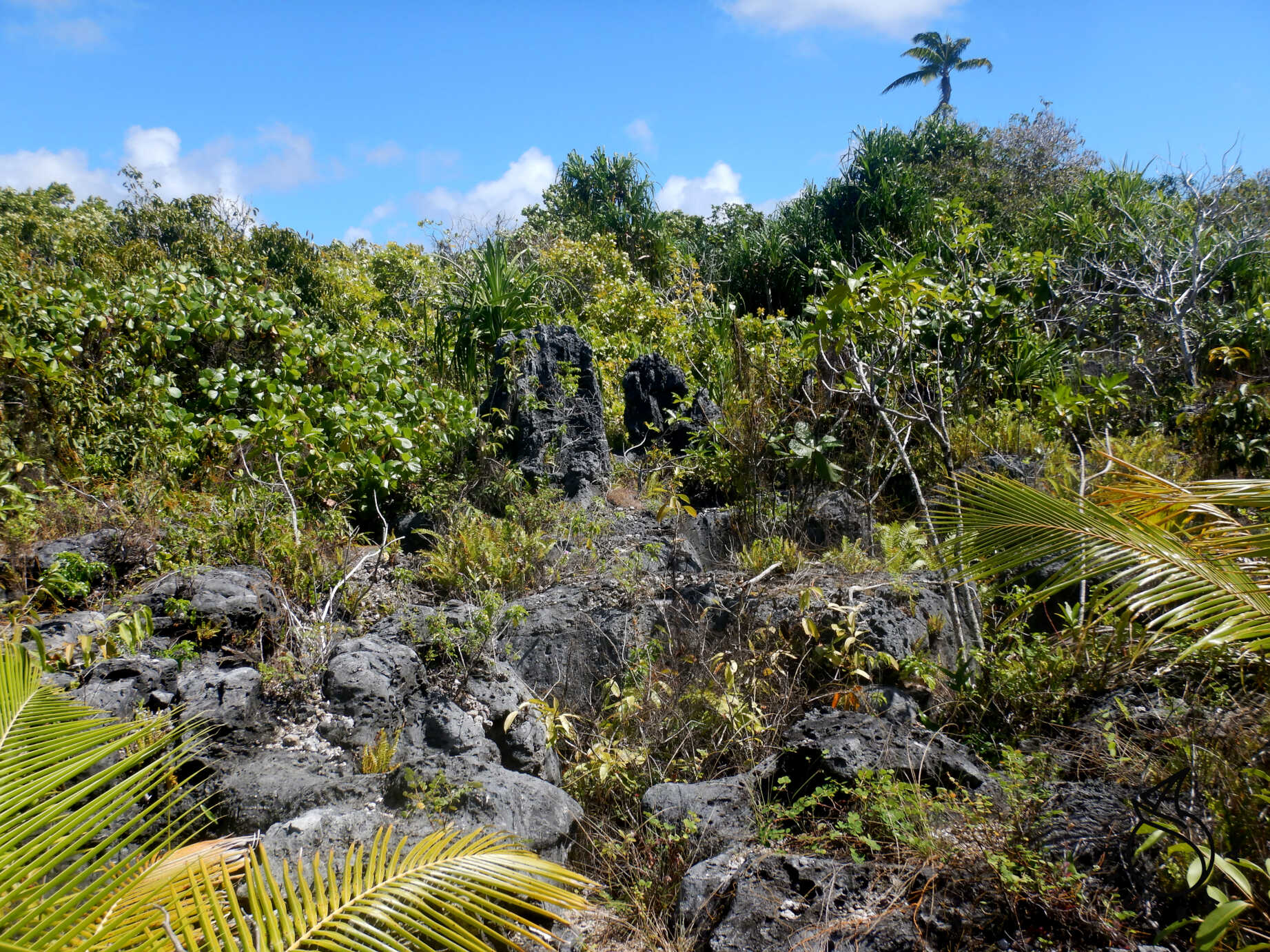
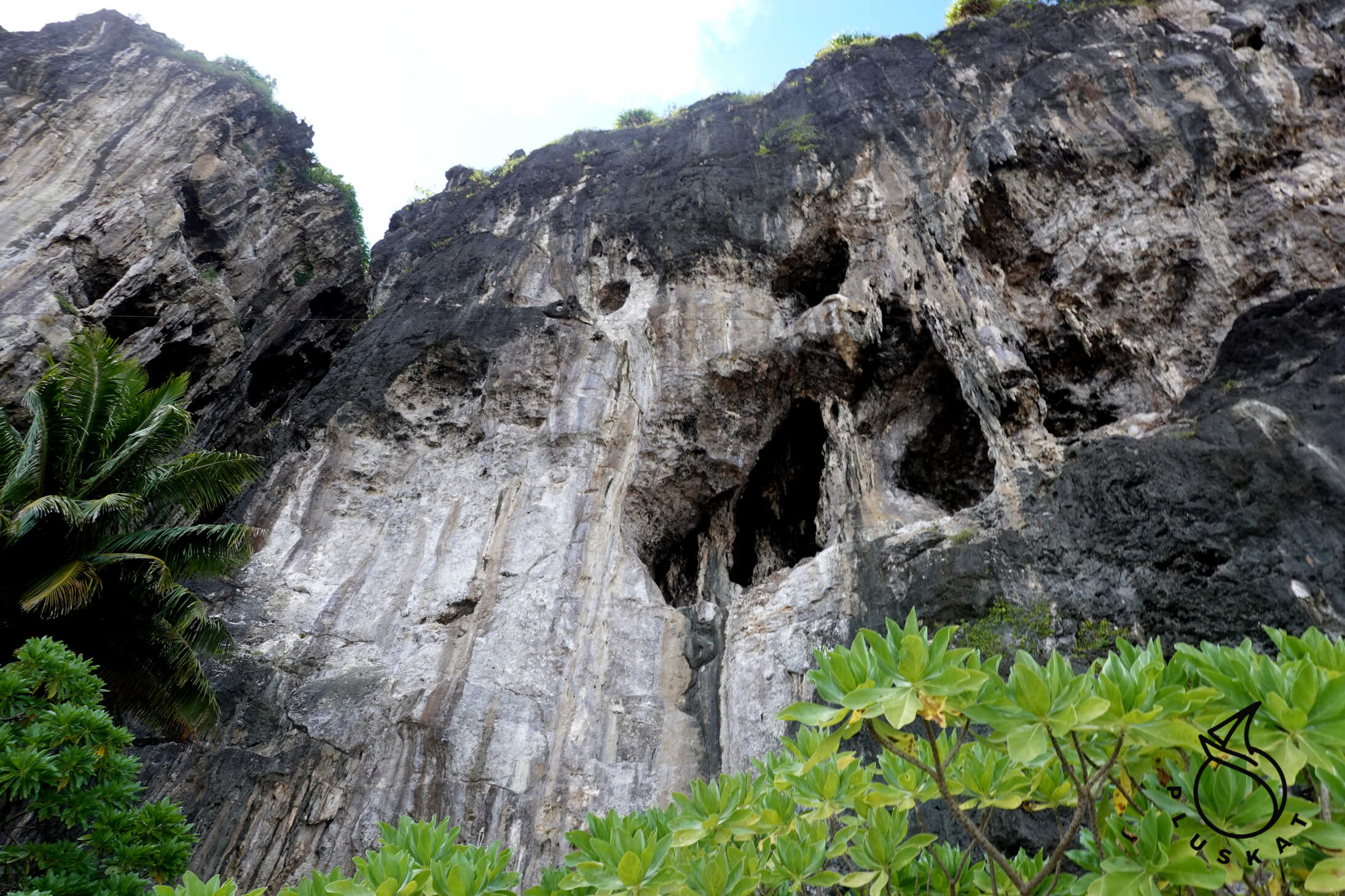
There are only three islands in the world like Makatea. Originally an atoll, it was raised by a hundred meters when the island of Tahiti was formed.
This type of geological formation gave this island its name. Makatea is also the highest island on Makatea. There is no protective lagoon here, only a coral reef that drops off steeply.
Makatea was a phosphate mining site from 1906 to 1966. This was the island’s golden age.
Exploring the Island
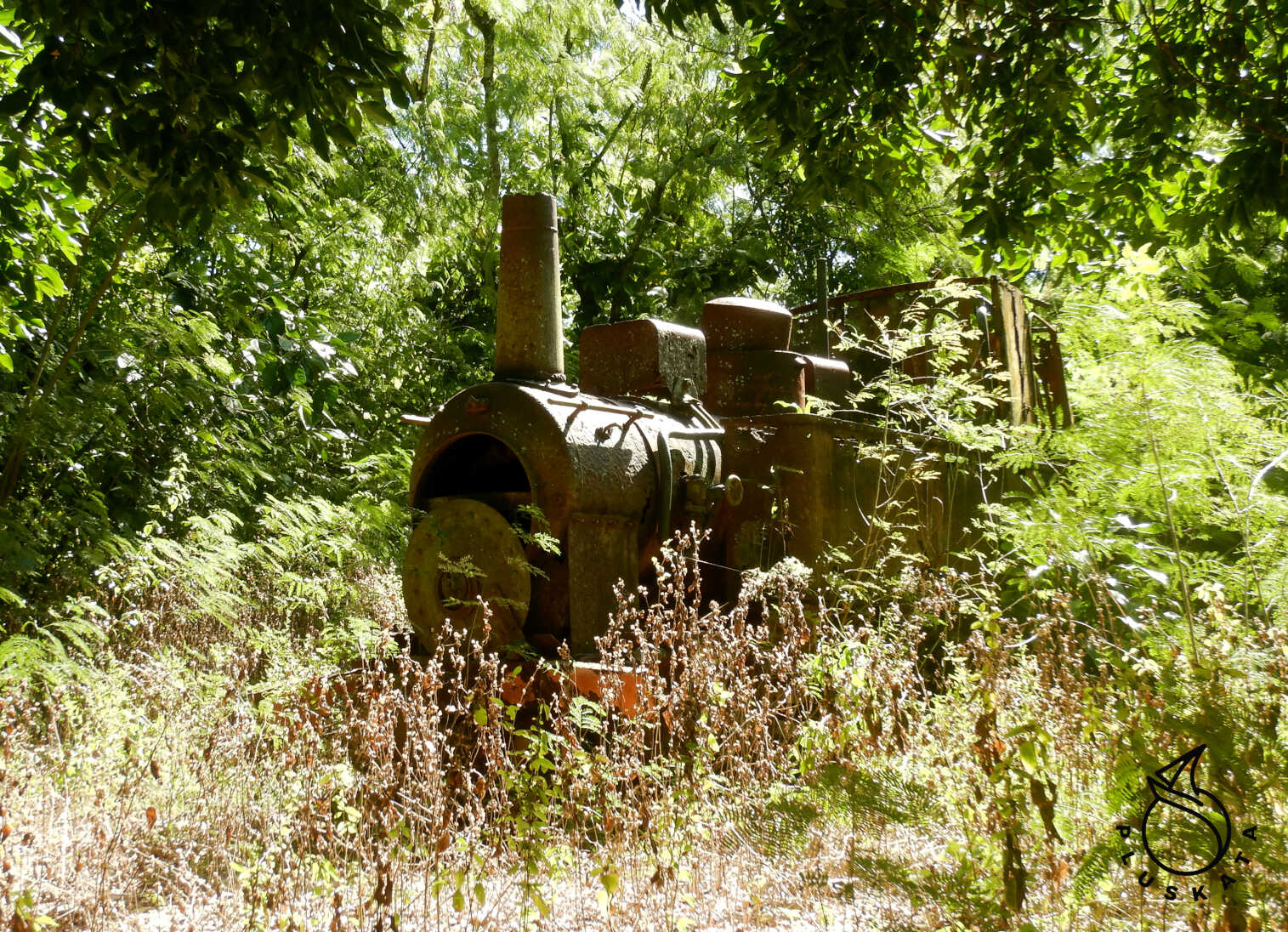
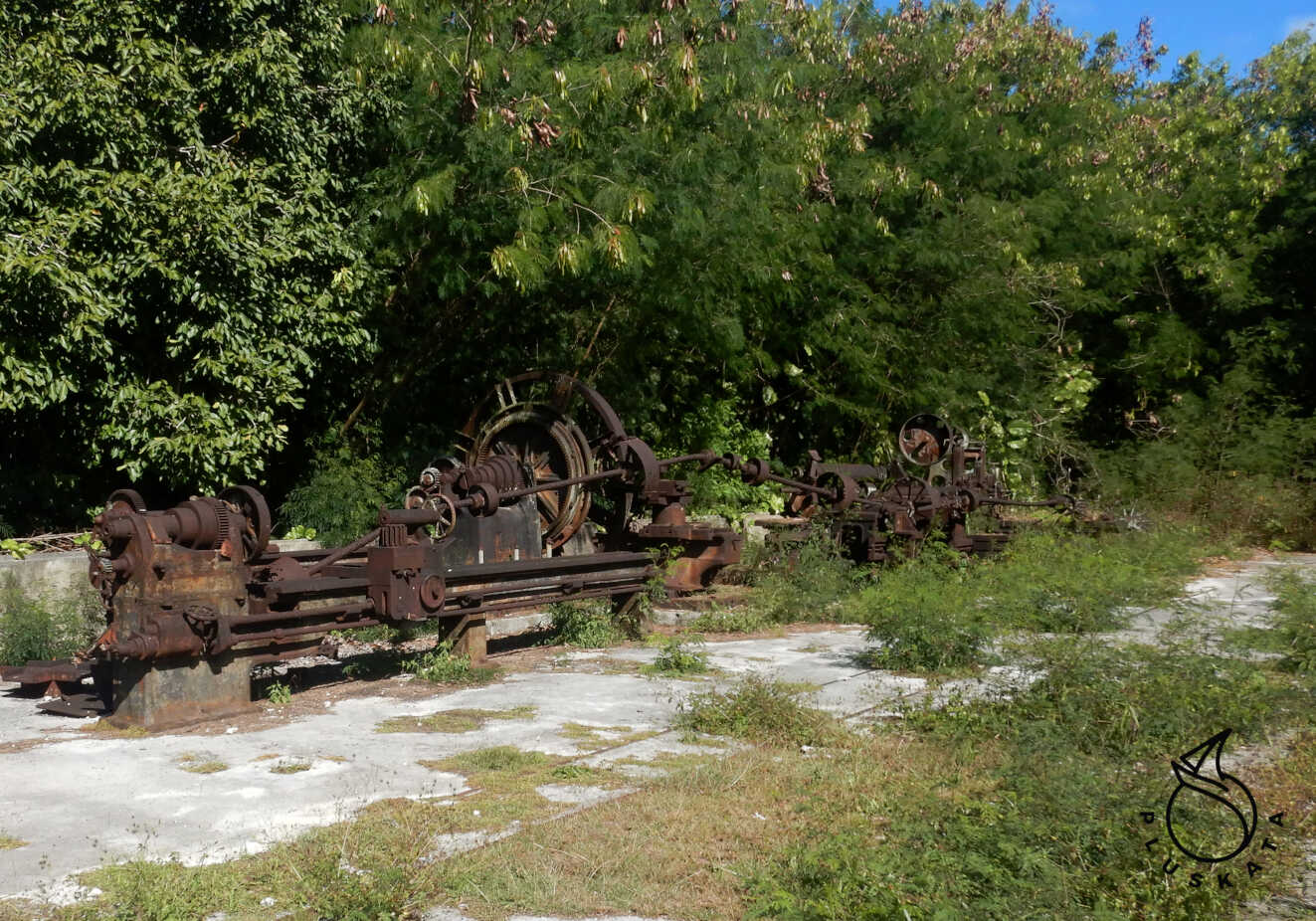
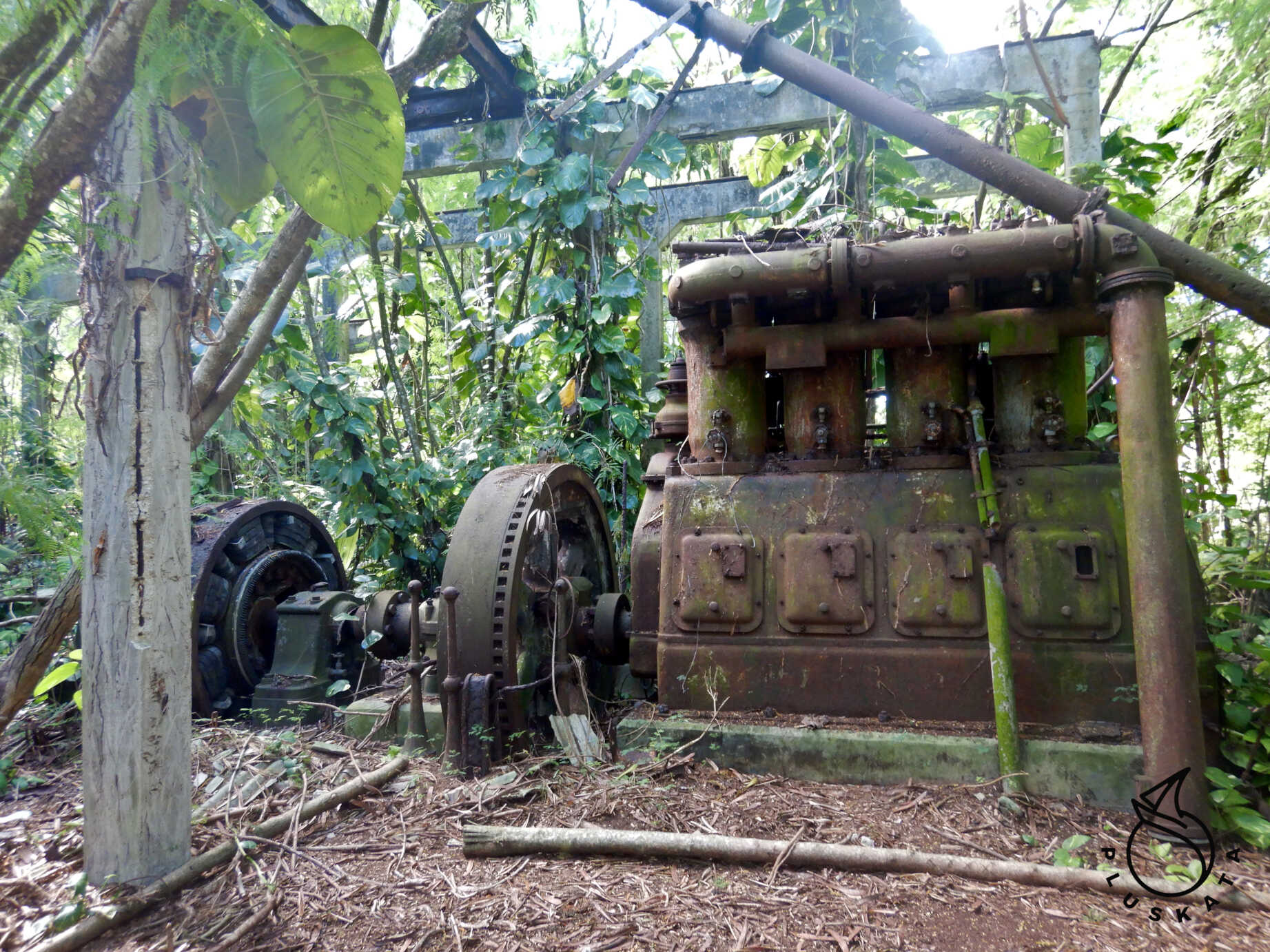
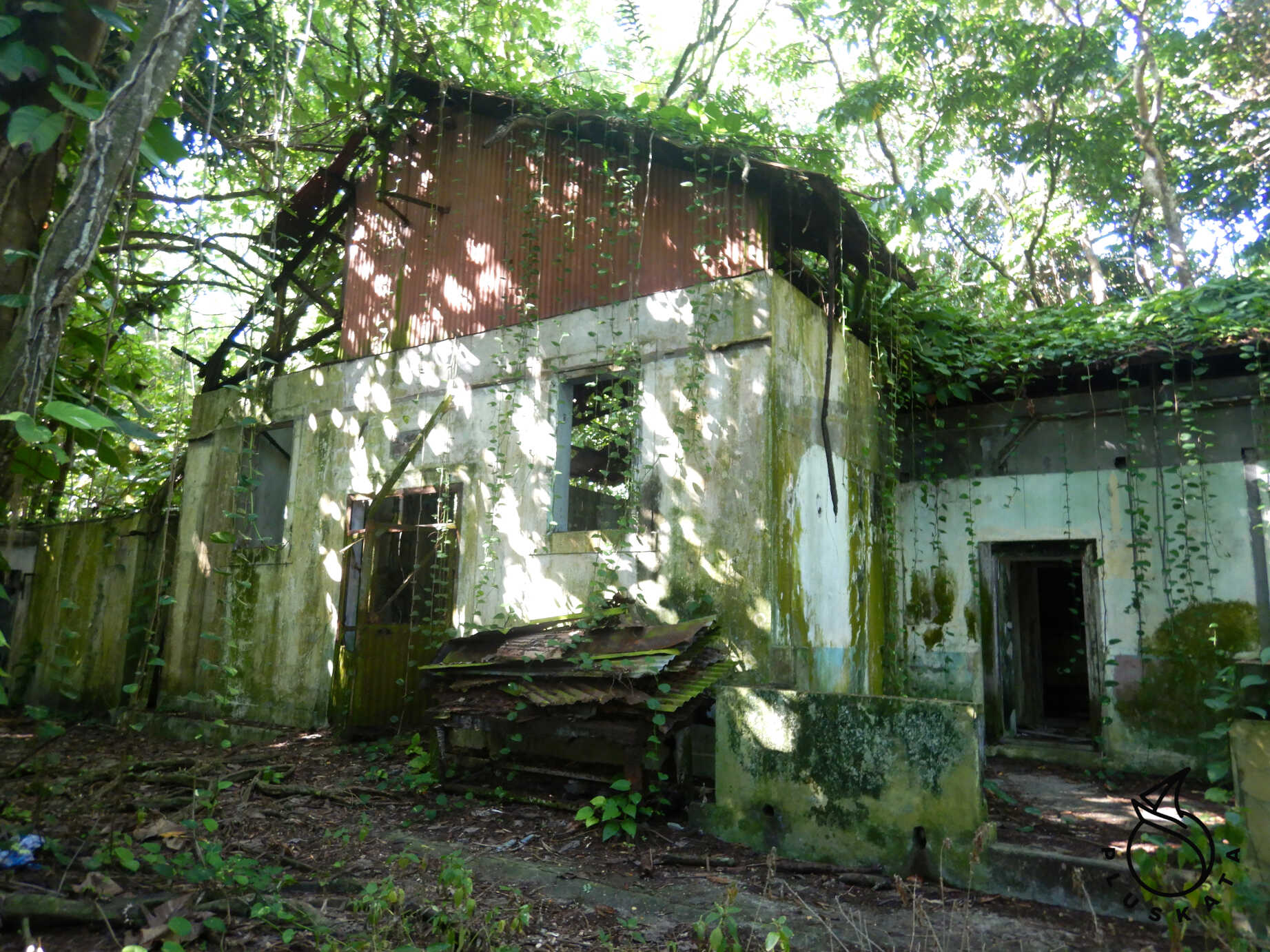
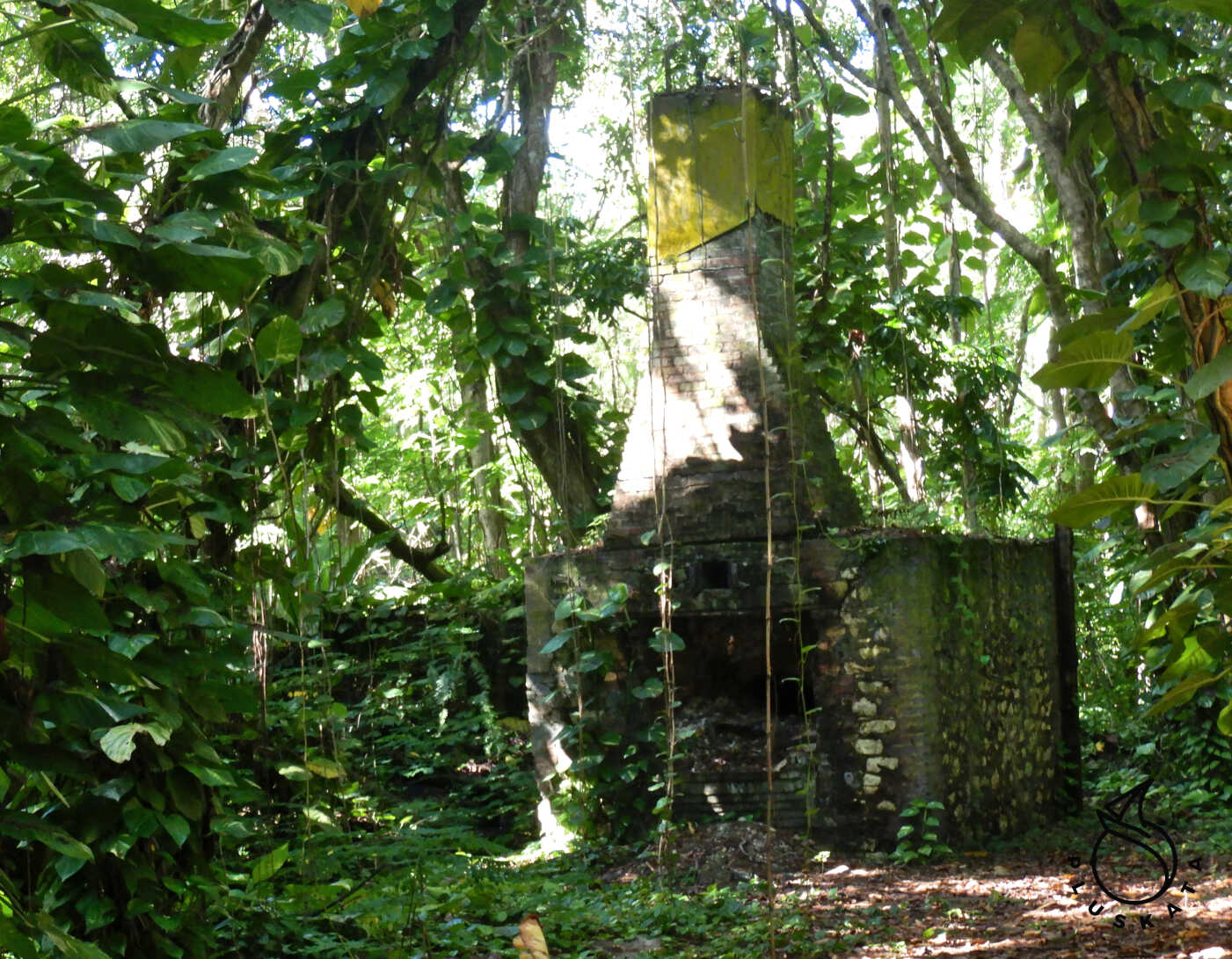
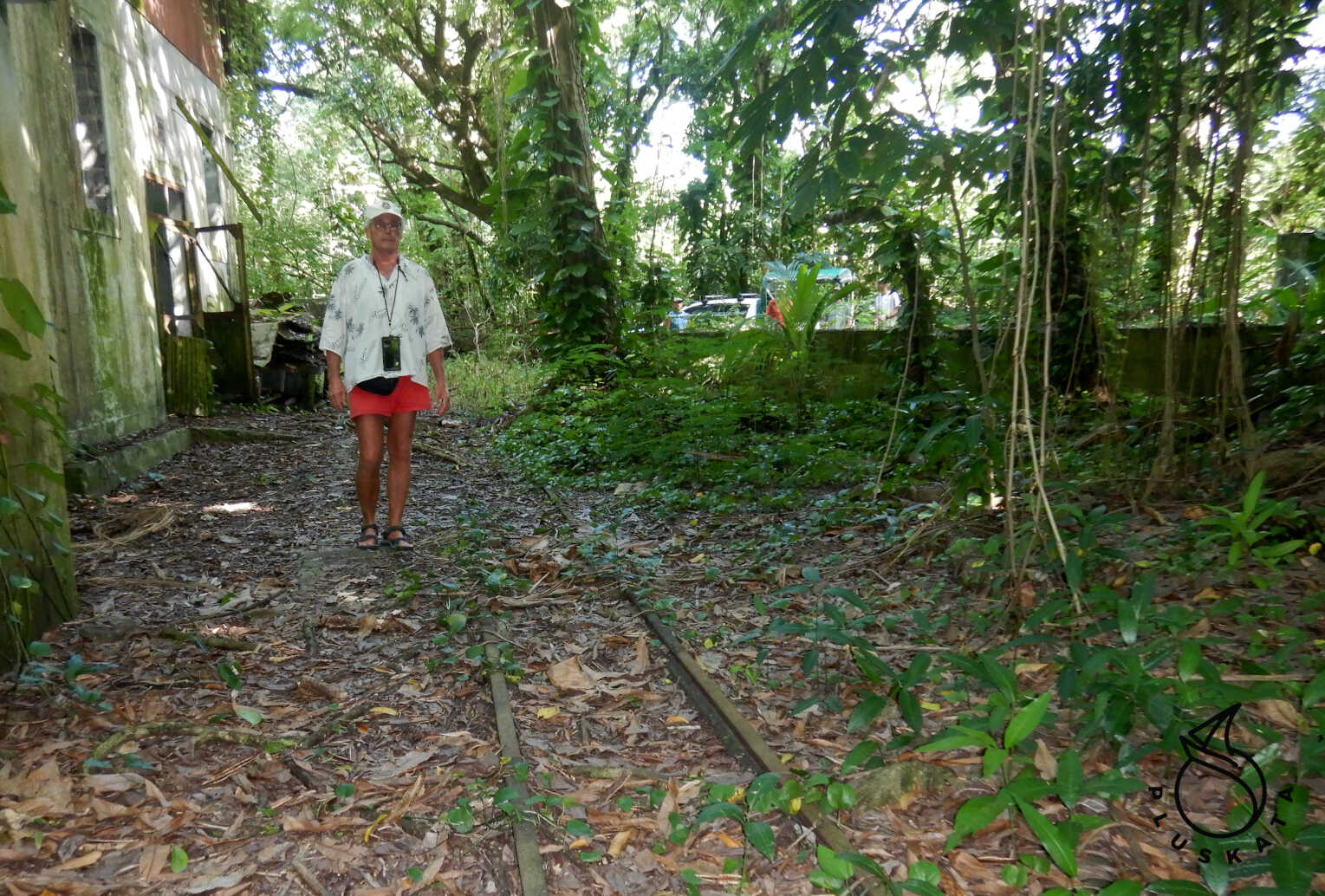
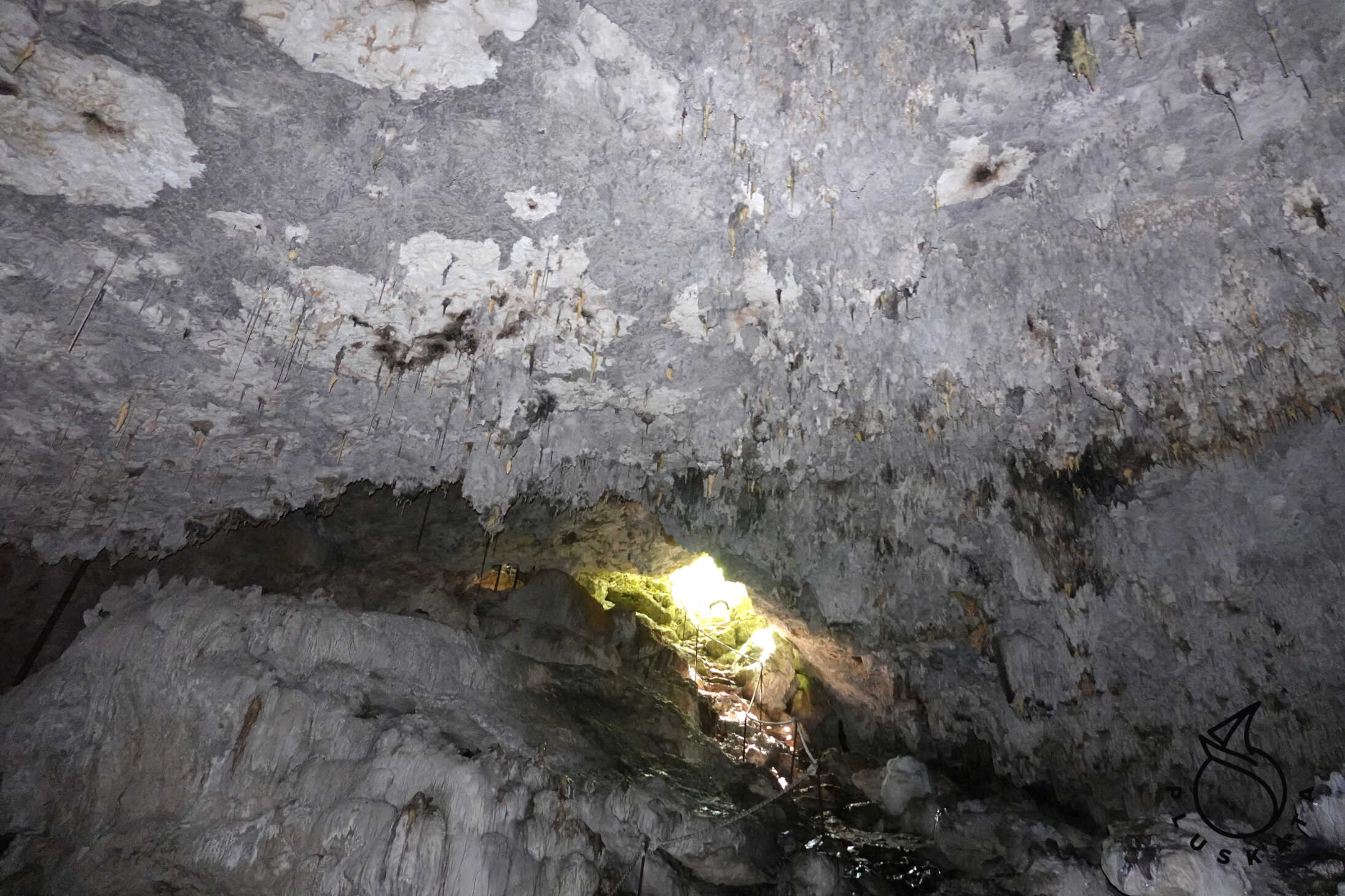
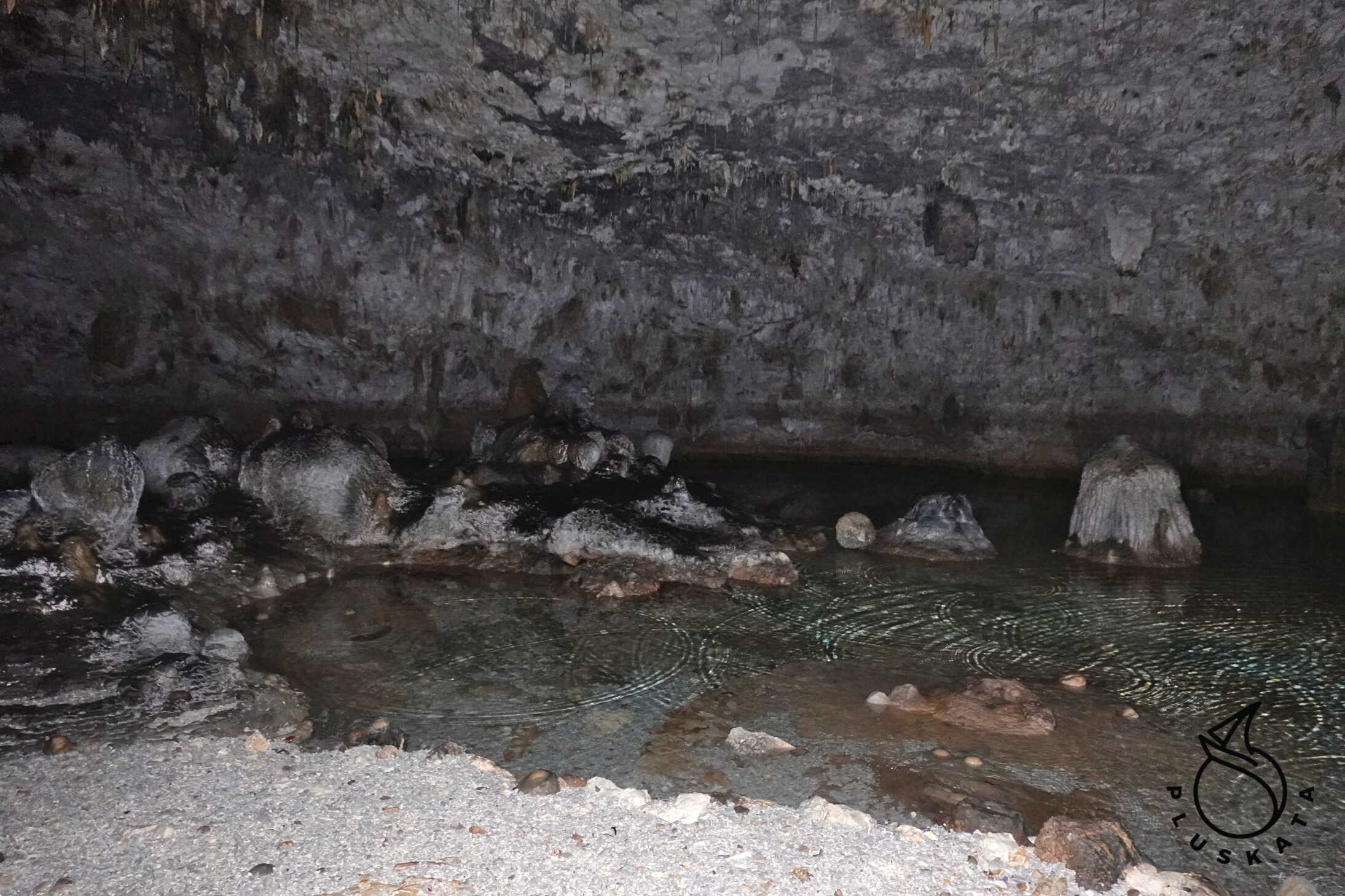
We arrange a tour with Tapu (+689 87715205). It was originally scheduled for 1 p.m., but it turns out that people are coming from Rangiroa to swim in the cave, so Tapu reschedules the tour to 11 a.m. We drive a 4×4 to the eastern end of the island. We stop at a viewpoint on the clifftop along the way and then descend into the cave. There’s no natural or artificial light in the cave—everyone uses flashlights. The cave is enormous, with numerous formations in various shapes and colors. We enter the crystal-clear freshwater and swim, lighting our way with flashlights. It’s wonderful. The cave is about 150 meters long and of unknown depth—no one has reached the bottom. We swim under low-hanging stalactites, avoid underwater stalagmites, and enjoy the cool (but not cold) water. After leaving the cave, we stop at a shop with a few cans, a fridge full of drinks, and onions. The supply ship won’t arrive until Saturday. We leave some of the people at the guesthouse and return to the dock, where the rest of the team boards a boat for the return to Rangiroa. We continue our exploration of the island. We go to the guesthouse near Tapu’s house and watch a film from the era of phosphate mining on Makatea. Back then, the island had two cinemas, soccer, basketball, and baseball fields, several teams, a hospital, a huge power plant, the only train in French Polynesia, and repair shops. All of this is now overgrown with jungle and rusty, but it’s still impressive. We also visit phosphate warehouses, a drying kiln, the remains of a conveyor belt, a butcher’s shop, and a bakery with a huge bread oven. All of this is now dilapidated, but bears traces of its former glory. We also visit the modern power plant that supplies electricity to the entire island – it’s mainly solar panels, but there’s also a generator that works on cloudy days.
The trip costs 5000 XPF per person.
Via Ferrata
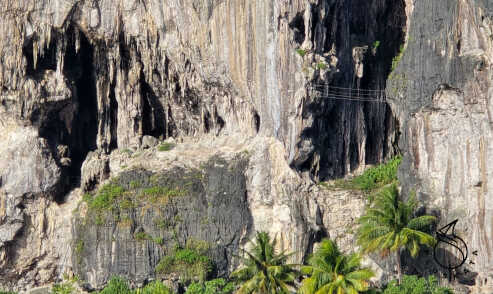
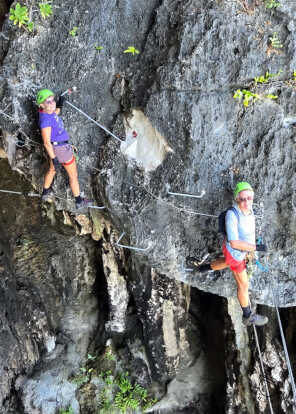
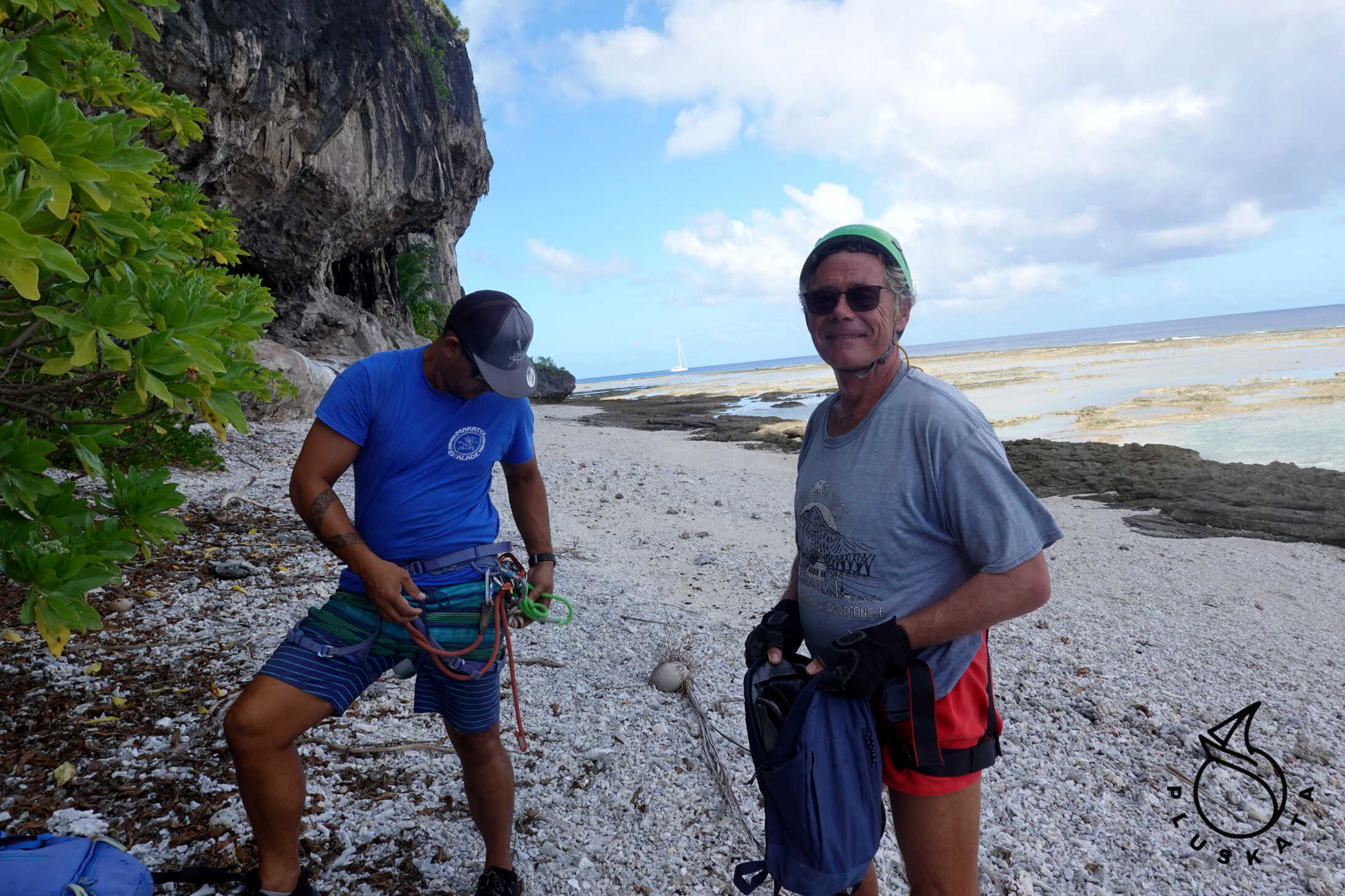
The next day, we arrange to meet Tapu for the Via Ferrata. He provides the equipment (harnesses, helmets, and gloves). We set off at 9:15 a.m. First, we tackle a more challenging route. The harnesses have two ropes that we attach to a safety rope. The route is very well-prepared, with hand and foot restraints throughout, several crossings over a gorge into a large cave, and at the end, a zipline descent. The entire route takes us 1.5 hours. The views are stunning. We take another route – shorter and considered easier. This time, Tapu stays at the bottom and takes photos. We cross the ridge to the eastern cliff – there’s a bench on the route where you can sit and admire the view. Then we climb up again, and the final section is a rock labyrinth made of eroded limestone. Finally, we go for a swim in a cave and return to the port.
Toau
Blind Pass
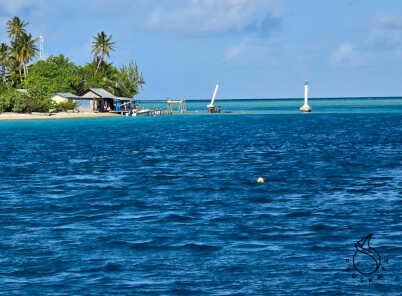
We stop at a buoy in the blind pass. The buoy is well-maintained. We counted a total of nine buoys. When we arrived around 11:30, four of them were already occupied, and a large sailing yacht was anchored in the middle. Two more yachts arrived in the evening.
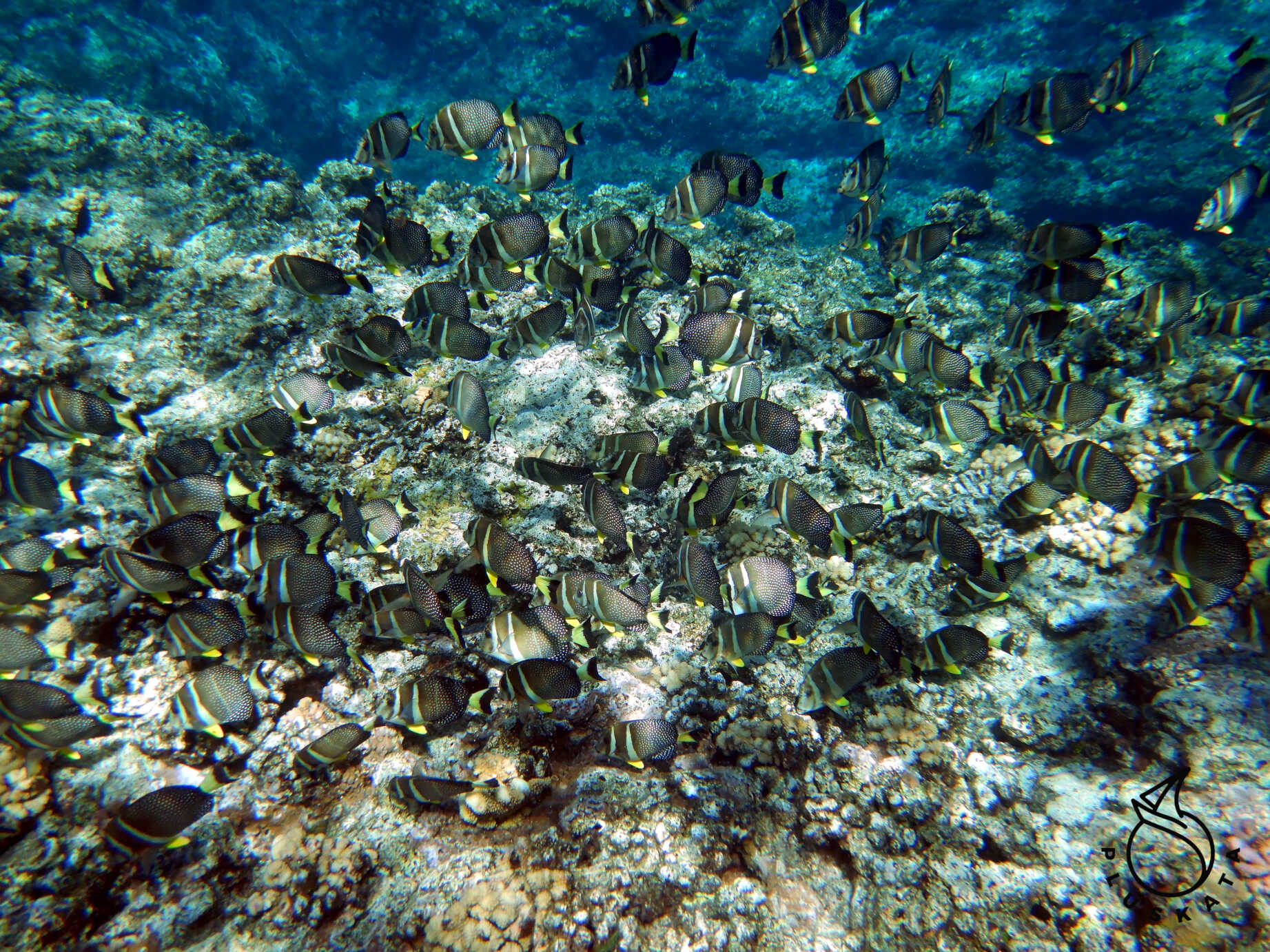
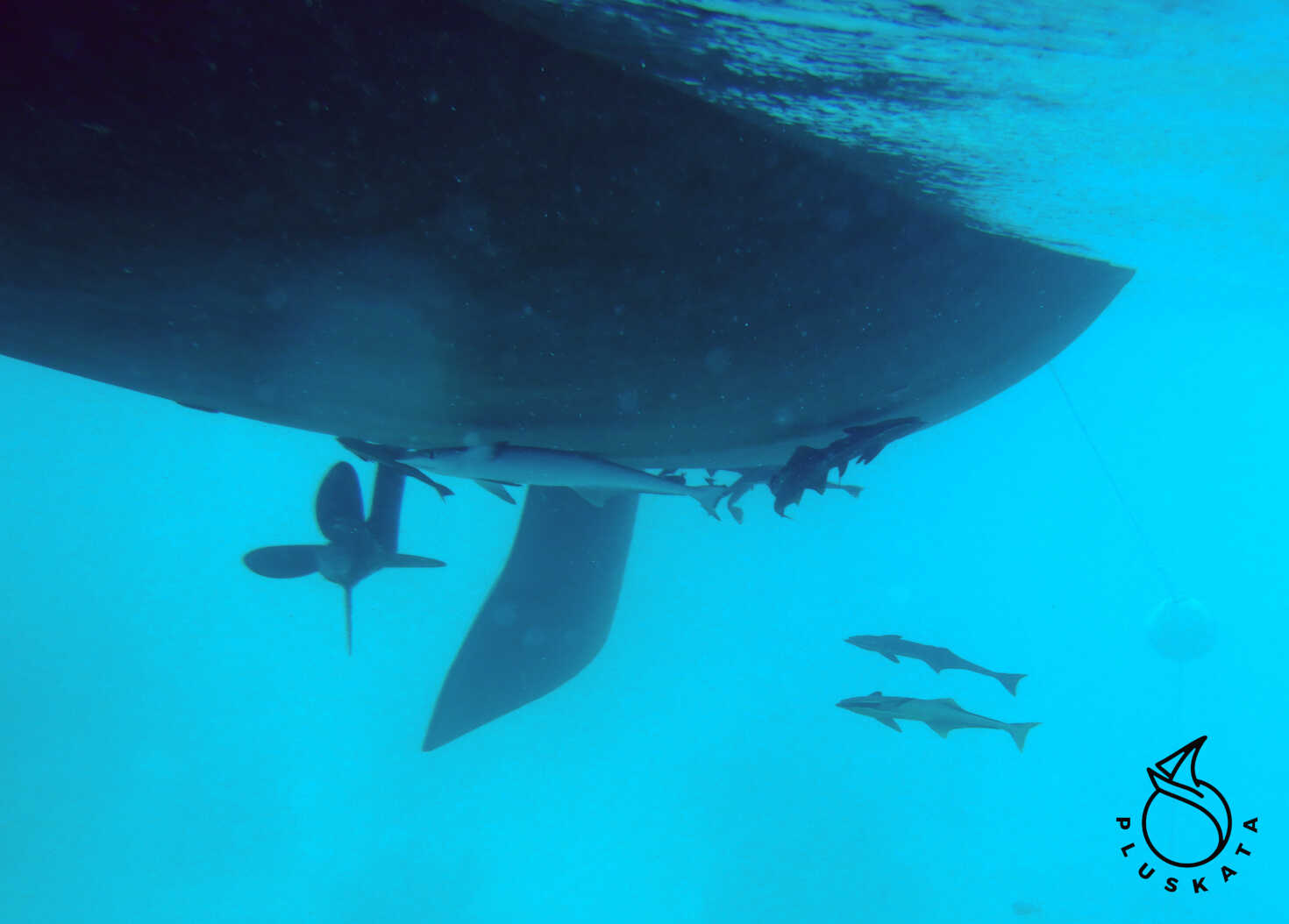
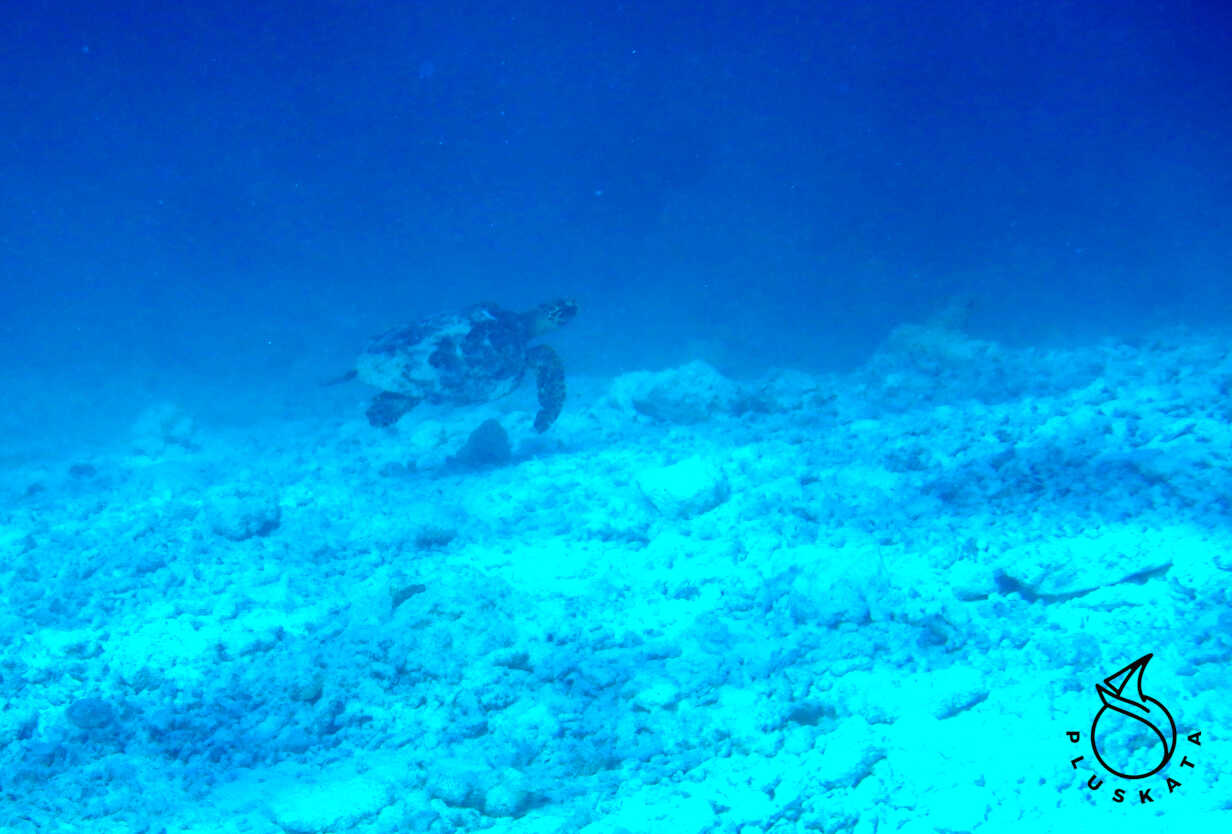
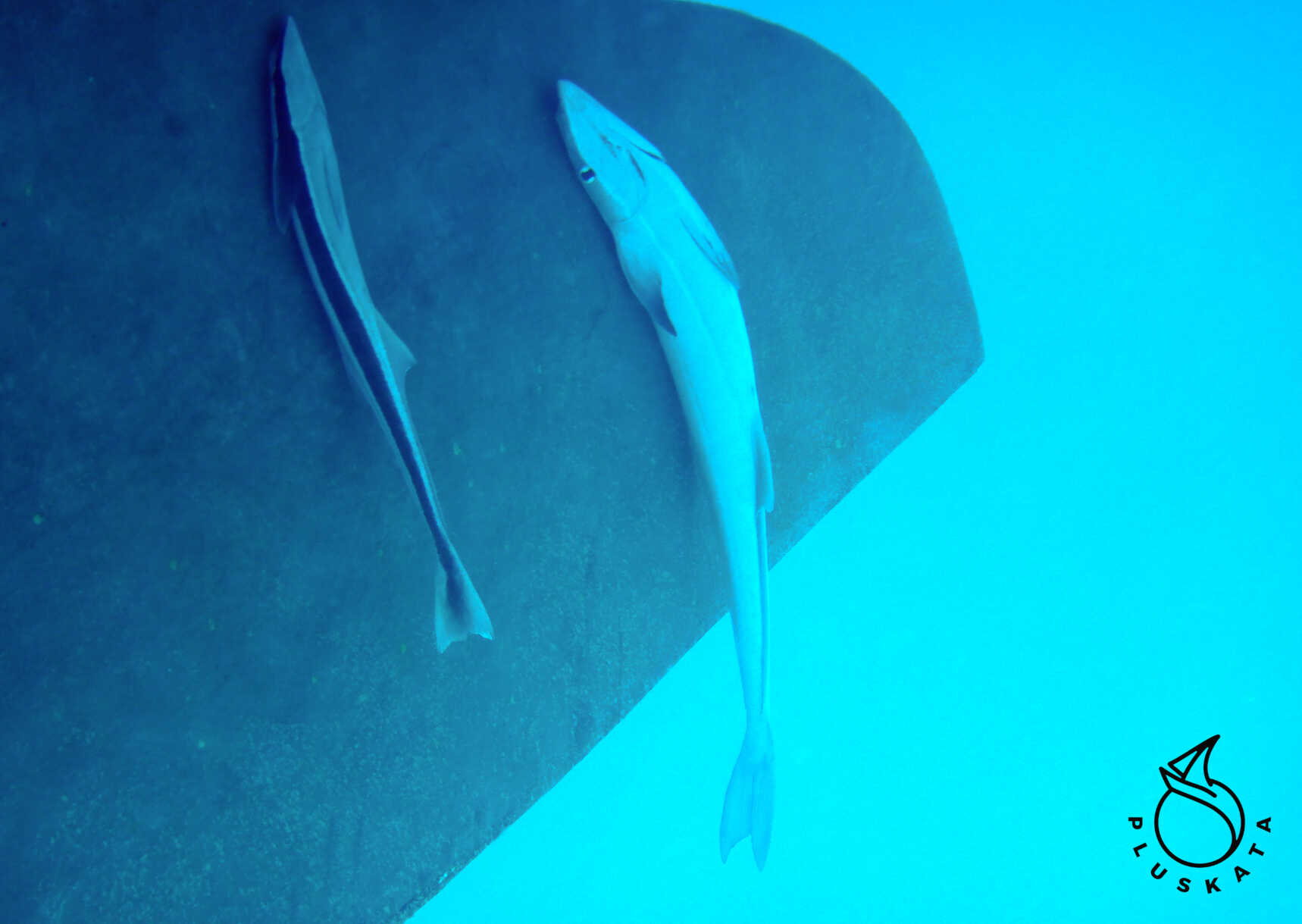
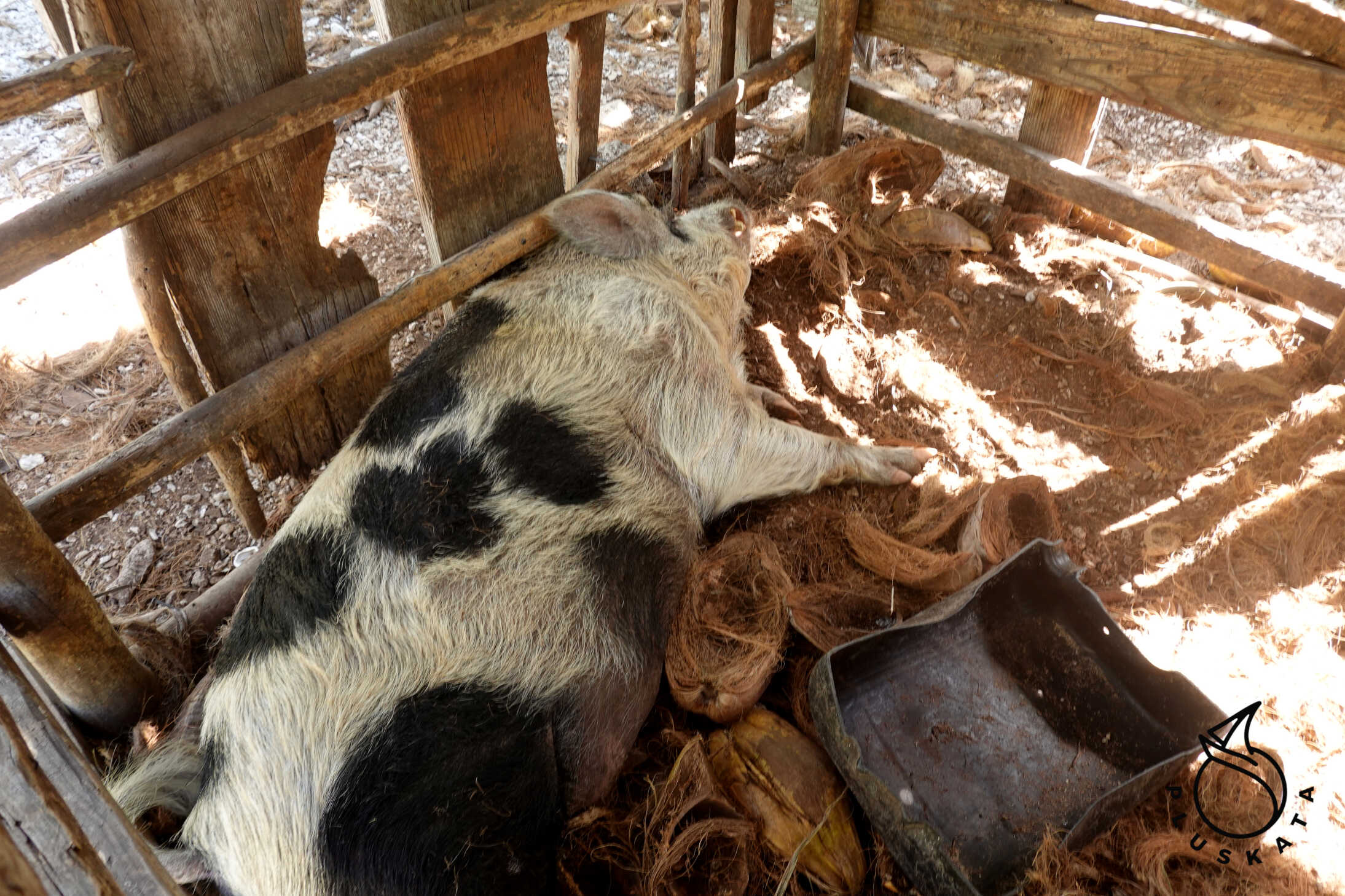
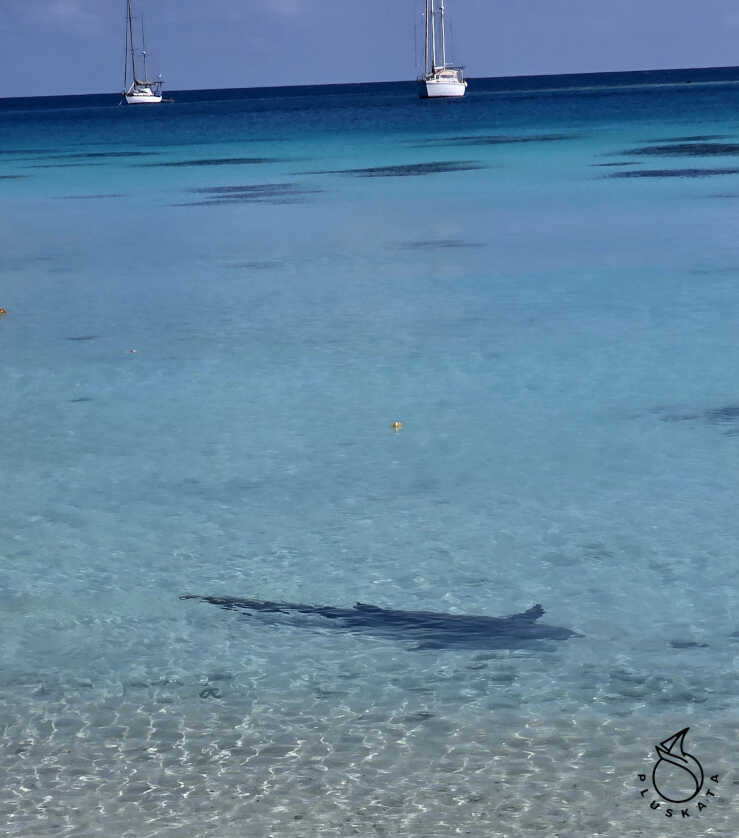
The next day, everyone left, leaving us alone. After breakfast, we went snorkeling – it turned out there was a whole school of fish under the yacht, waiting for something to fall off the boat. We continued our journey and encountered a shark (this time quite large), a turtle, and many other fish. The reef is largely destroyed, but there are plenty of fish. After snorkeling, we return to the yacht, grab a bite to eat, and head ashore to Valentine and Gaston. We pay them for the buoy (500 XPF per day), chat a bit, and then explore their property. They raise two pigs (one is pregnant), chickens and roosters, bees, and their plants produce coconuts and bredfruit. They also have a few cottages for rent (we meet three Frenchmen there). After visiting the locals, we sail to a neighboring uninhabited island and collect coconuts.
For the next two days, the wind is strong, but the buoy is strong and doesn’t budge.
Fakarava
The second largest atoll in French Polynesia. The entire atoll has been added to the UNESCO Biosphere Reserve list.
Rotoava Anchorage
A large anchorage, with plenty of sand, but also a lot of “bums” – you have to rig up the chain, but we’ve got some practice, so it’s quite easy, dropping anchor at 12 meters.
Municipal Fees
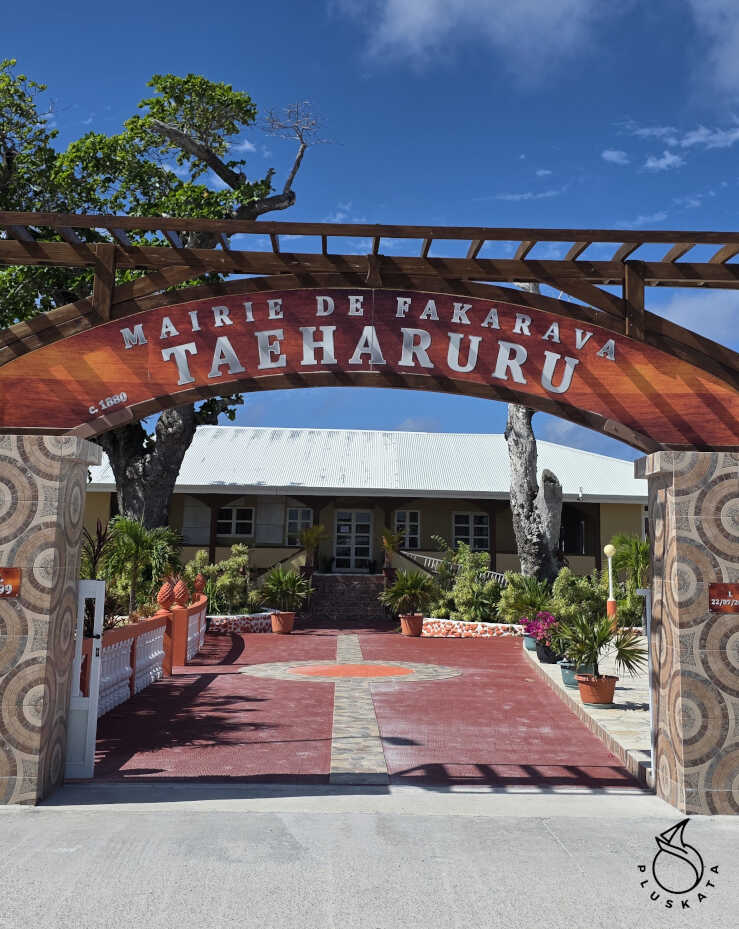
After launching the “torpedo boat,” we go to the municipal office to pay the tourist fee (60 XPF per person/day) and the garbage collection fee – 1000 XPF for the first week and 500 XPF for the second. The woman at the counter is very friendly. Payment is cash only. We pay for 10 days of stay – a total of 2700 XPF.
Lighthouse Tour
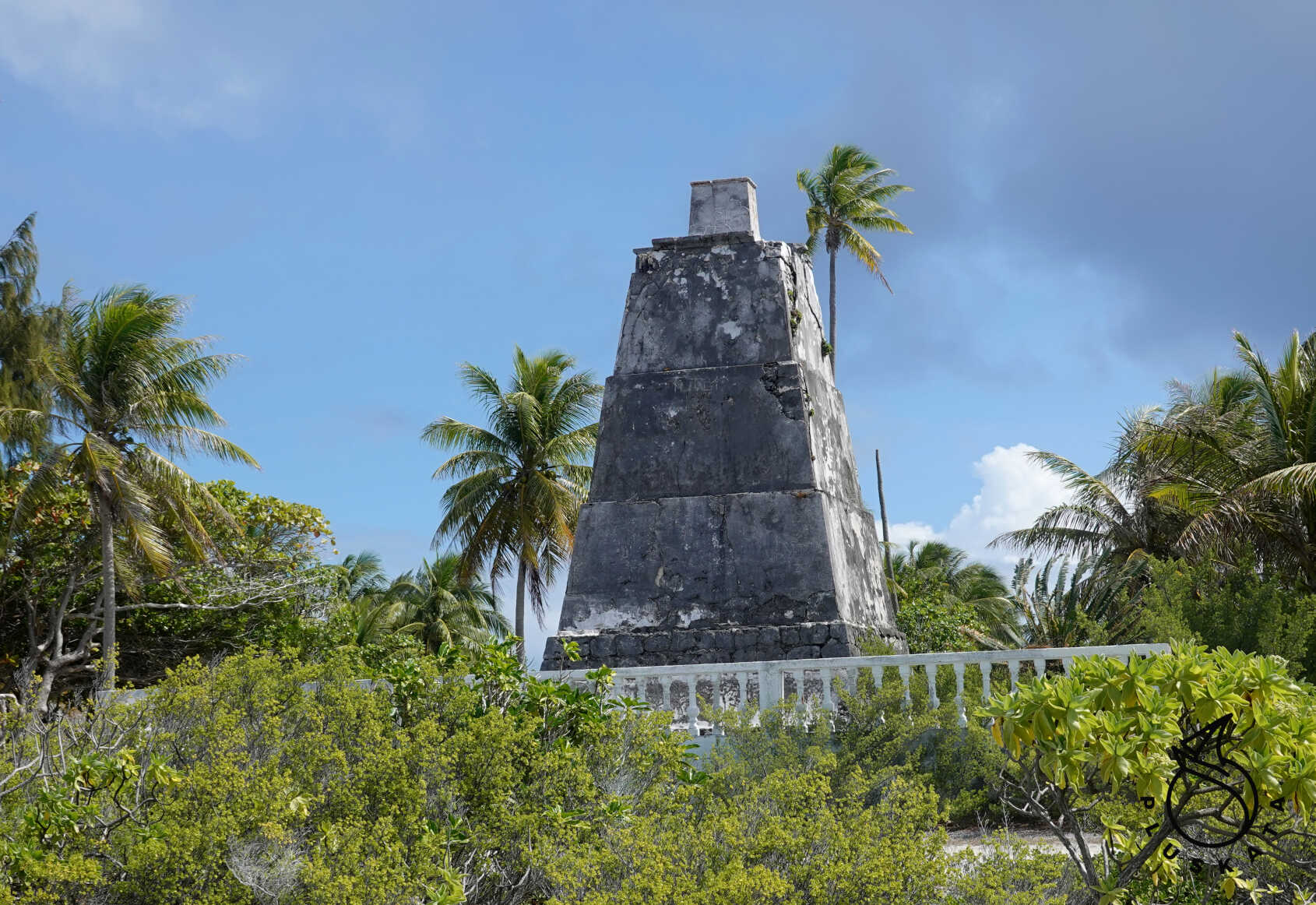
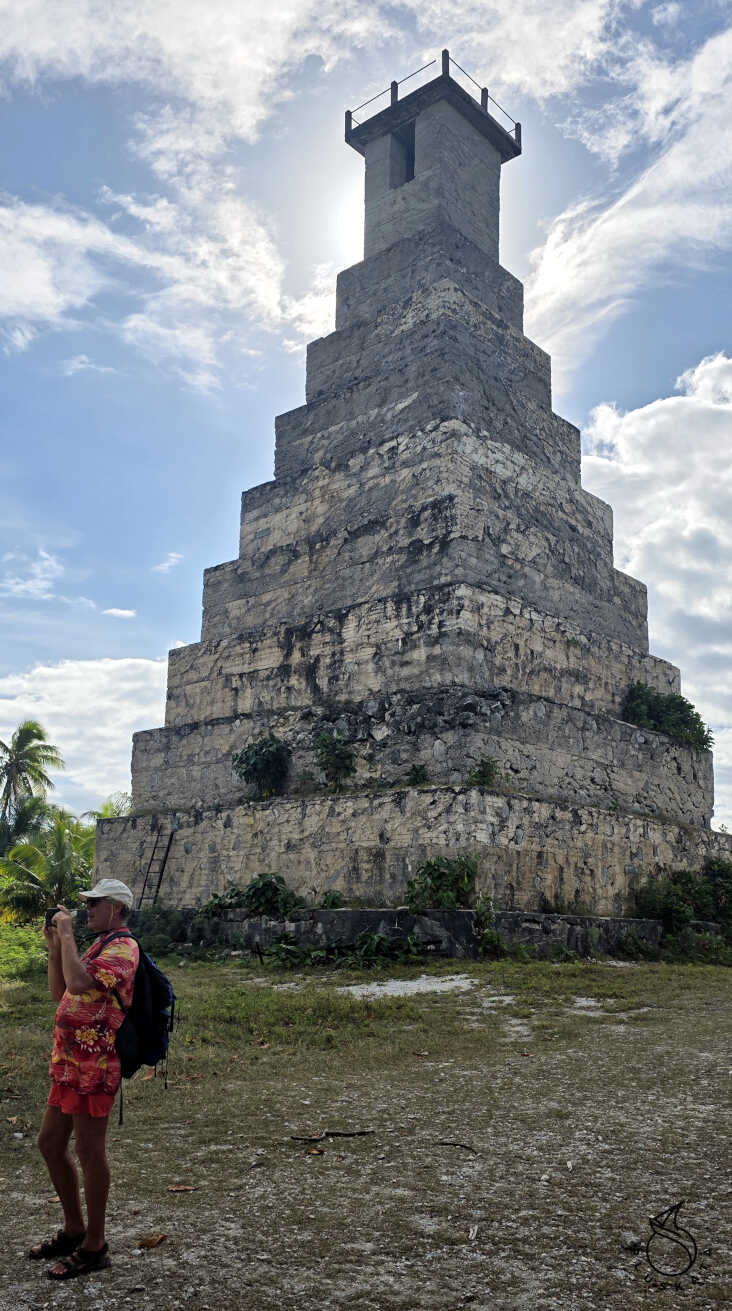
There are two historic lighthouses on the motu. The best-preserved is the Topeka Lighthouse on the northern part of the motu – about 4 km from the anchorage. It was built in the 1950s and is no longer used. It has a stepped structure that you can climb to the top.
The second lighthouse is closer to the dingy dock, but it is in poor condition and on private property, so it can only be admired from the sea. Diving in the Northern Pass
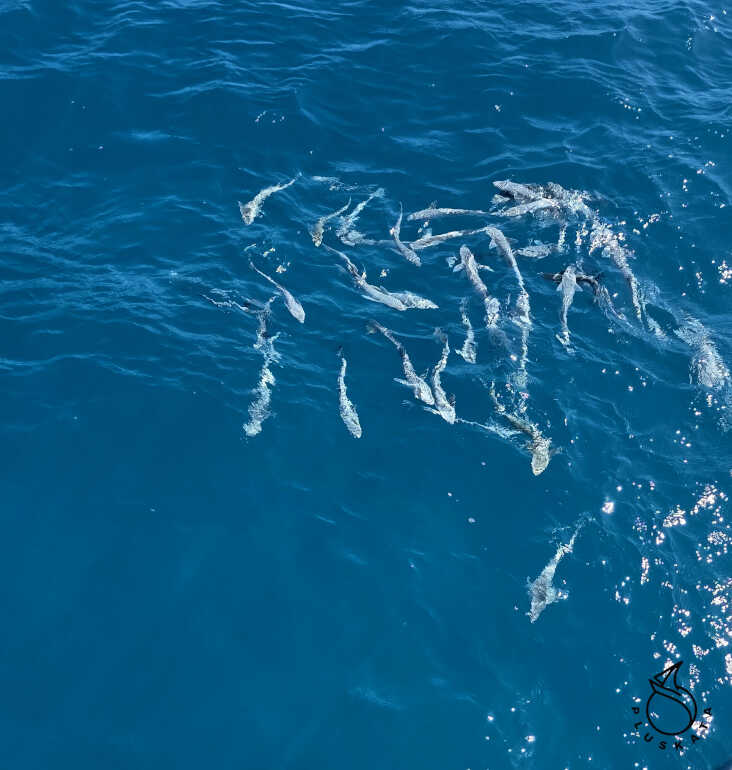
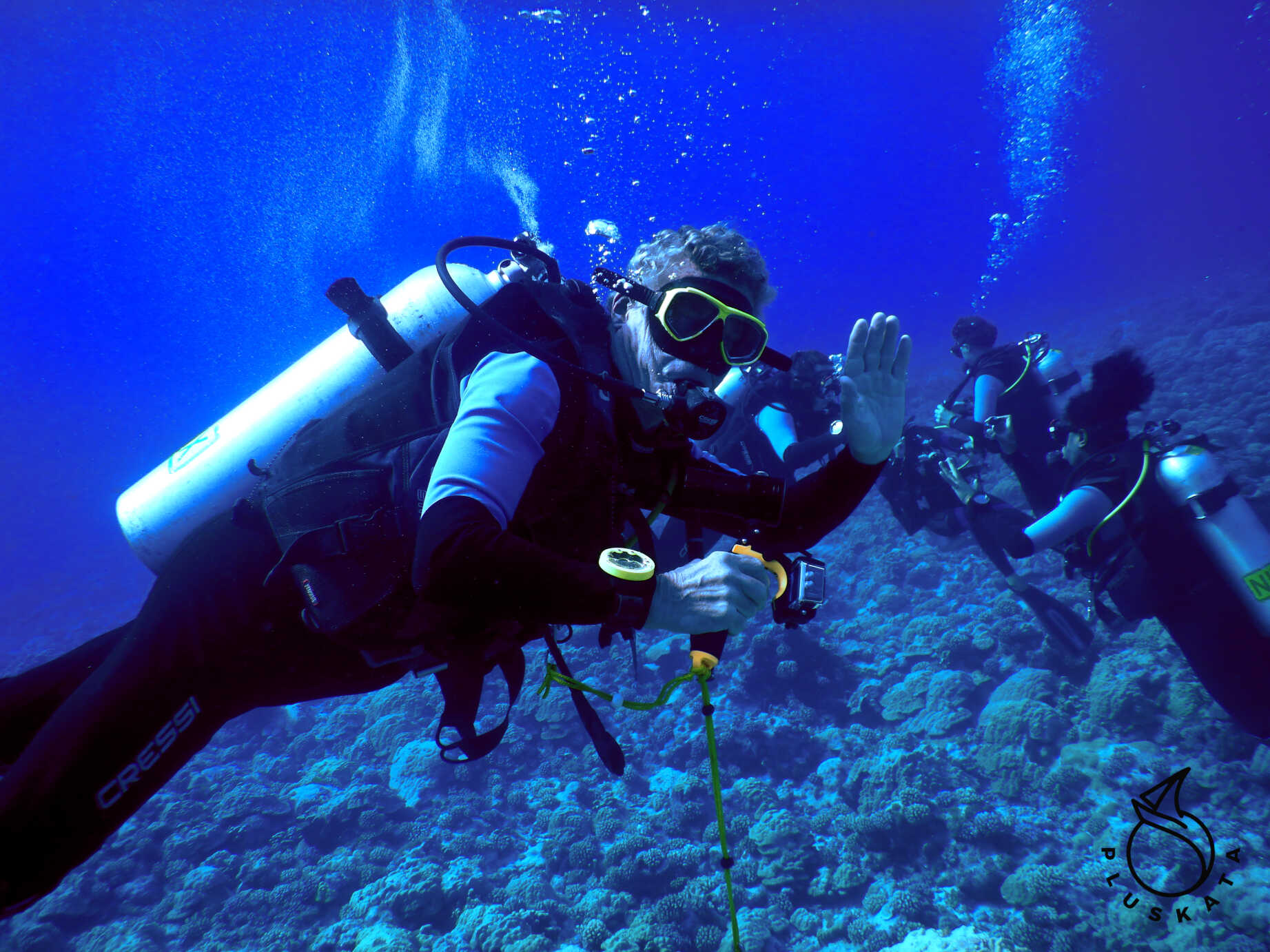
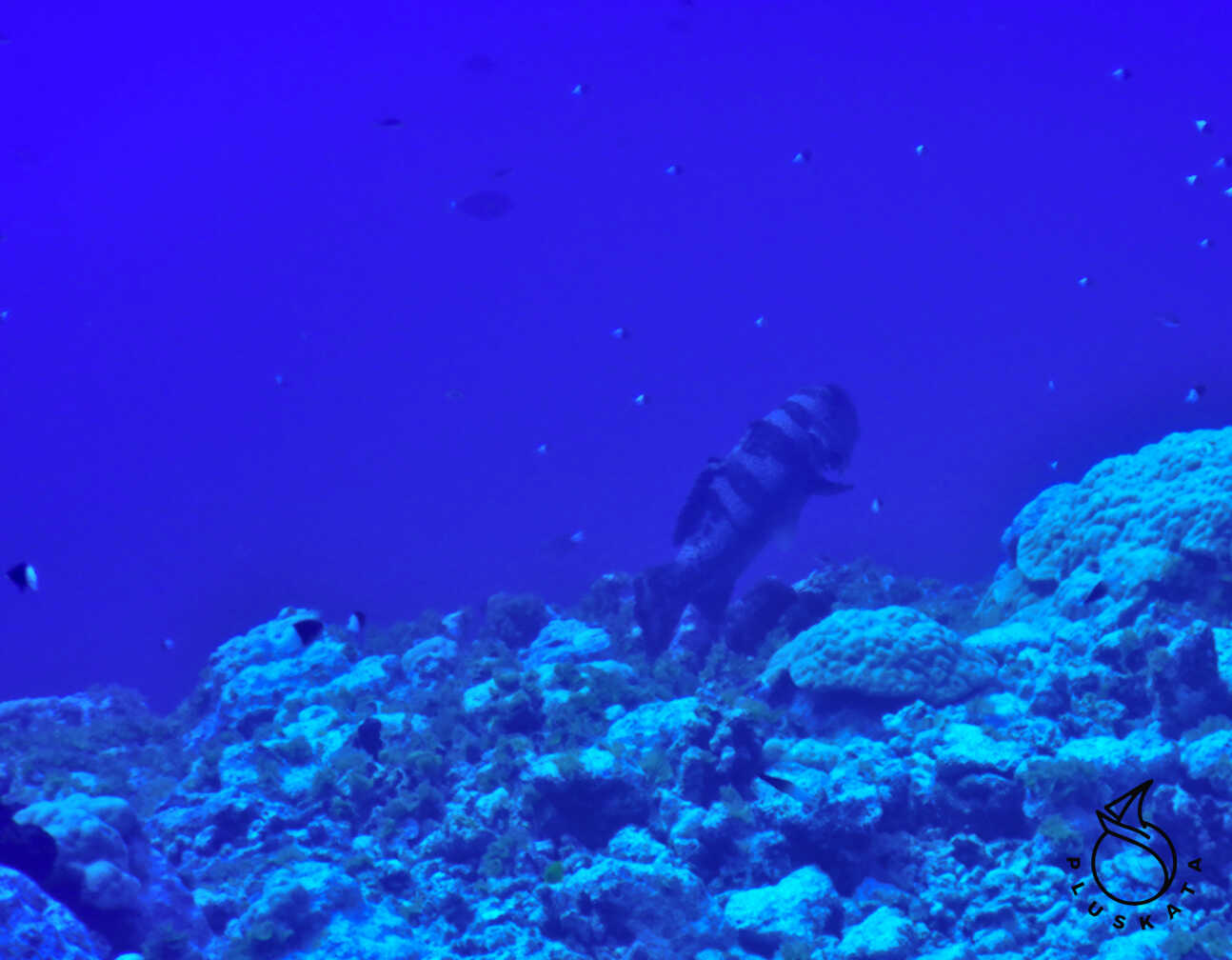
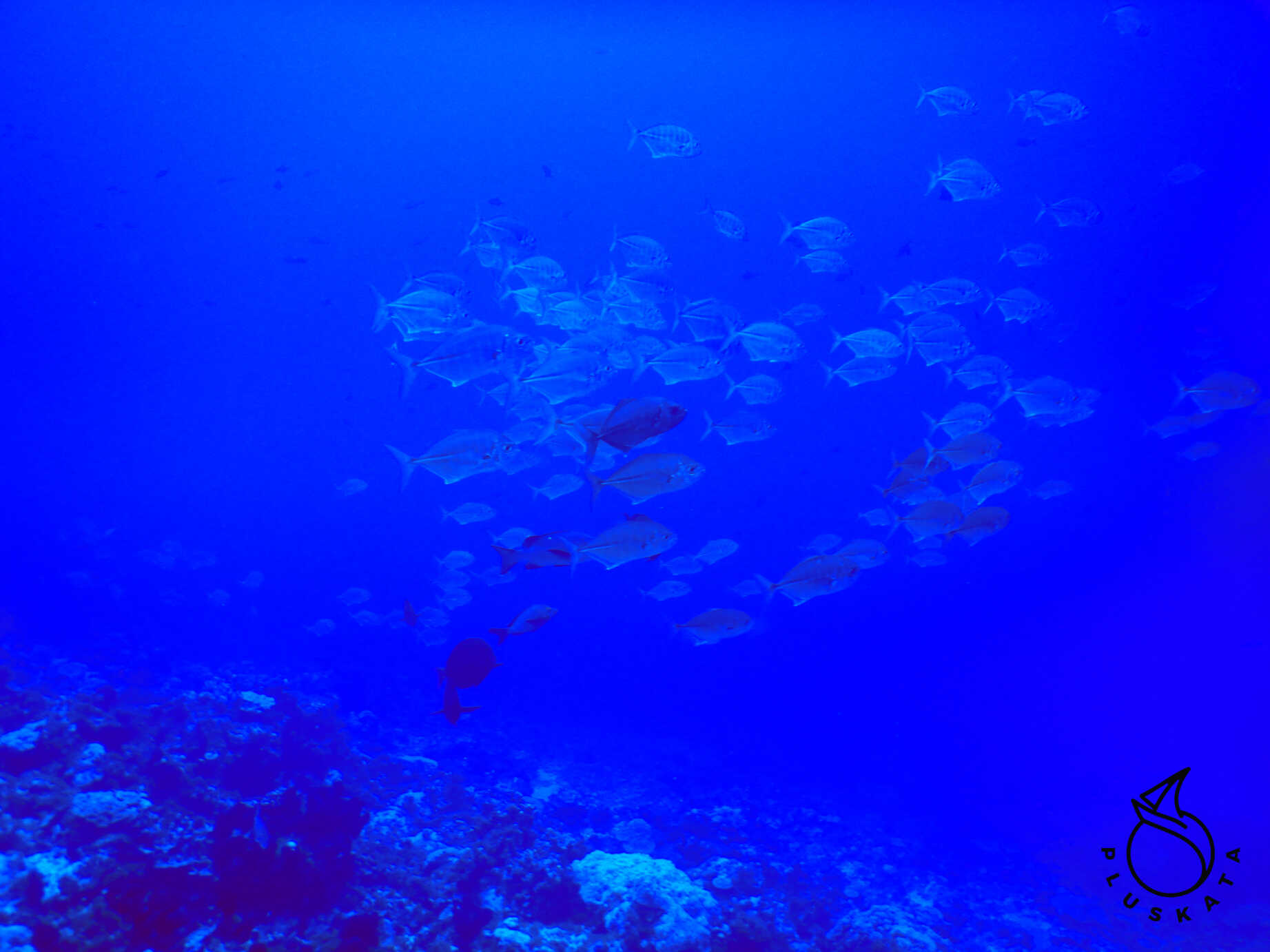
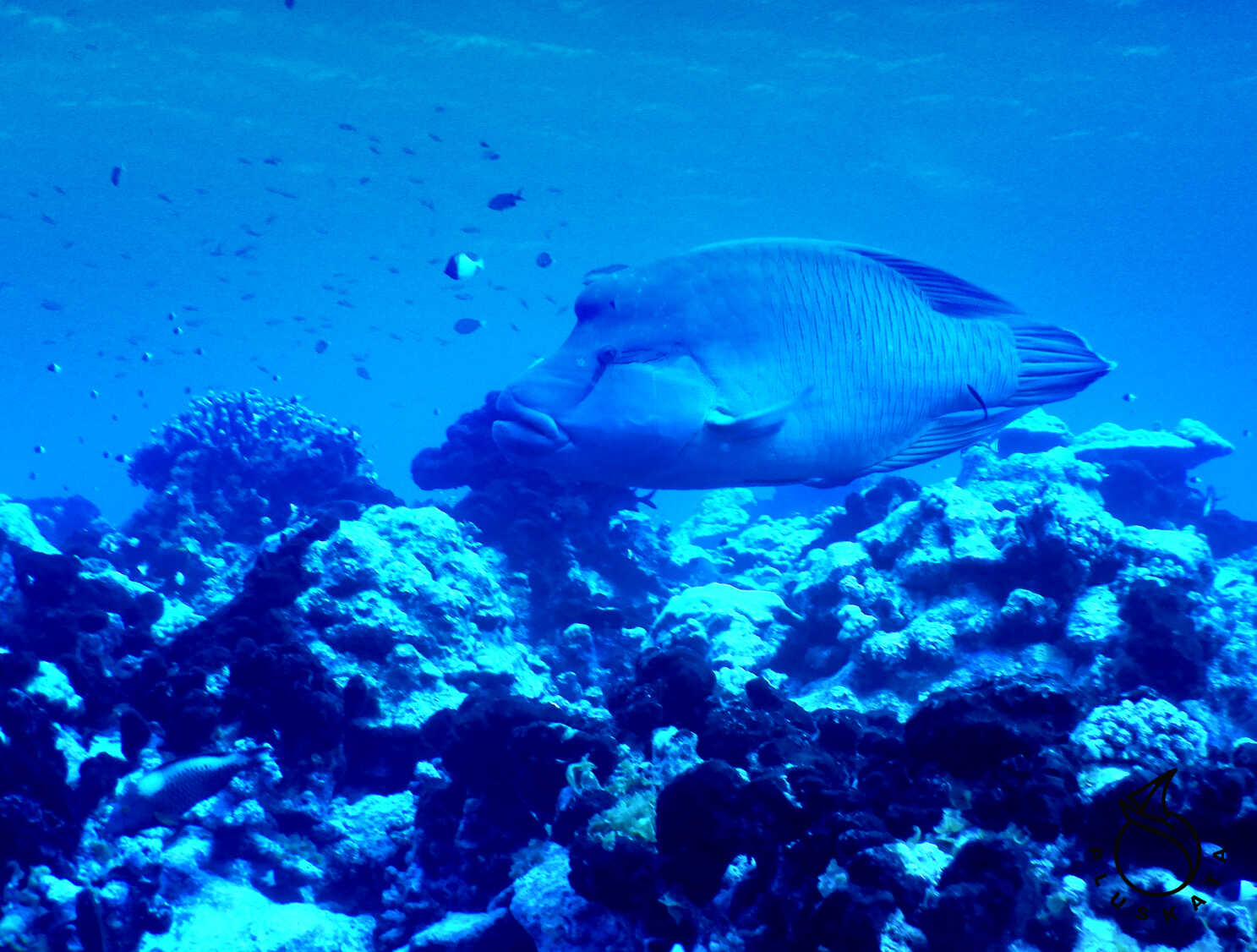
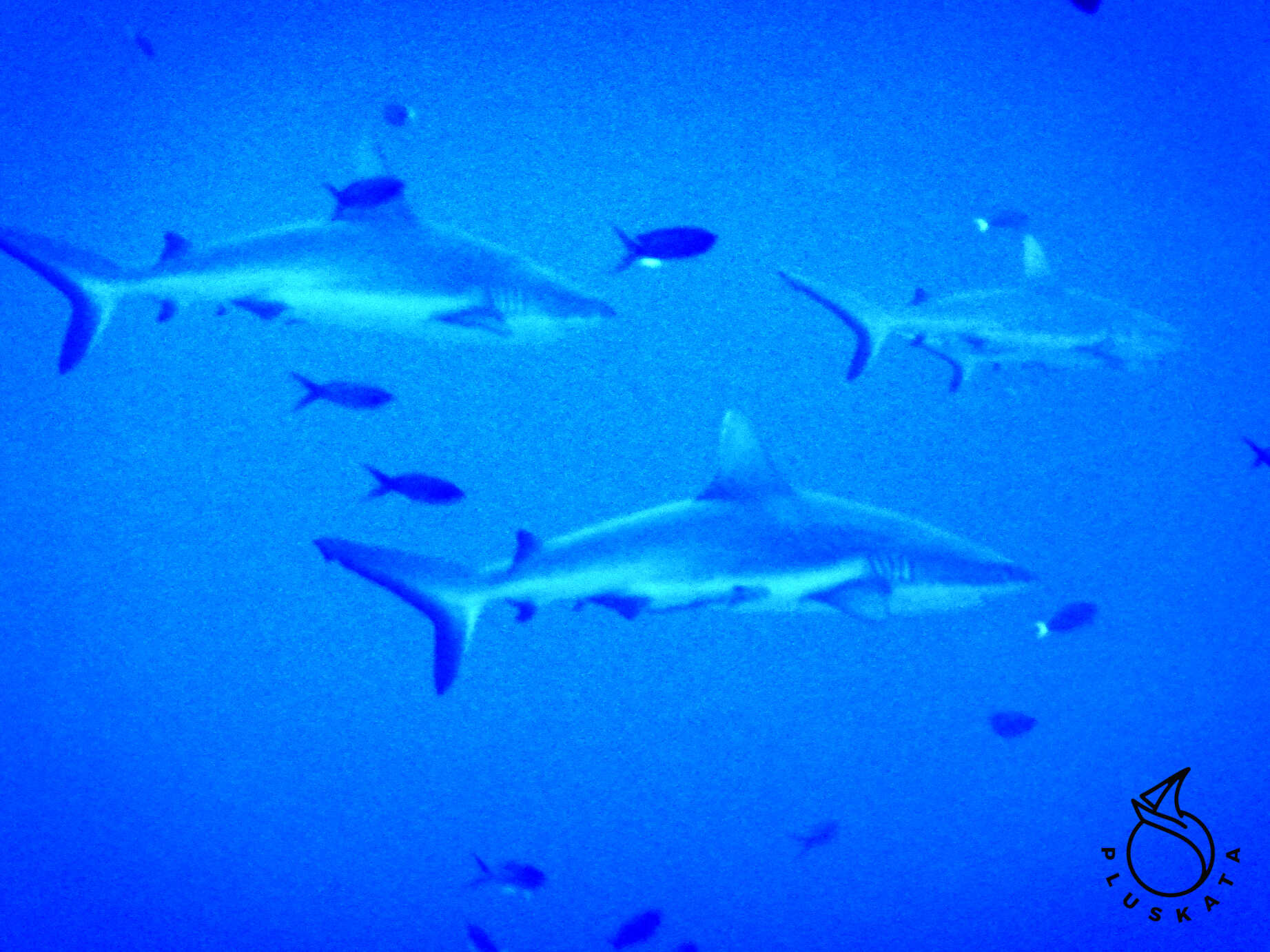
Most dive agencies don’t have any available spots until the end of August (vacation season), but we manage to find a spot at the O2 office. We dive in the northern pass in the afternoon. First, we sail along the beautiful reef, admiring large napoleons, barracudas, and lots of colorful fish, and finally, a whole school of sharks – large but gentle. The dive boat picks us up directly from Pluskata and returns us to Pluskata.