Date: January 14-28, 2026
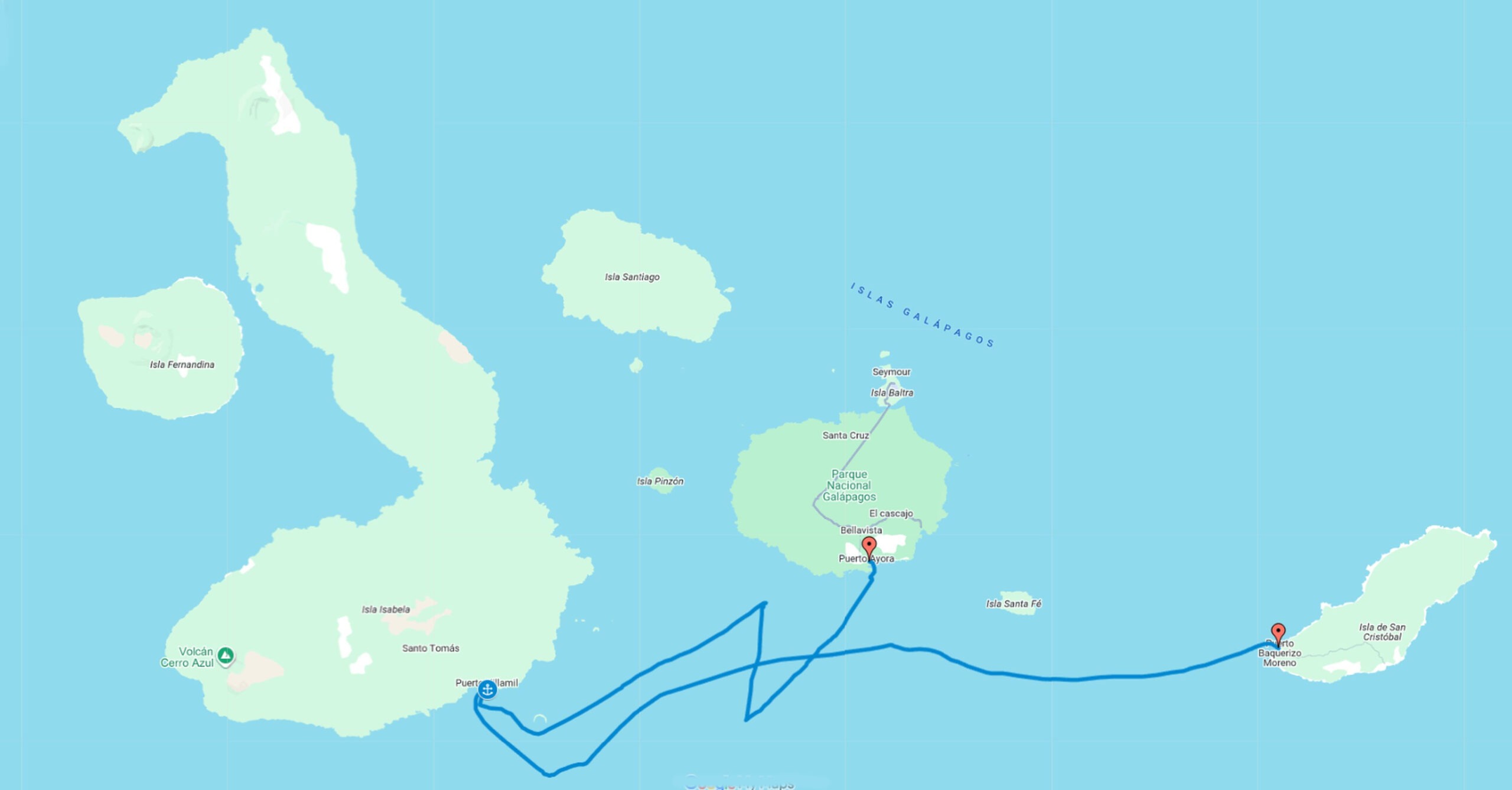
Route: San Cristobal-Isla Isabela-Santa Cruz
Miles/Hours: 181 NM/43 Hrs
San Cristobal Island
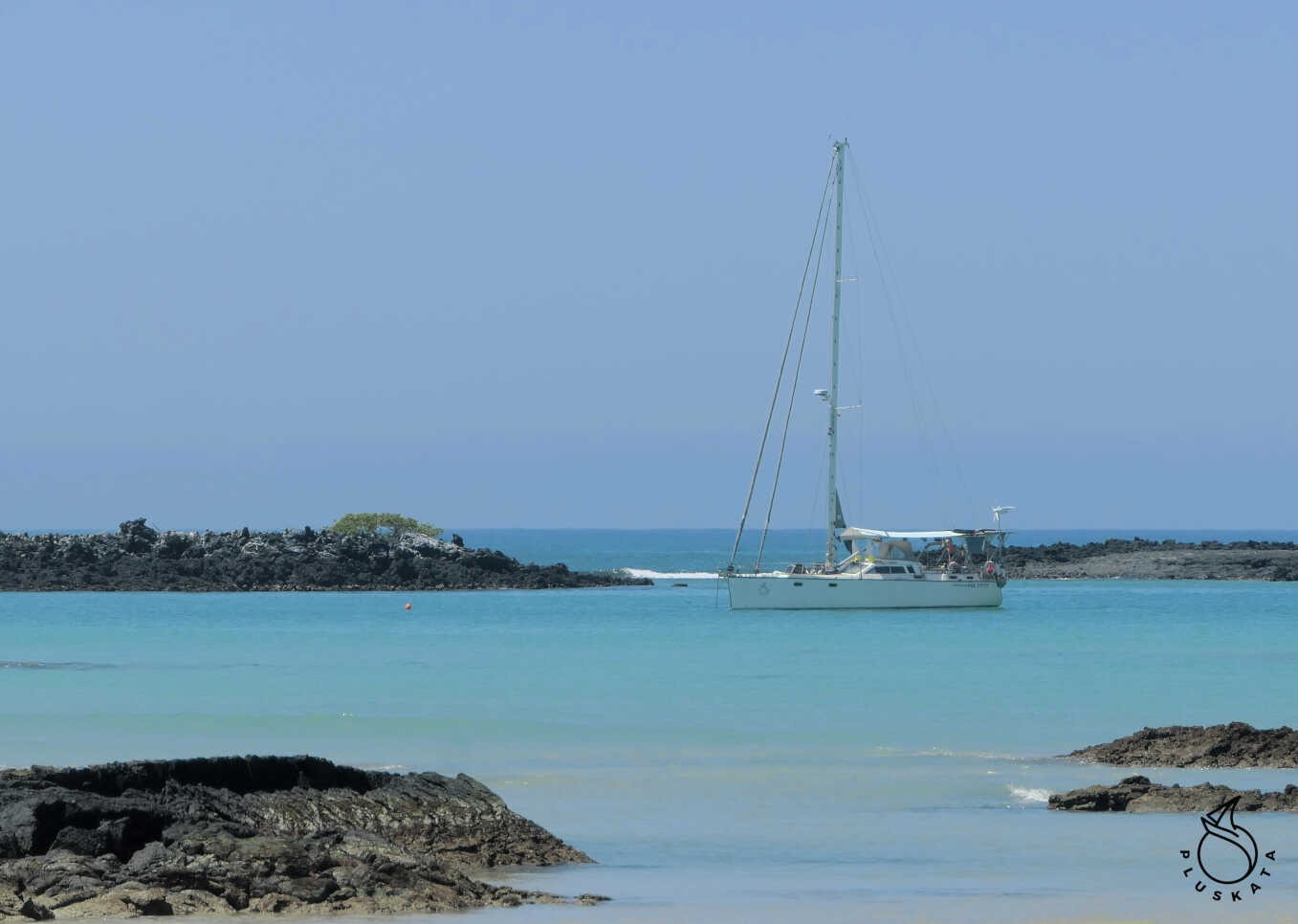
The oldest island in the Galapagos archipelago. The capital of the archipelago, Puerto Baquerizo Moreno, in the south of the island is the anchorage for yachts. Officials also arrive here for check-in. The island covers an area of 558 km², and its highest point rises to 730 m above sea level.
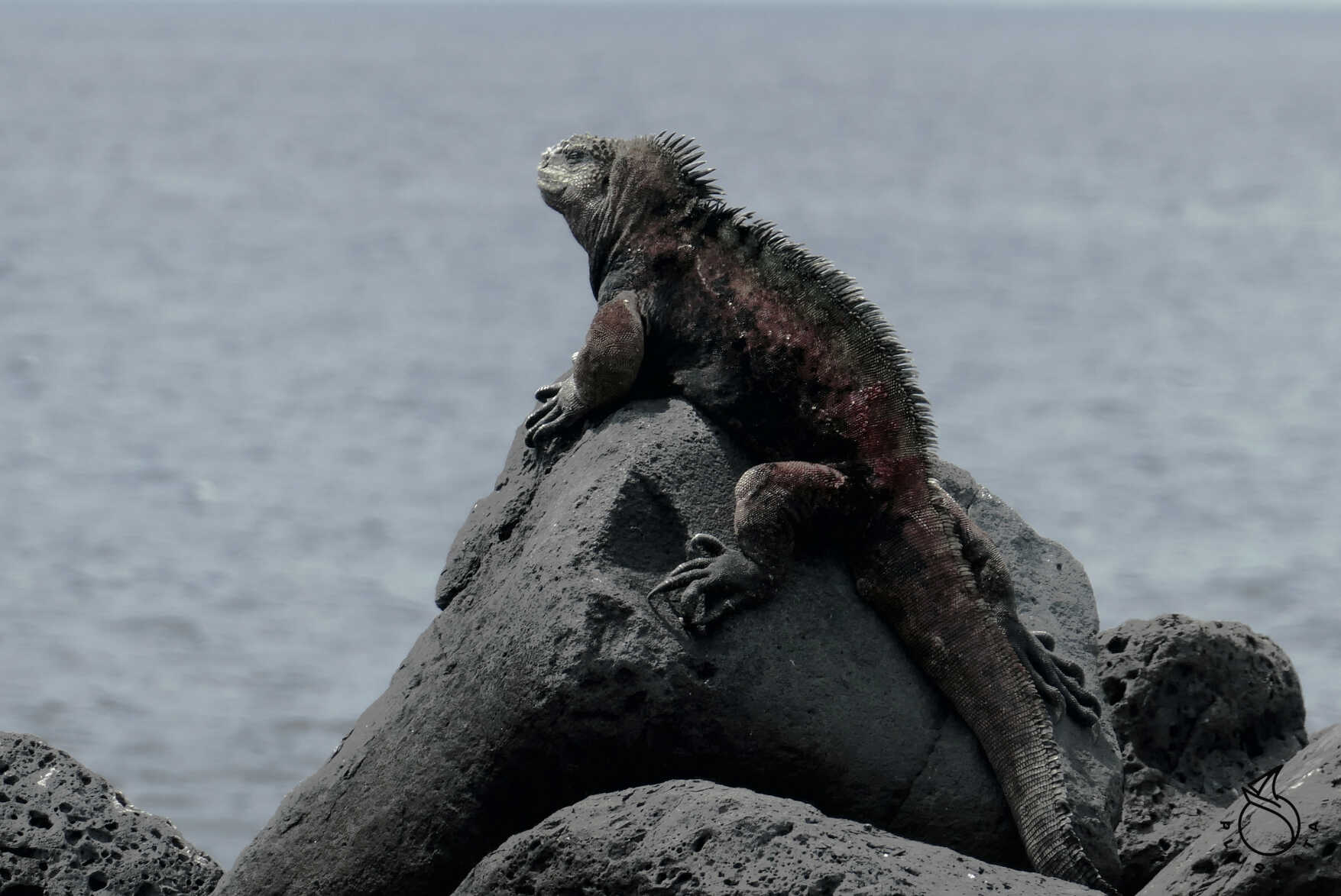
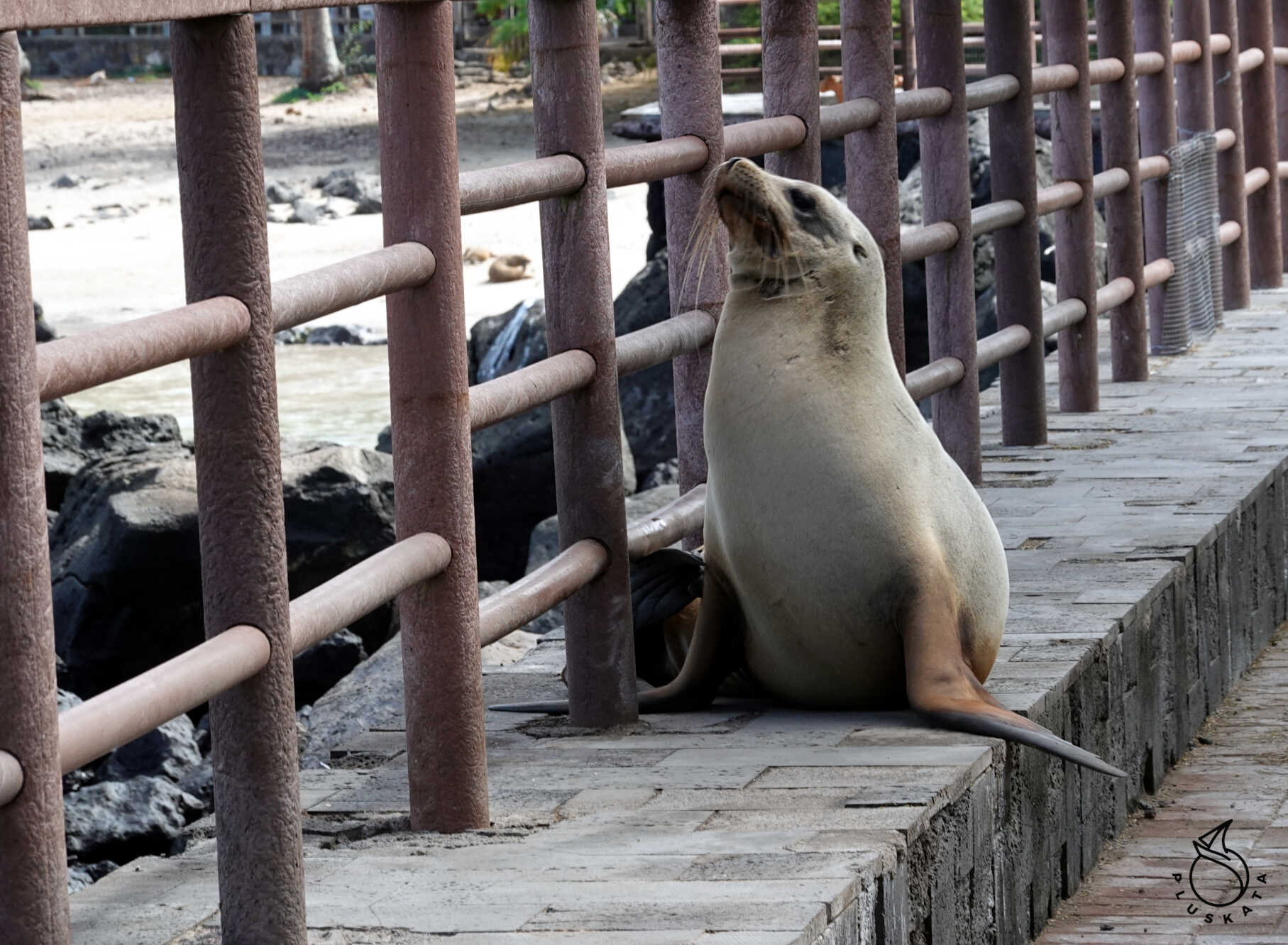
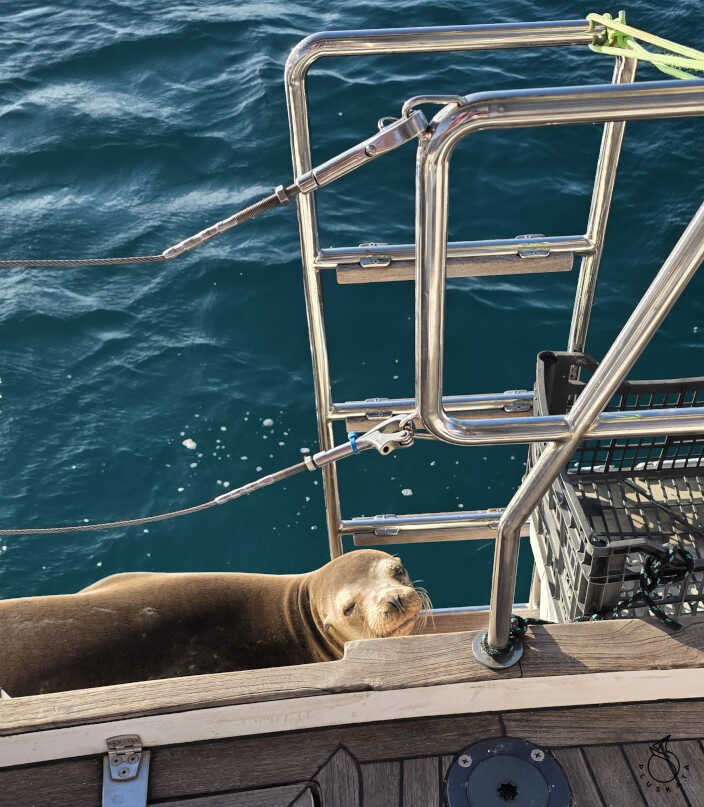
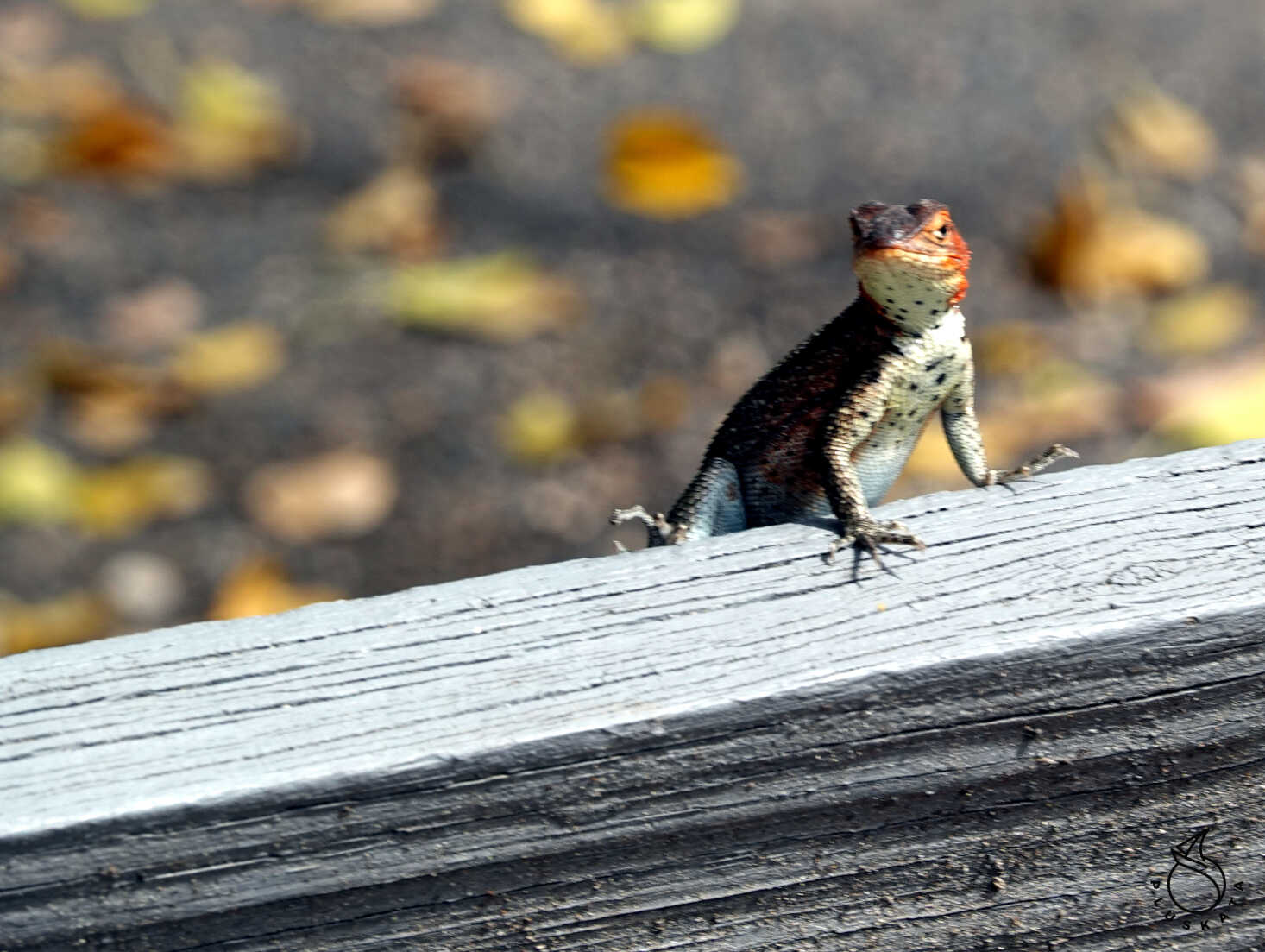
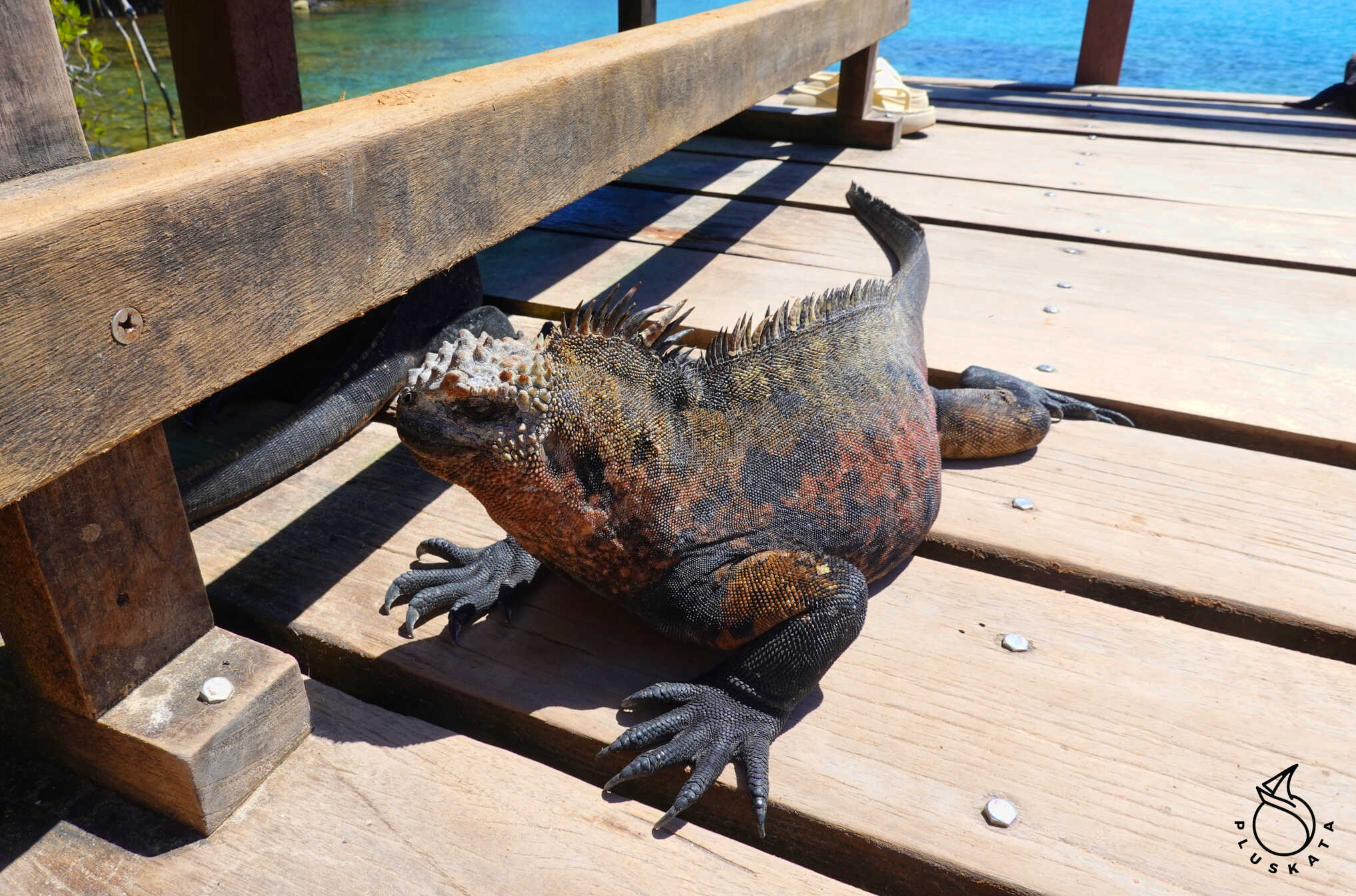
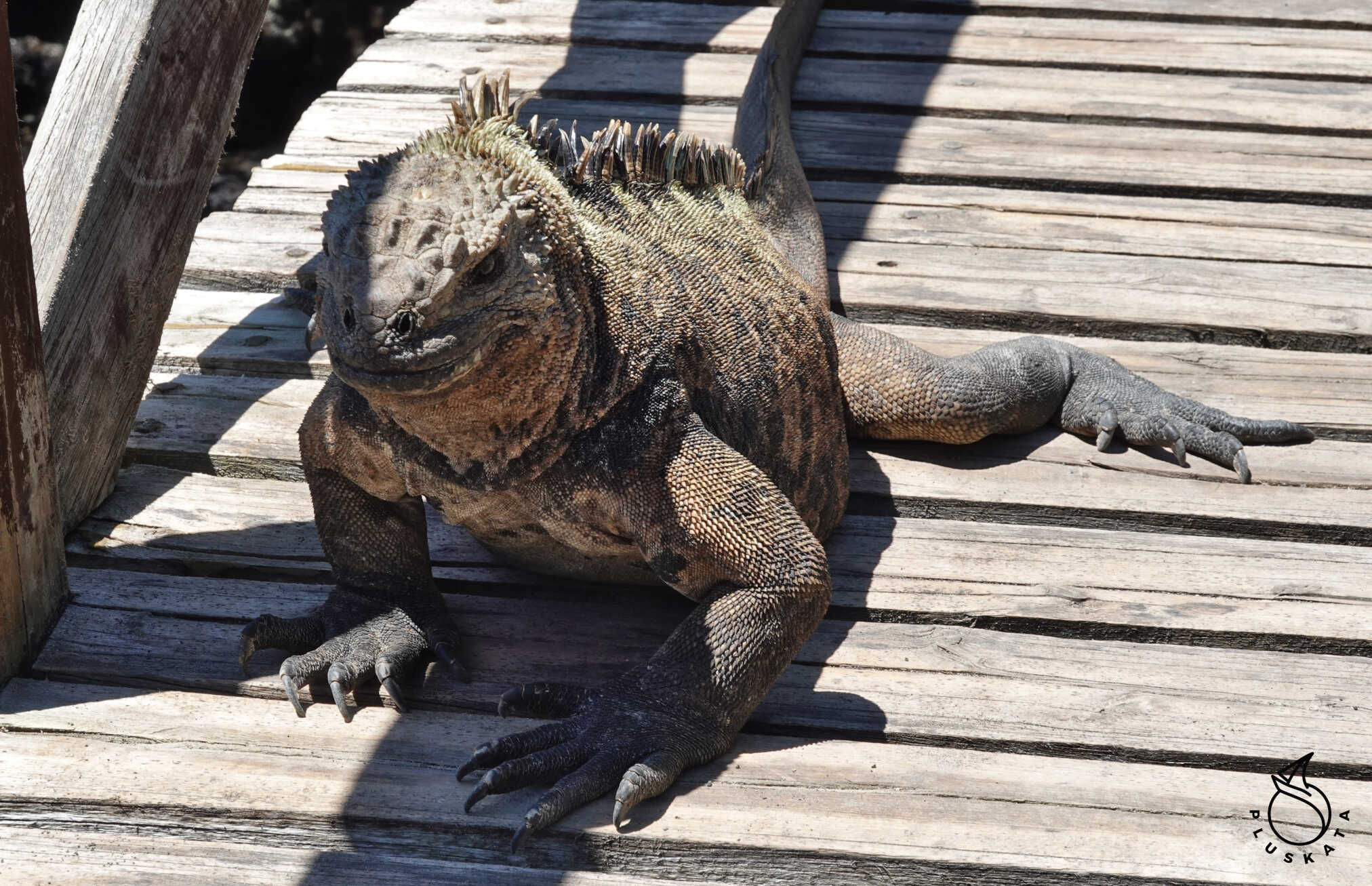
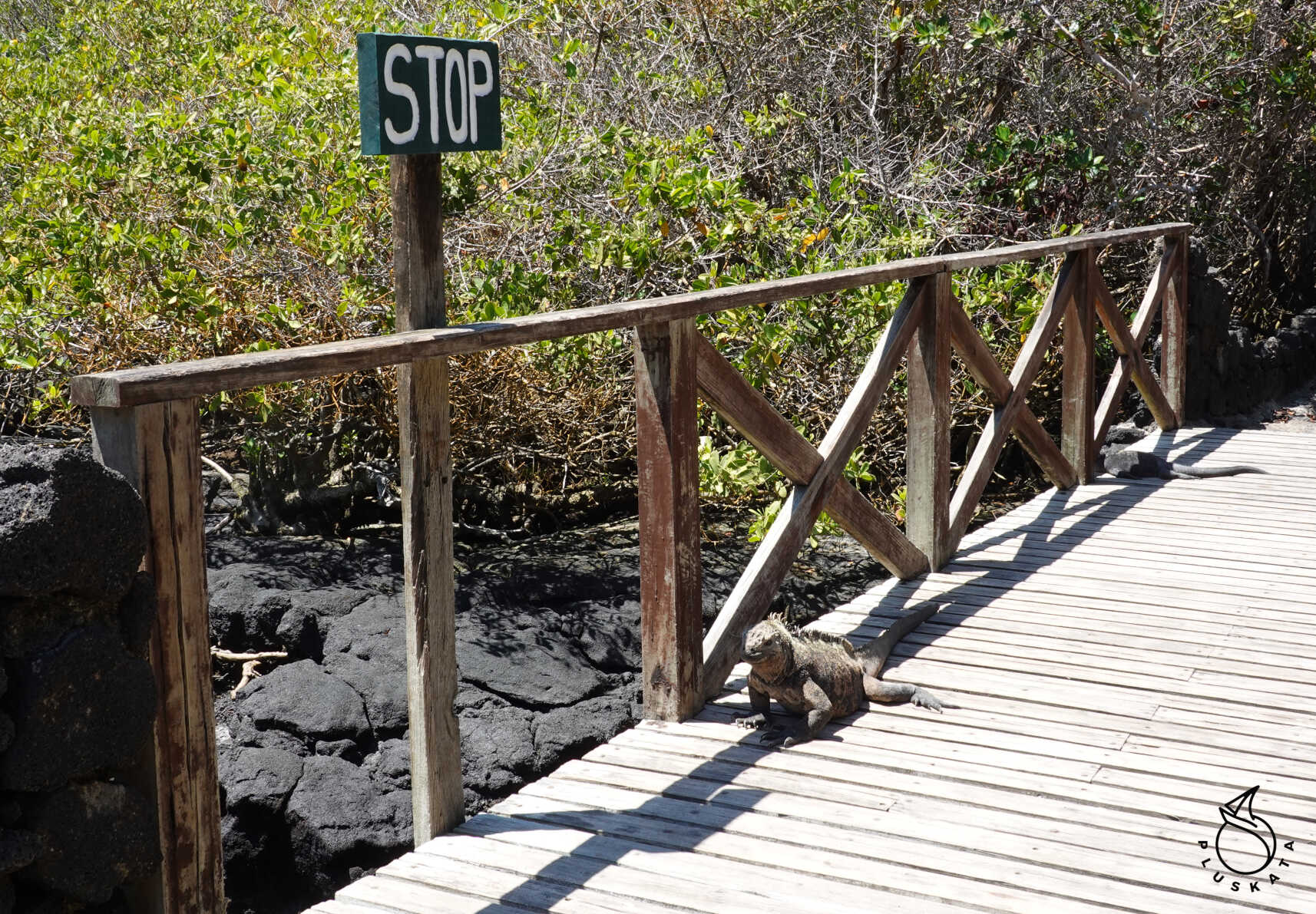
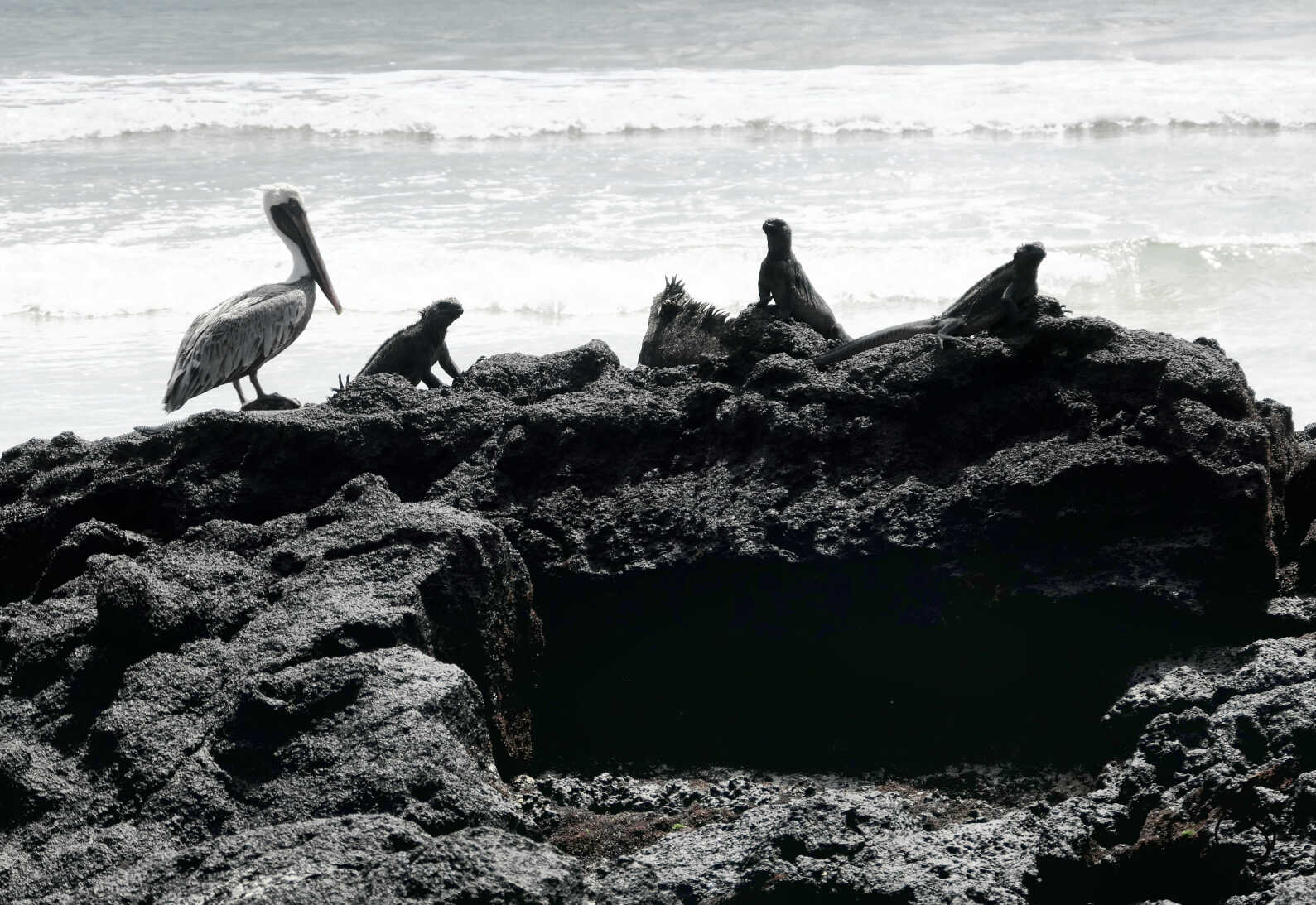
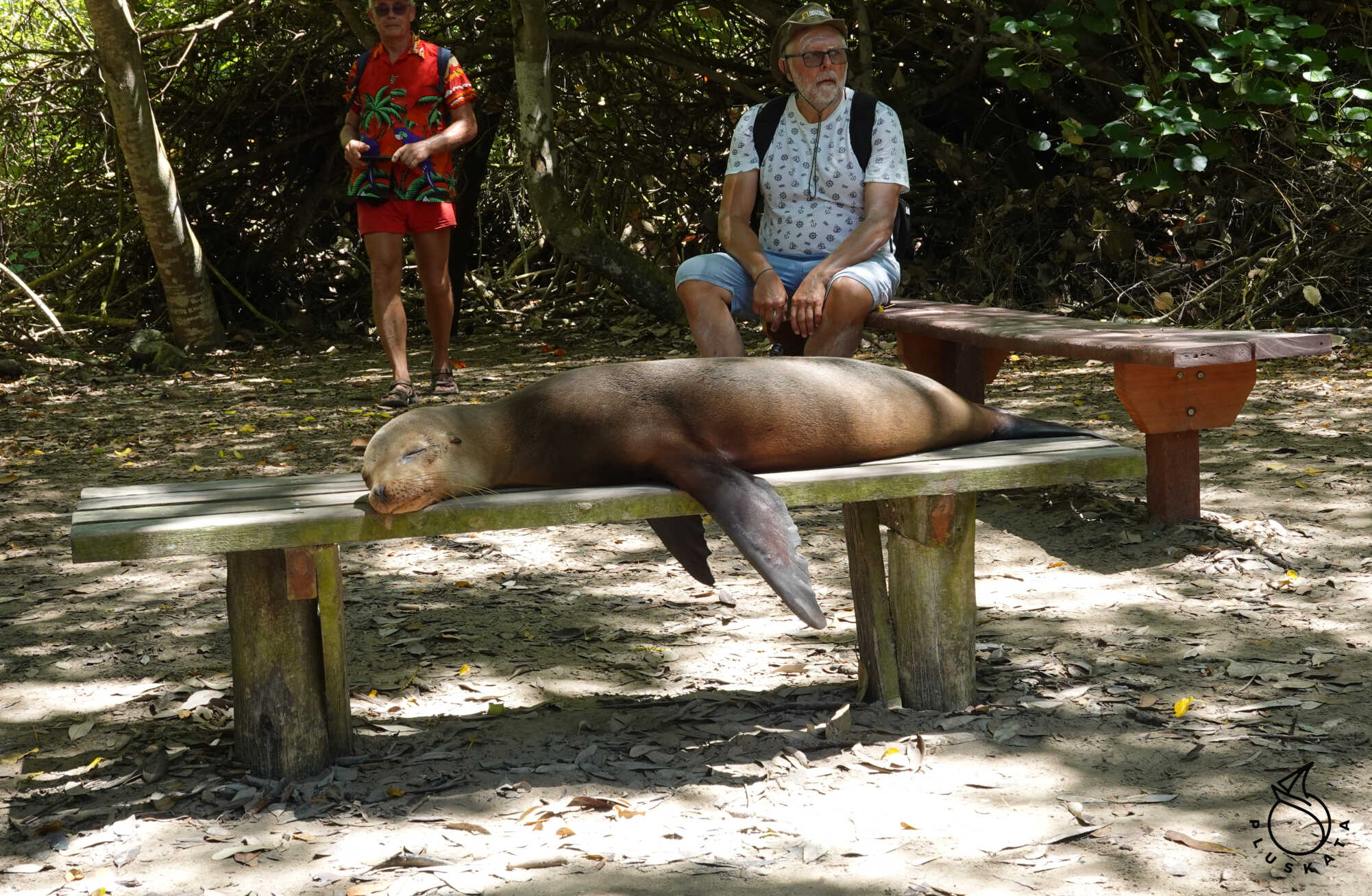
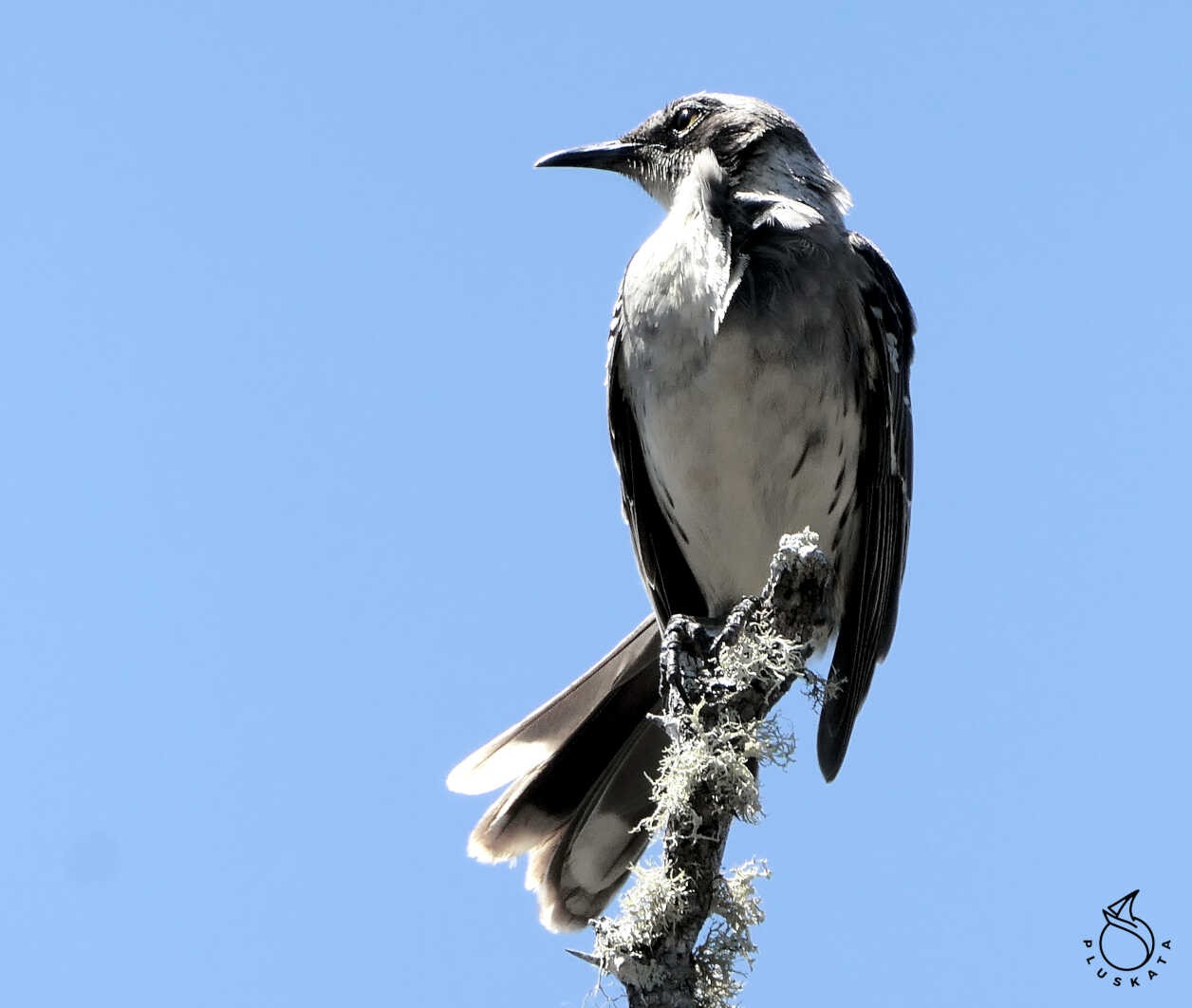
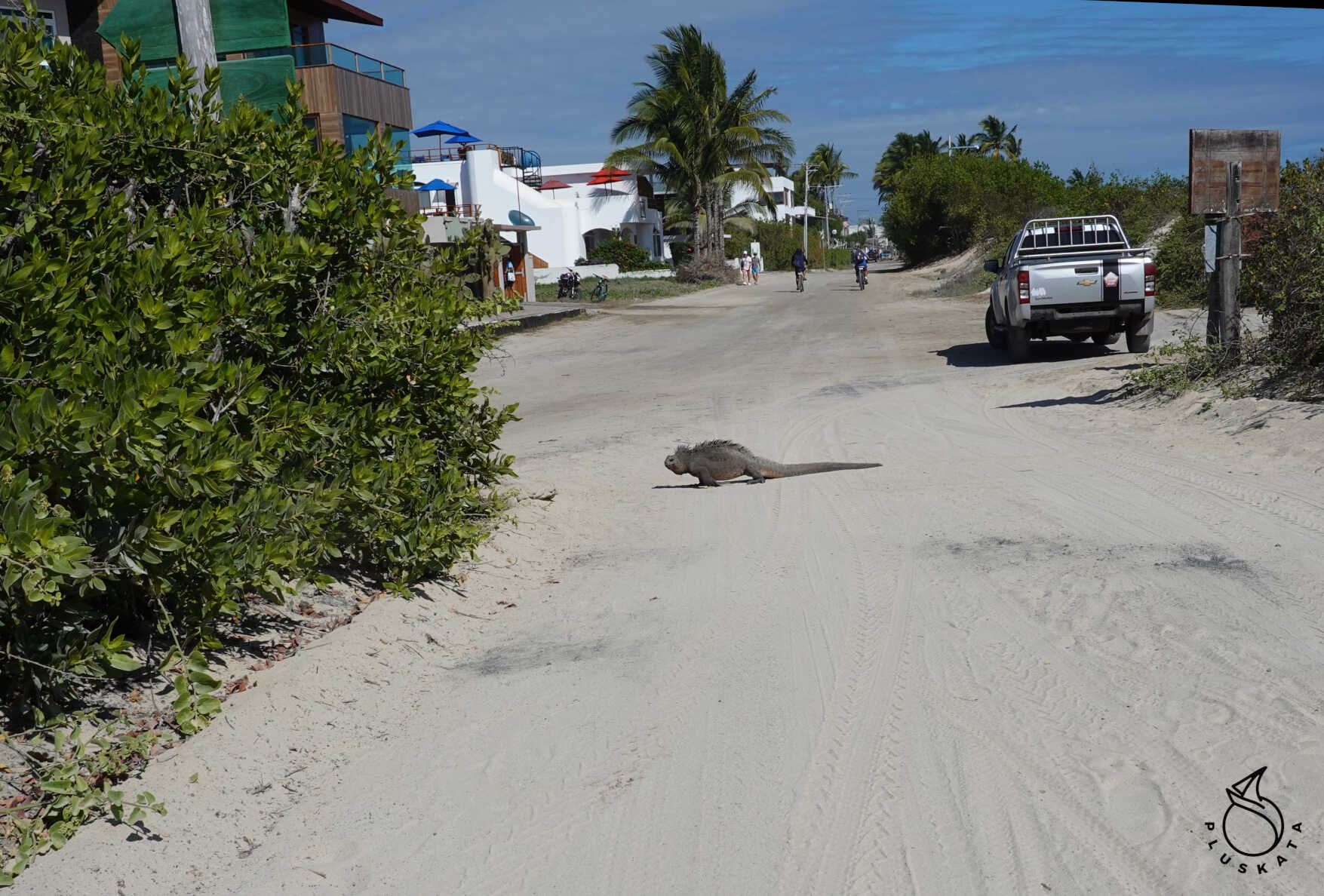
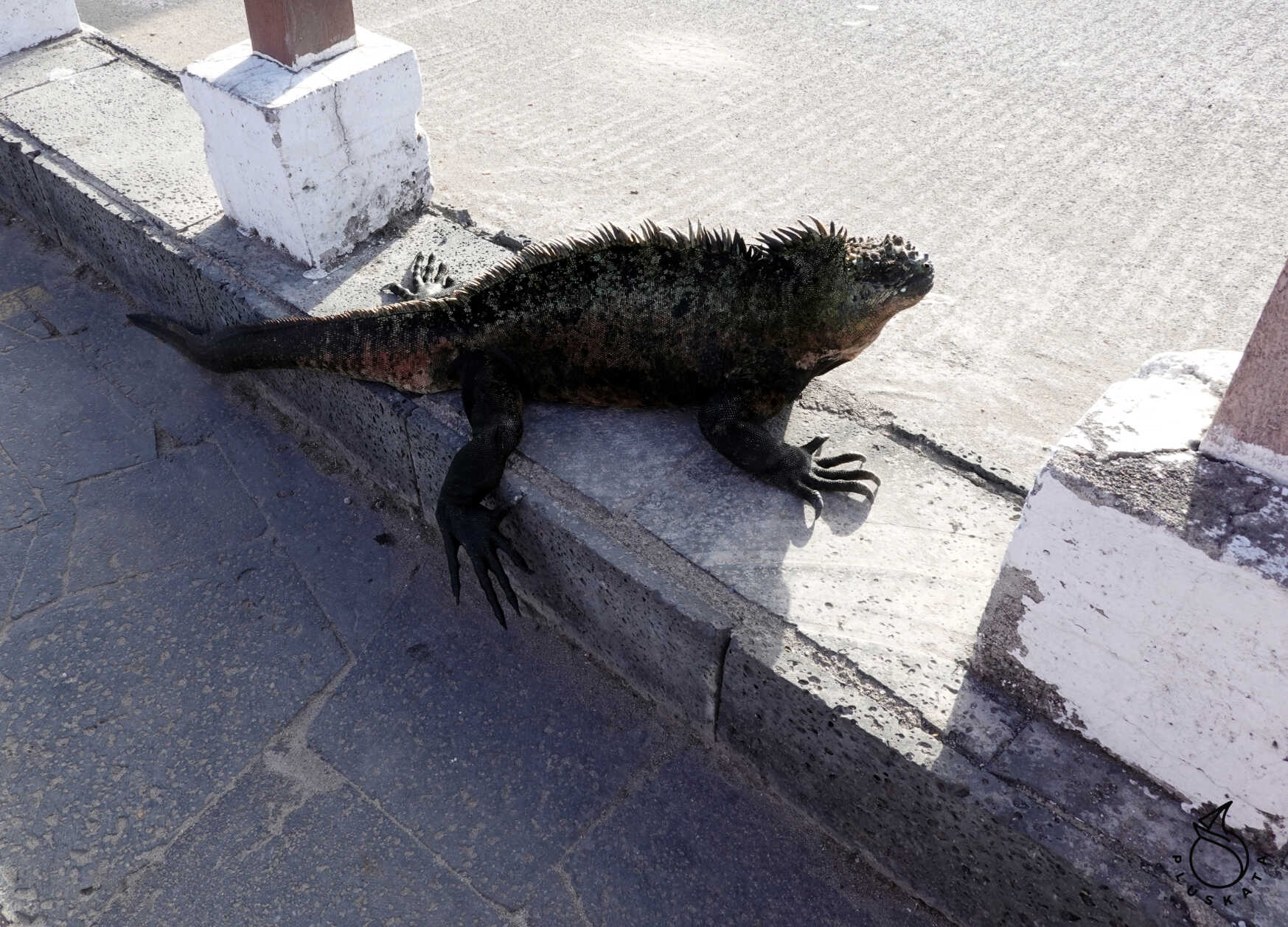
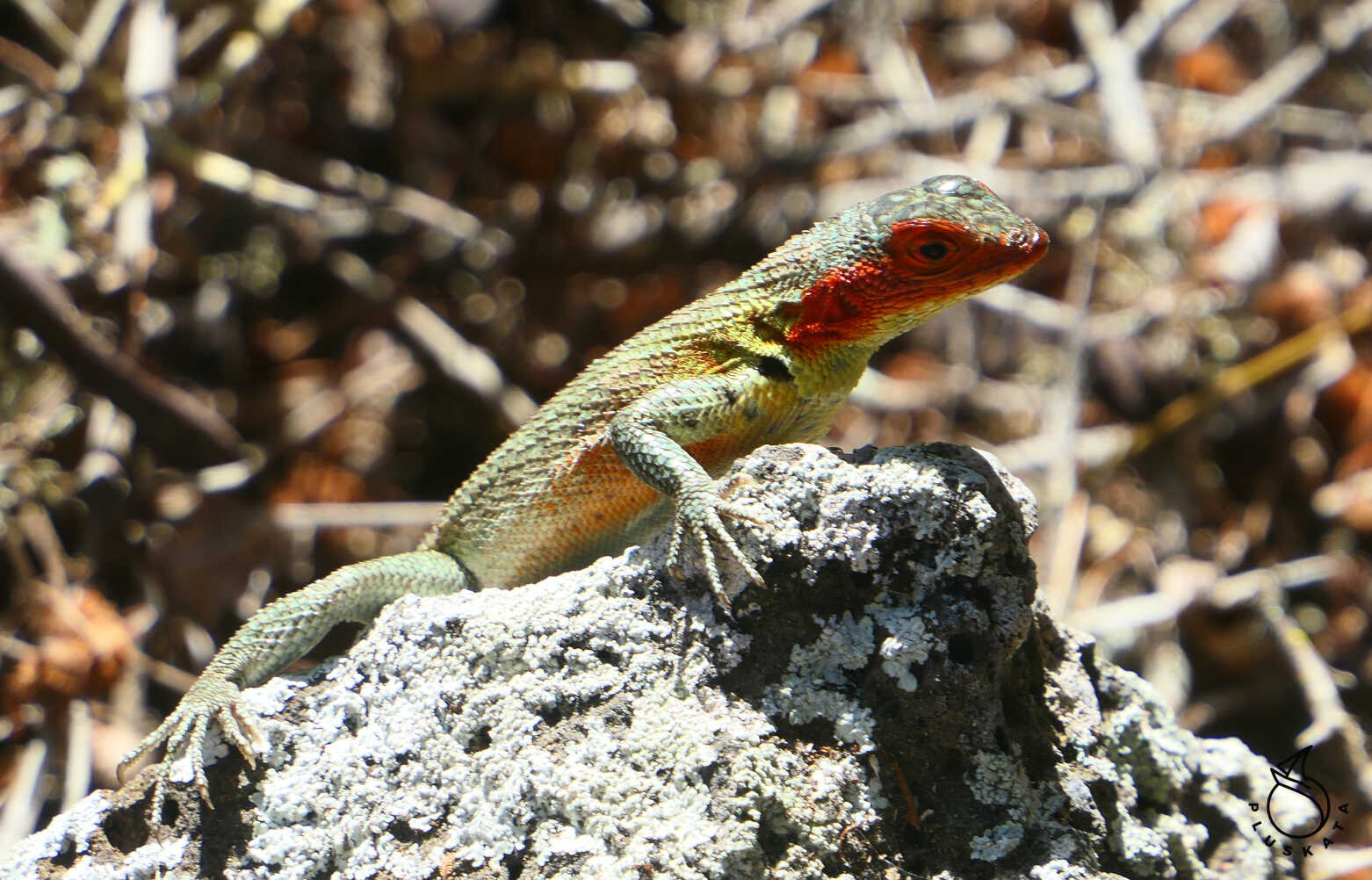
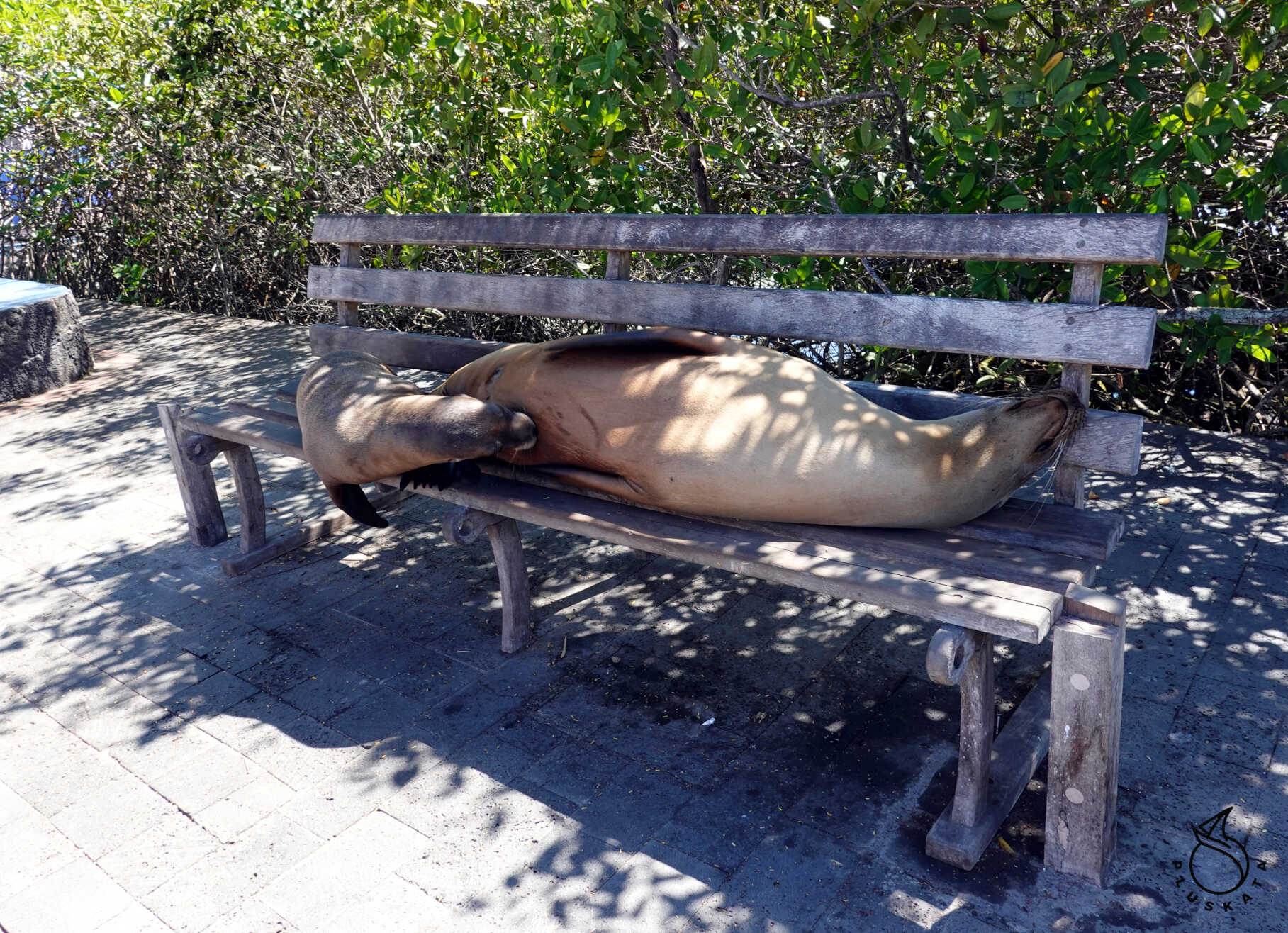
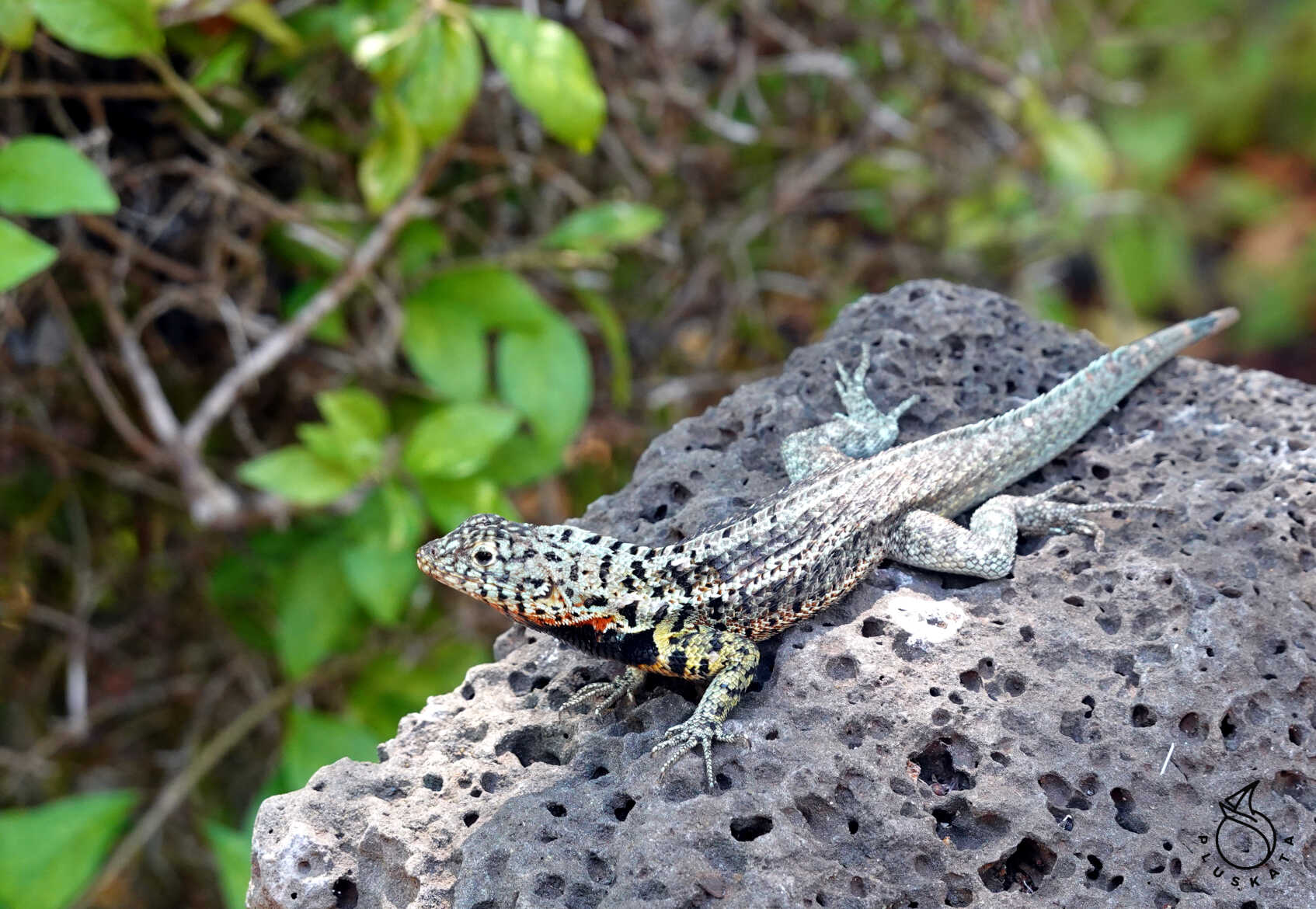
The island is home to a large number of sea lions (one even climbs aboard), numerous frigate birds, finches, a few sea turtles, iguanas, lizards, and many other animals.
Puerto Baquerizo Moreno
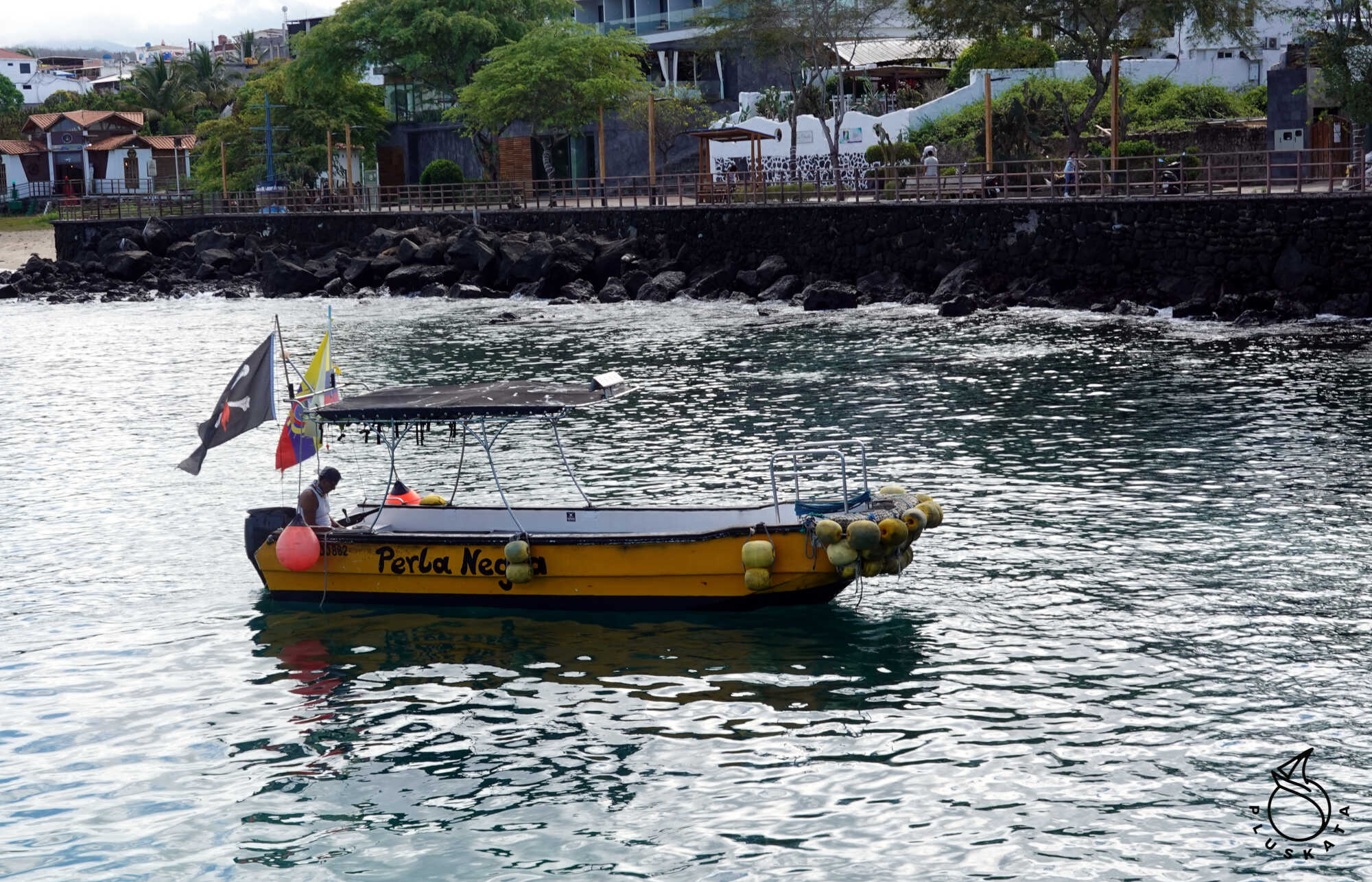
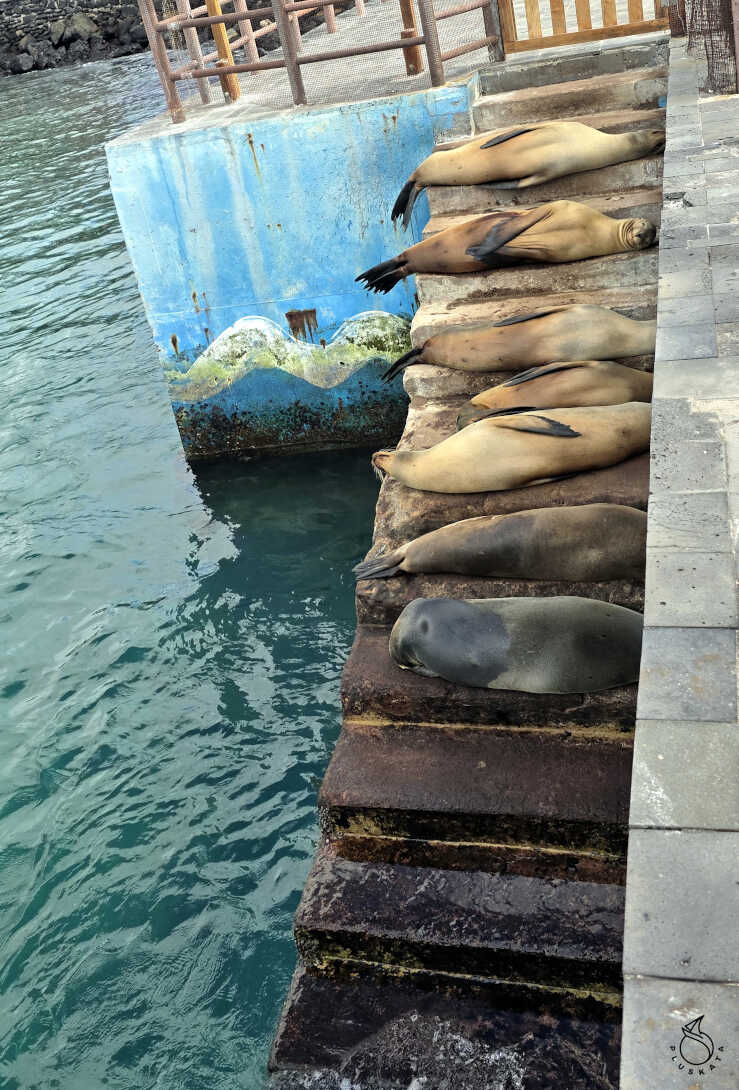
The main town on the island with a marina (taxi to the shore costs $1 per person). Taxis can be hailed on VHF channel 14. Sometimes the wait is a minute, sometimes 10-15 minutes. The taxi docks at a jetty where seals often rest, and you have to be careful when getting off to avoid stepping on one. There’s a small vegetable market in town (they sell vegetables individually or in bags), and prices are reasonable. From 12 to 2 p.m., you can eat lunch „menu del dia” (soup, main course, juice, and sometimes dessert) at many restaurants in town for $5-$7.
GNPS Interpretation Center
Opened to the public in 1998, the Galapagos National Park Visitor Center in San Cristóbal presents a complete and documented history of the Galapagos Islands, its ecosystems, flora, and fauna. The center focuses primarily on the history of the archipelago, from its volcanic origins to the present. Two interpretive panels, presenting the natural and cultural history of the archipelago, are connected chronologically. The tour is free, but you must sign a guest book at the entrance – one person per group, specifying the number of people in the group, their country, and what you want to see.
A path leads through the Interpretation Center to other places worth seeing.
Tijeretas Cliffs
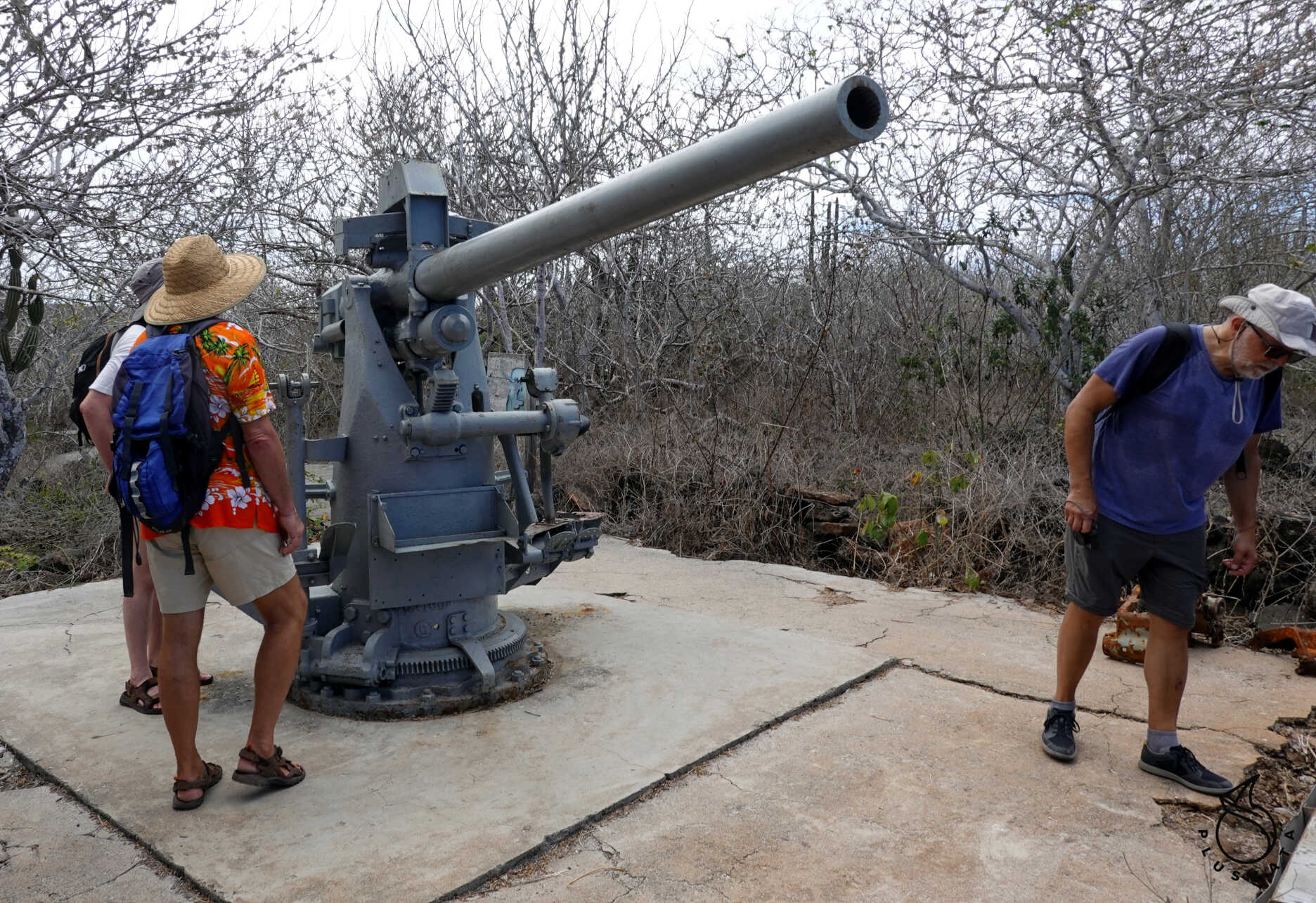
Beautiful cliffs with several nice viewpoints. From above, you can see crystal-clear, turquoise water, frigatebirds, and, of course, sea lions. On the way, when you descend to the swimming platform, you can admire the large Darwin monument. From the swimming platform, you can go snorkeling, but the descent is very rocky, so we decided against it. We continue along the path to other viewpoints. One of them features a 1970 cannon brought by the Ecuadorian army for training.
Playa Punta Carola
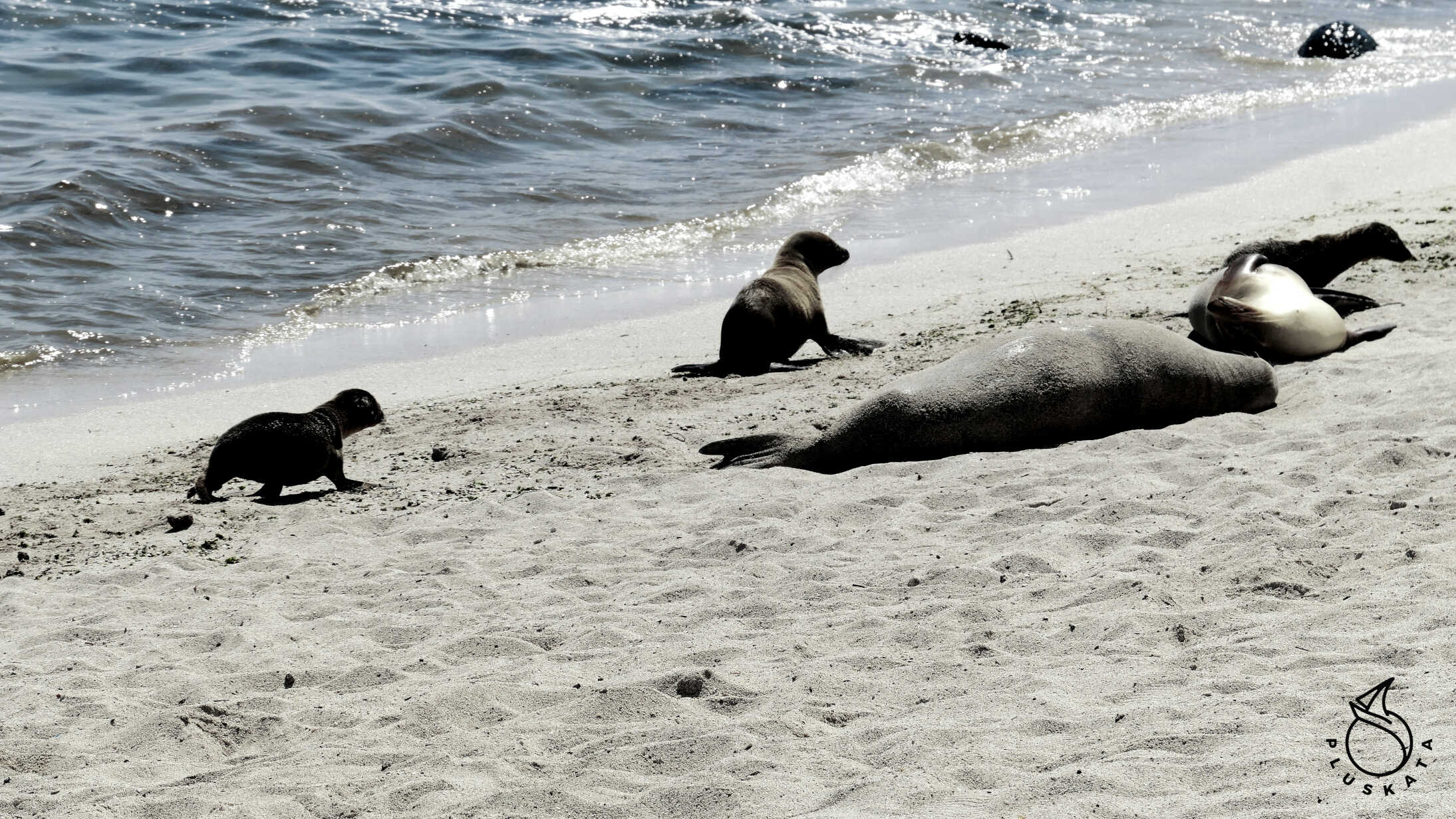
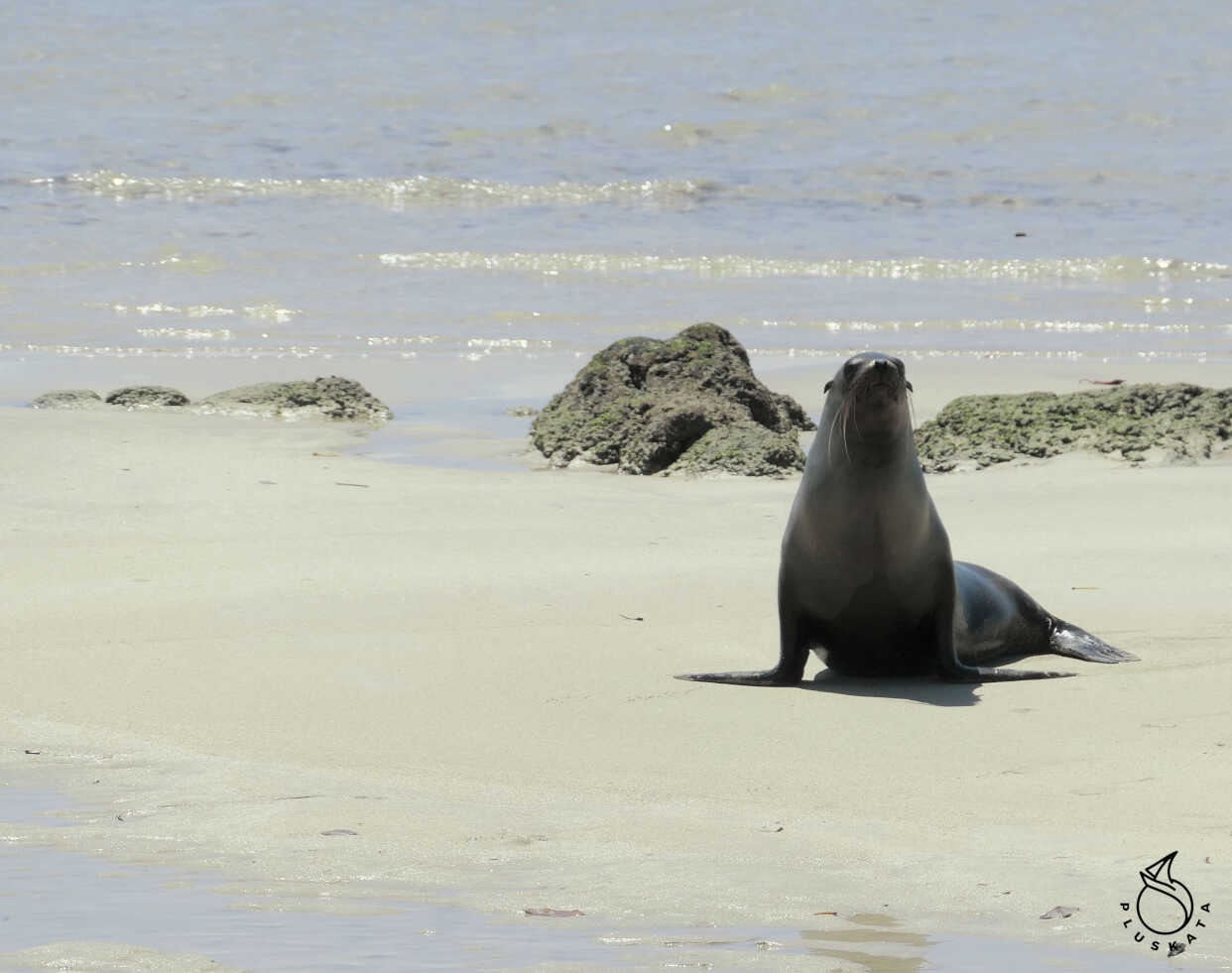
A very beautiful beach with lots of seals. There are seals both on the sand, in the water, and under the surrounding bushes. We swim here, even though the water temperature is only 25°C. On the way, we stop to see some American drones and go for lunch.
Island Tour
We take two taxis and pay $80 each ($160 total) for the 4-hour tour.
We decide to visit a few of the interesting points.
El Progreso
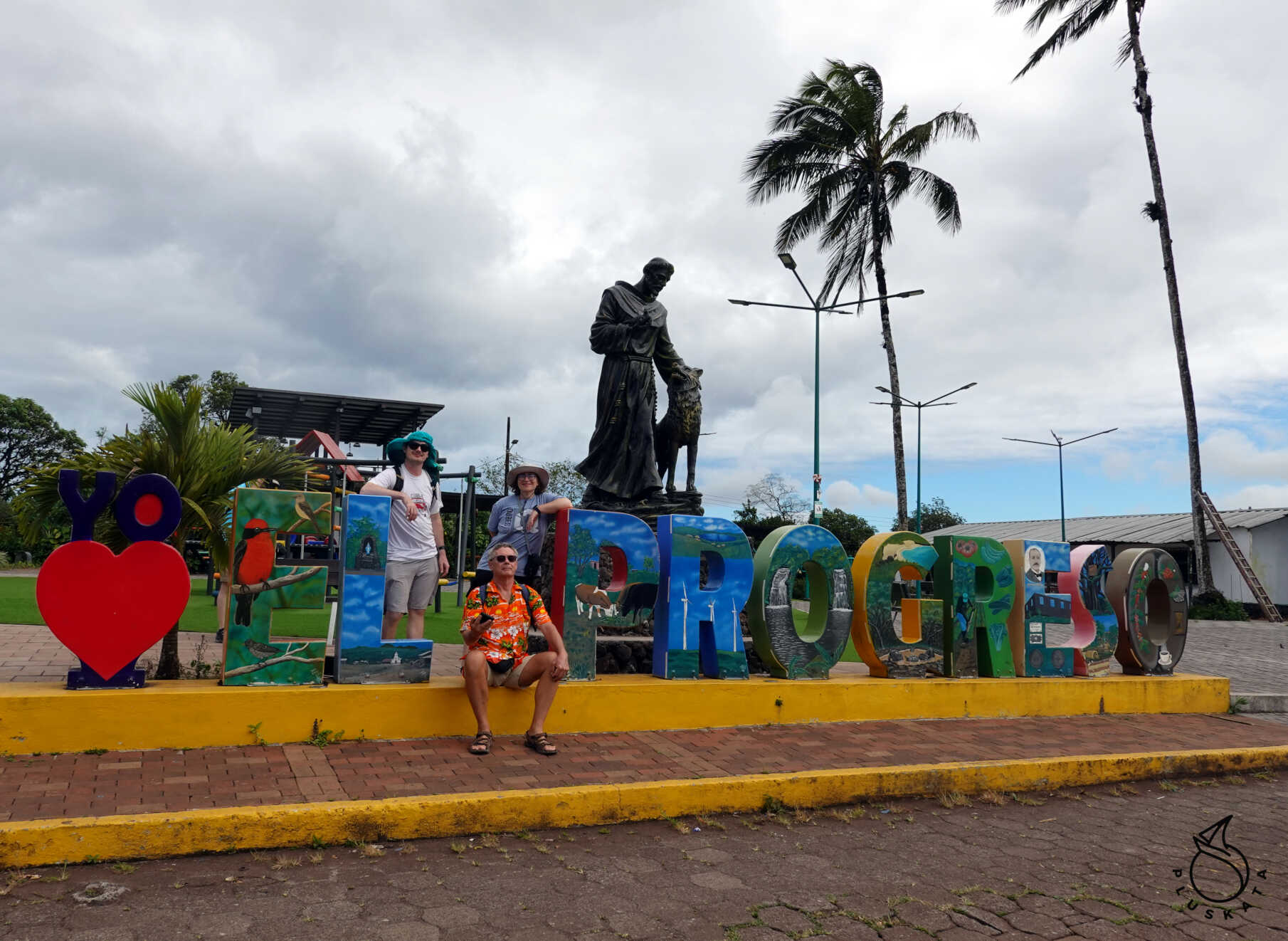
A small town about 8 km from Puerto Baquerizo. It consists of a main square with a church and a children’s play area, as well as the great El Ceibo Treehouse. This is an old tree you can go inside. Inside, there are some photographs from Floreana, some equipment, and a short description of the site. The tree is about 300 years old. Admission to the site costs $2 per person. Additional attractions include a house with walls made of beer bottles and a small house made of bottle crates. There’s also a treehouse made from a lifeboat. Inside, there’s plumbing, a toilet, and a shower with a bathtub. You can also stay overnight there. There’s a fruit and vegetable garden next to the treehouse.
El Junco Lagoon
A freshwater lake in a volcanic crater. El Junco is located in a crater created by the collapse of the volcano’s caldera. Research indicates that the lake has existed since the end of the last ice age. The name El Junco comes from Spanish and means sedge, which is endemic to the islands.
During World War II, American forces stationed at the military base on Baltra Island used El Junco as their main water source, as it was the closest available freshwater source.
Galapaguera de Cerdo Colorado
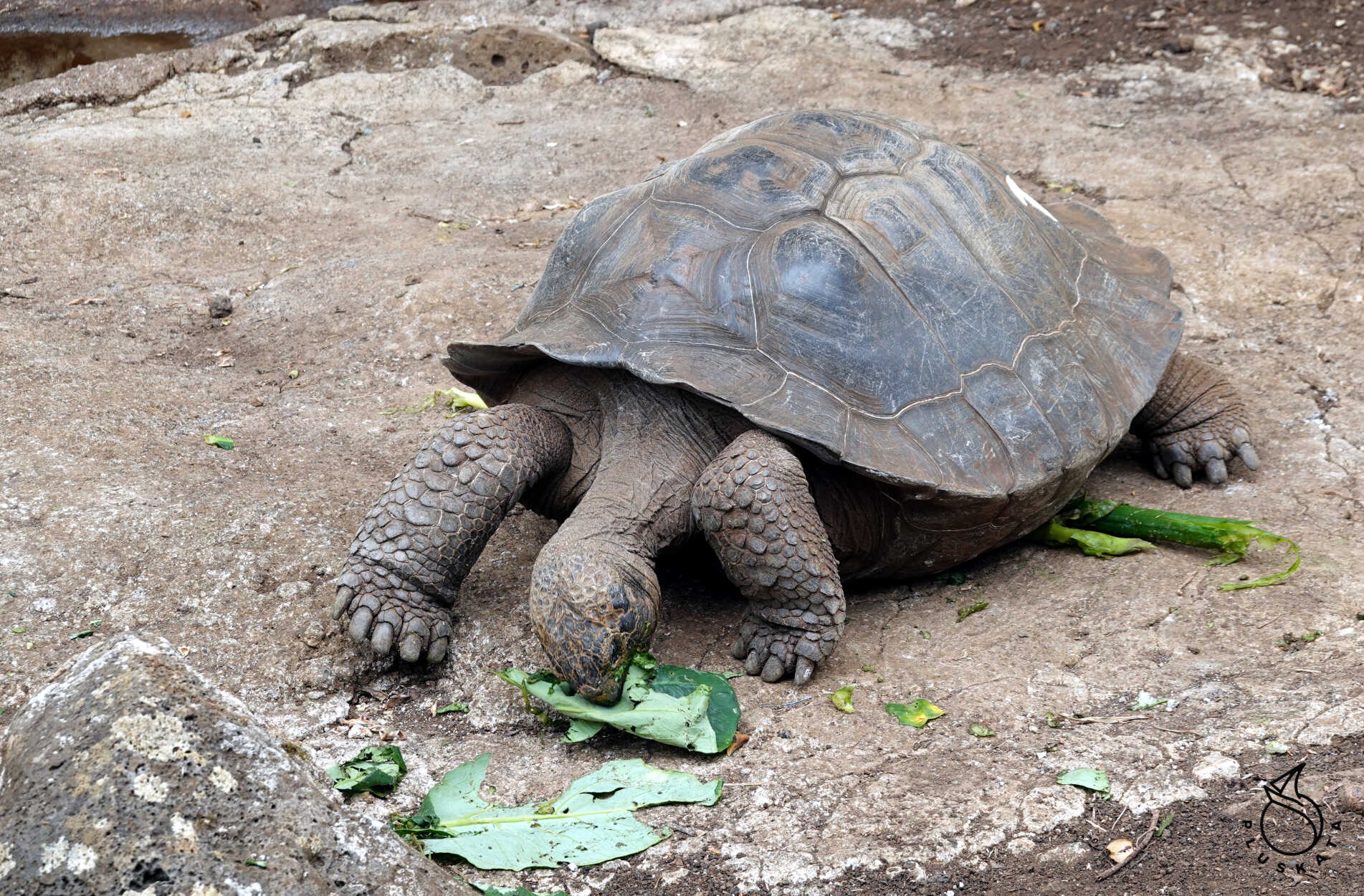
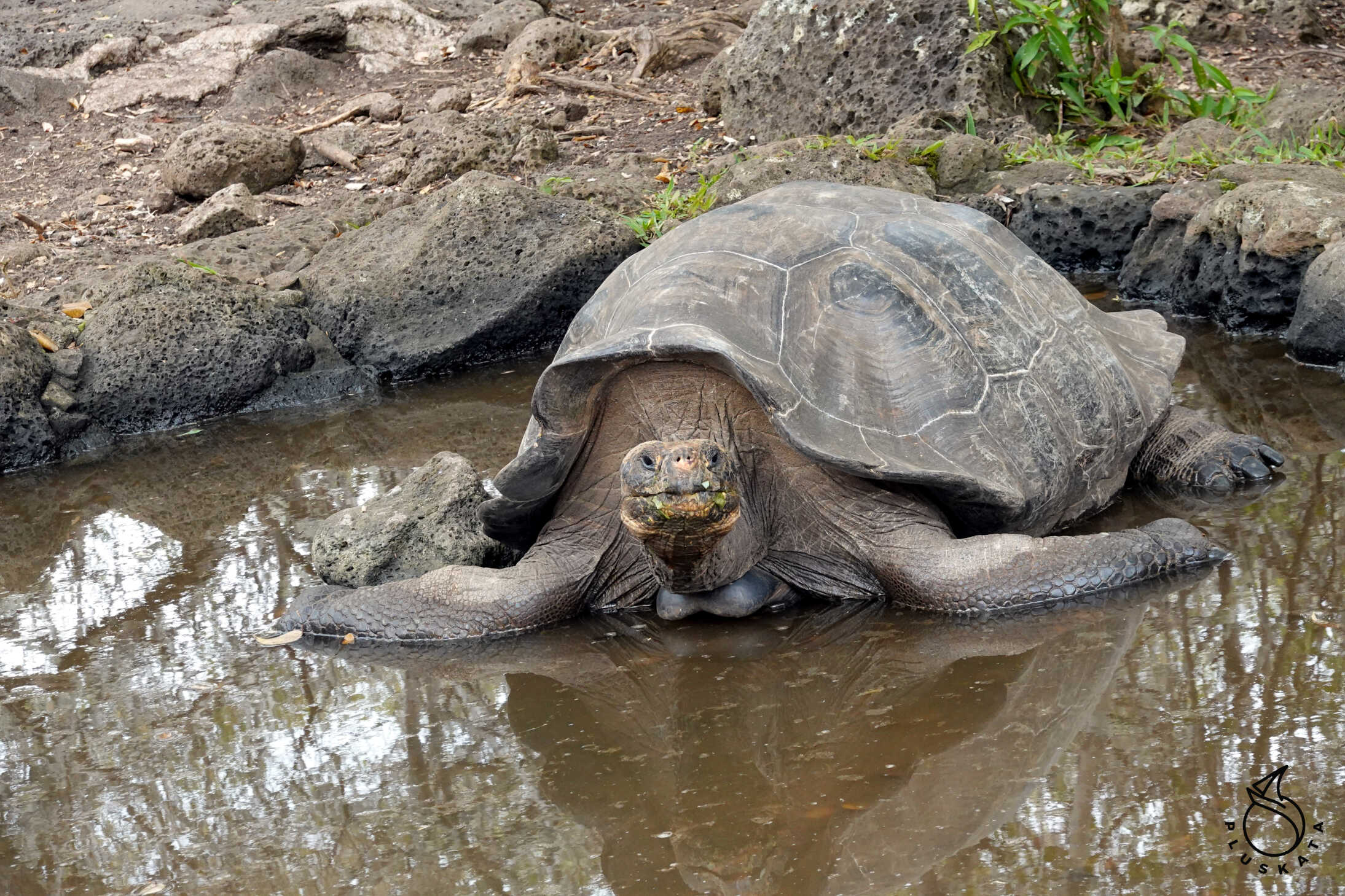
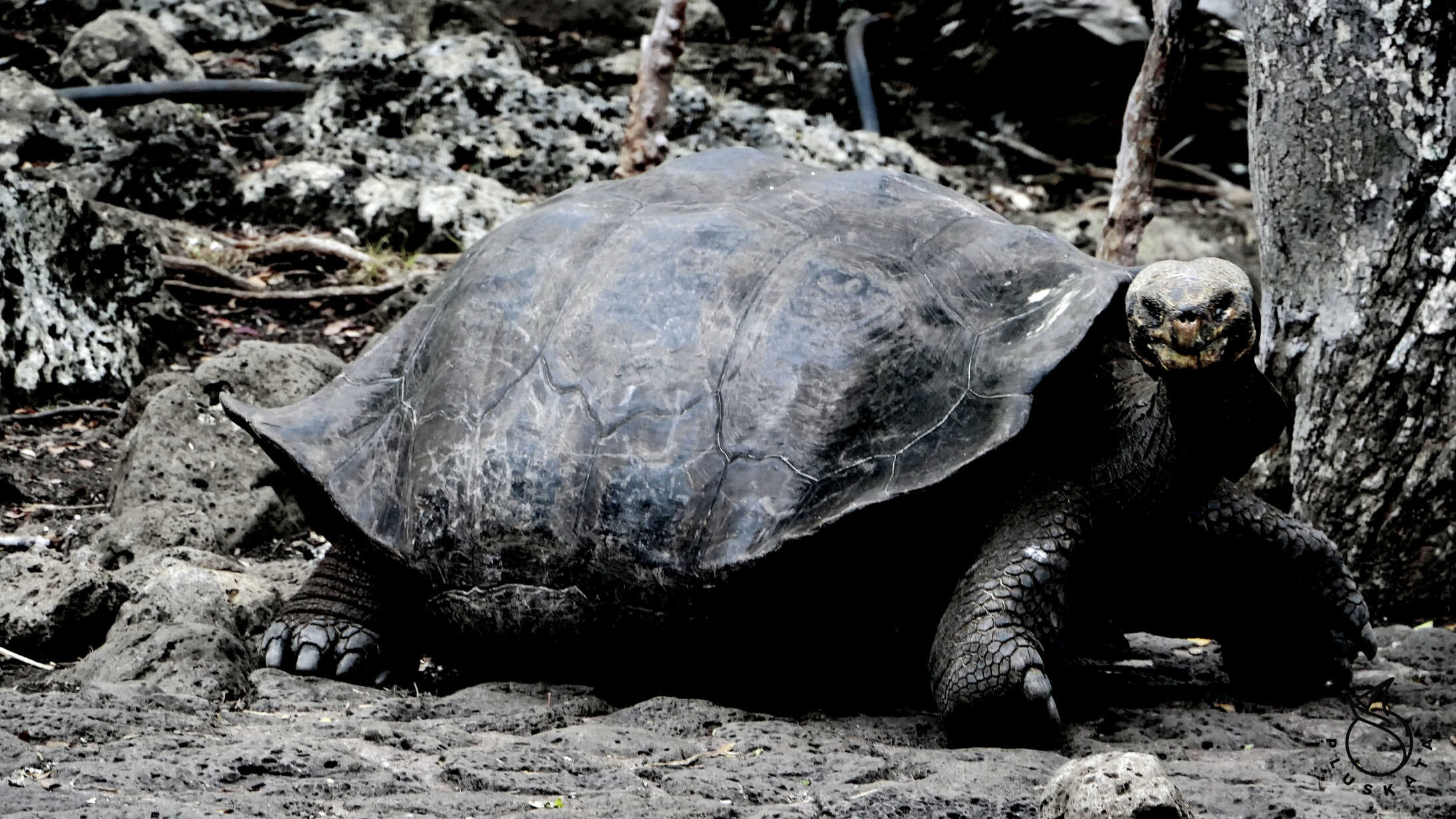
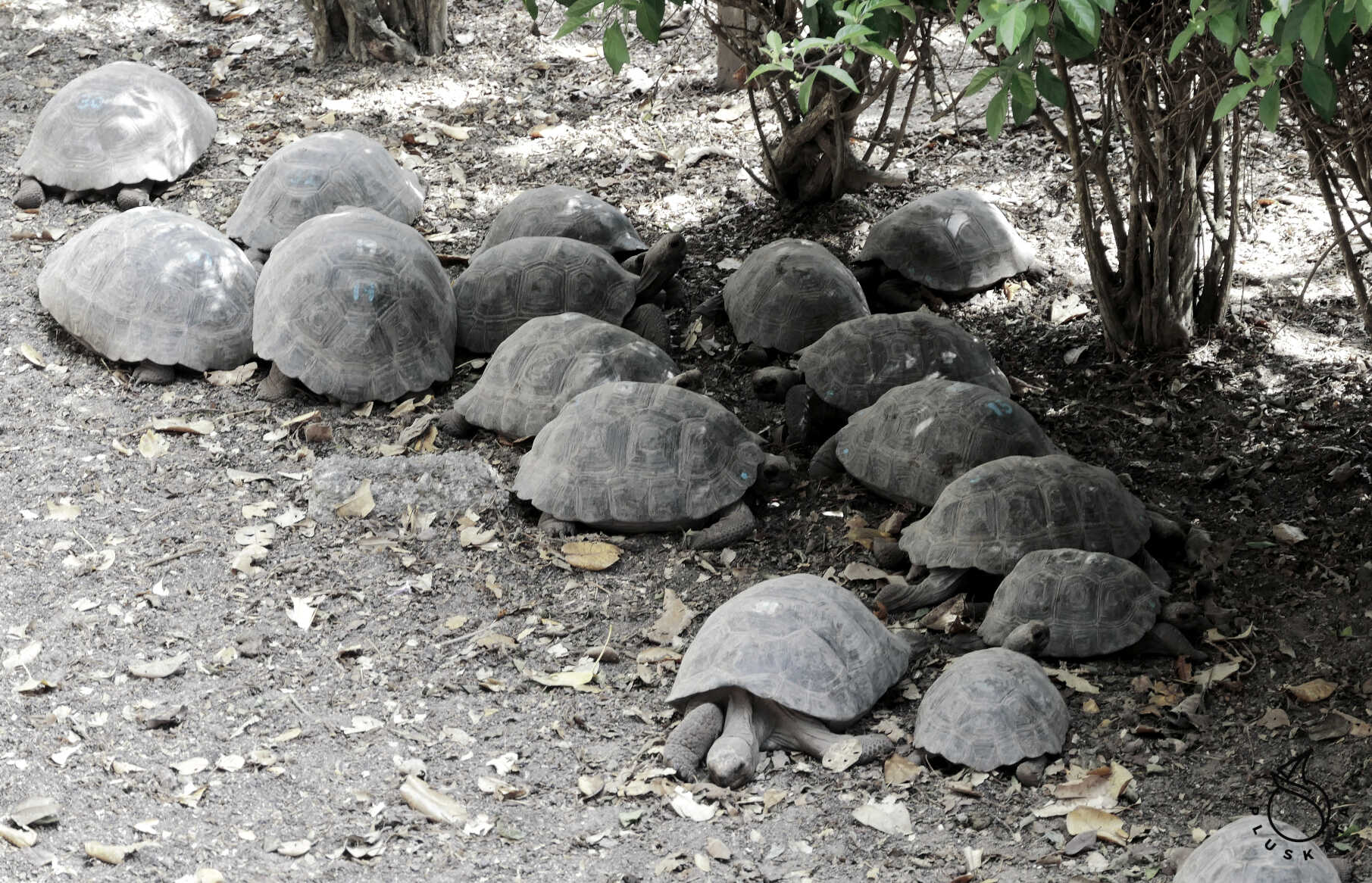
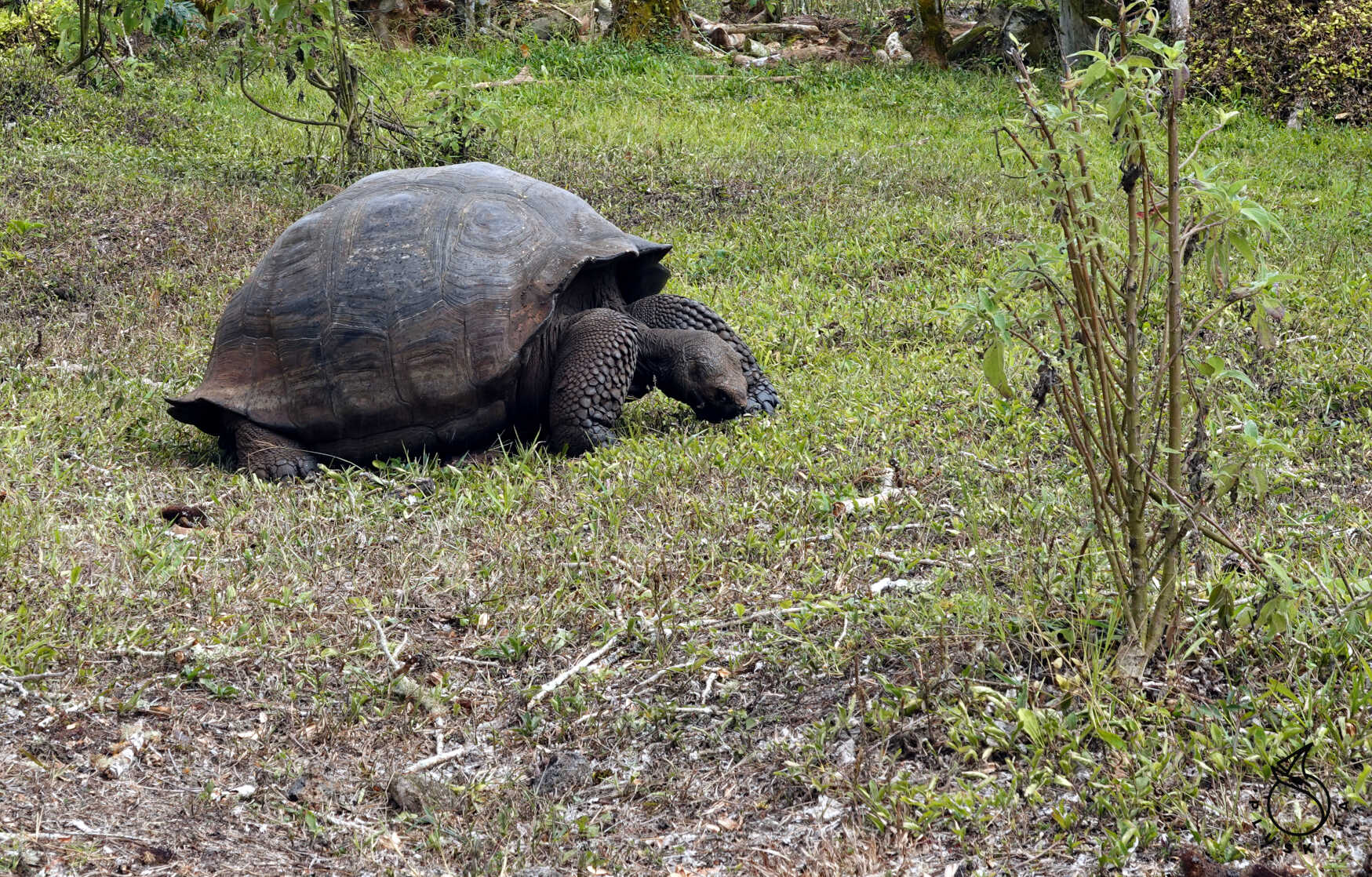
A breeding center for giant tortoises. At the center, you can see baby tortoises. After reaching four months of age, they are released into the wild. There is also a hiking trail where you can observe giant tortoises in their natural habitat. Each tortoise has a number on its shell.
Playa Puerto Chino
A beautiful beach with fine, light sand and blue water. Seals, of course, dominate the beach. Some of them linger at the beach entrance, blocking the passage. Internal Check-in
You must notify the agent on the island at least 48 hours before your scheduled departure that you intend to sail and to which island. You will receive the local Zarpe via WhatsApp. The agent on the island you are sailing to will also receive it.
Isabella Island
This is the largest island in the Galapagos archipelago, with an area of 588 km² and a length of 120 km.
Internal Check-in
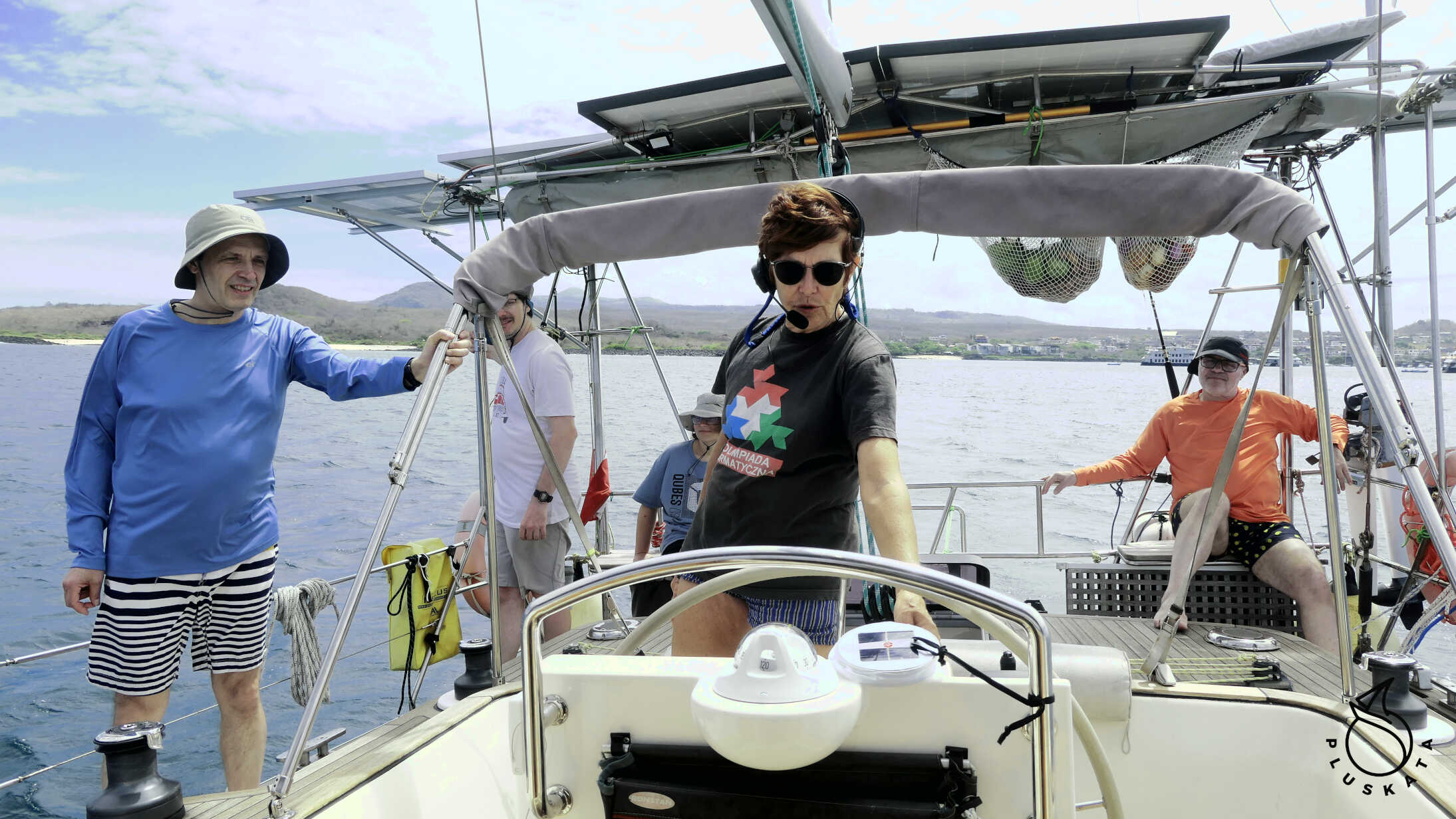
We arrange to meet with the local agent. After docking, a taxi will arrive. Shortly after, two Navy officials arrive. Each has their own paperwork to fill out. They ask about the amount of safety equipment, fuel, and capacity. Gray wastewater tanks, etc. The entire check-in process takes 10 minutes. After the officials depart, the agent tells us about the island, promises to send information about the island, and we arrange two organized tours.
Puerto Villamil
This is the most beautiful town in the Galapagos and one of two on the island. It has several shops and a laundromat (it’s worth taking your laundry to the laundromat – 1 kg of laundry costs $1, and you get it back washed, dried, and folded). There are also plenty of restaurants, and between 12 and 2 p.m. you can enjoy lunch (menu del dia) for $5-10 (soup, main course, juice, and sometimes dessert). A taxi to the shore costs $2 per person, and, like on San Cristobal, it’s called on VHF channel 14.
Giant Tortoise Breeding Center
About 2 km from Puerto Villamil is the Giant Tortoise Breeding Center (Arlando Tupiza Chamaidan). Admission is $10 per person. The center is toured with a guide, the delightful Victor. We witness the entire turtle breeding process, from conception through incubation, from baby turtles to adults. Each turtle has its own number. Victor explains the turtle breeding conditions, how the female lays her eggs, and the incubation period, right up to the hatchlings. The eggs must be carried to the incubator in the exact position they were laid. The incubation process lasts about three months, and the baby turtles emerge to the surface on their own for another month – during which they don’t eat anything. From the moment the eggs are laid, the female shows no interest in the young ones.
Flamingo Sanctuaries
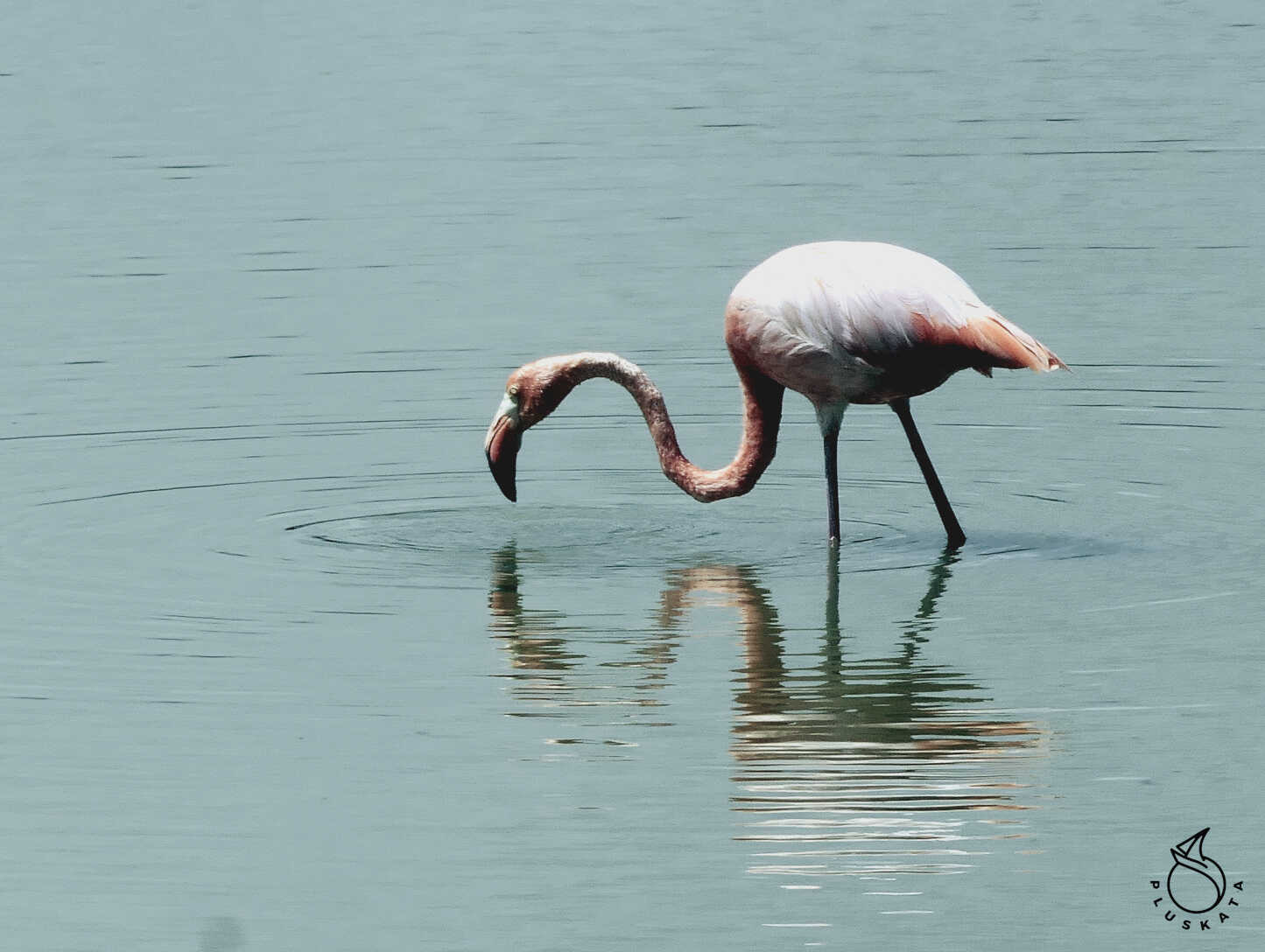
About 1.5 km from Villamil, you can watch flamingos wading in the salt pans. There aren’t many of them, but they are relatively close. There are several pans, each accessible by a path.
The Wall of Tears (Spanish: El Muro de las Lágrimas)
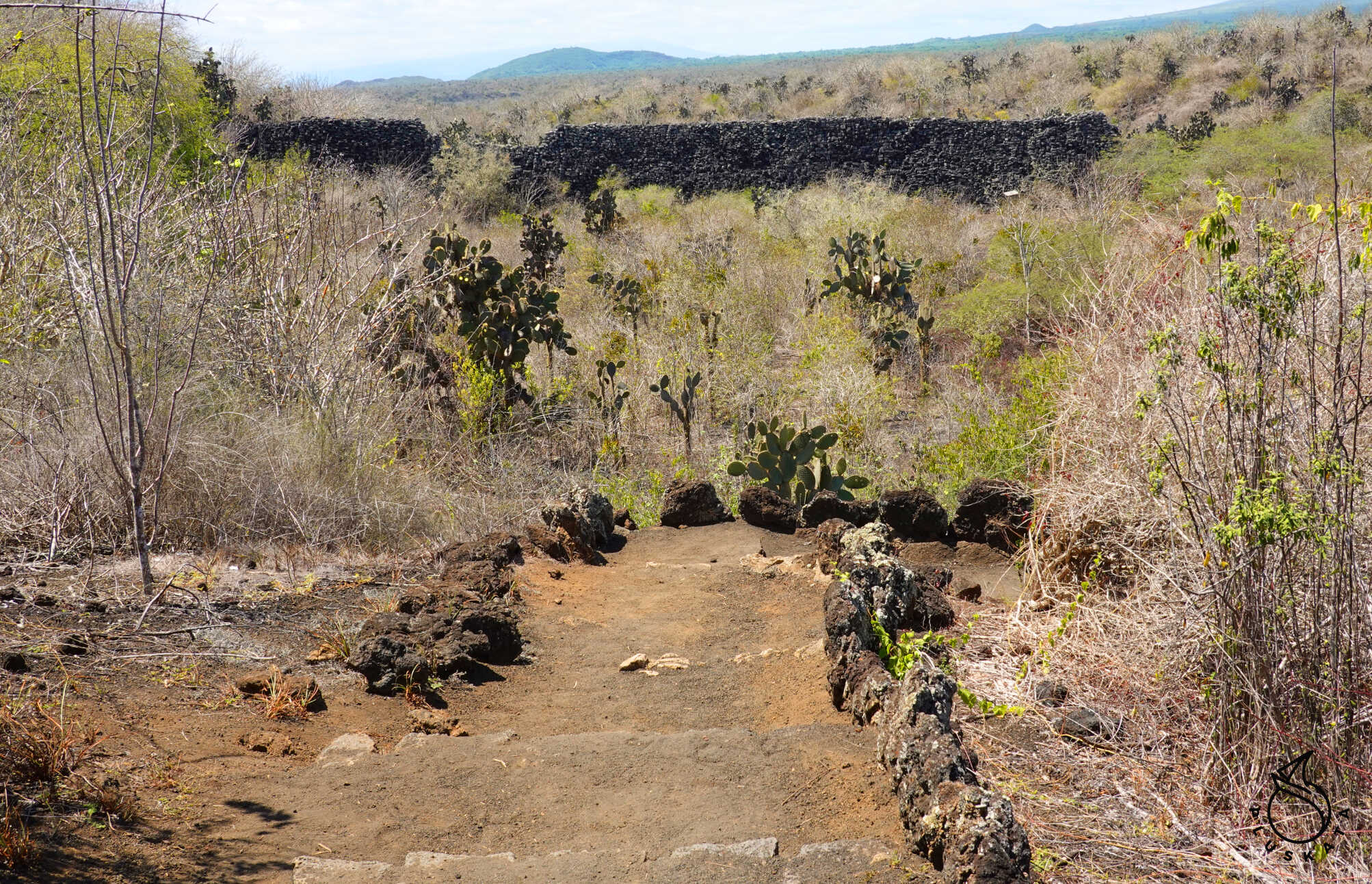
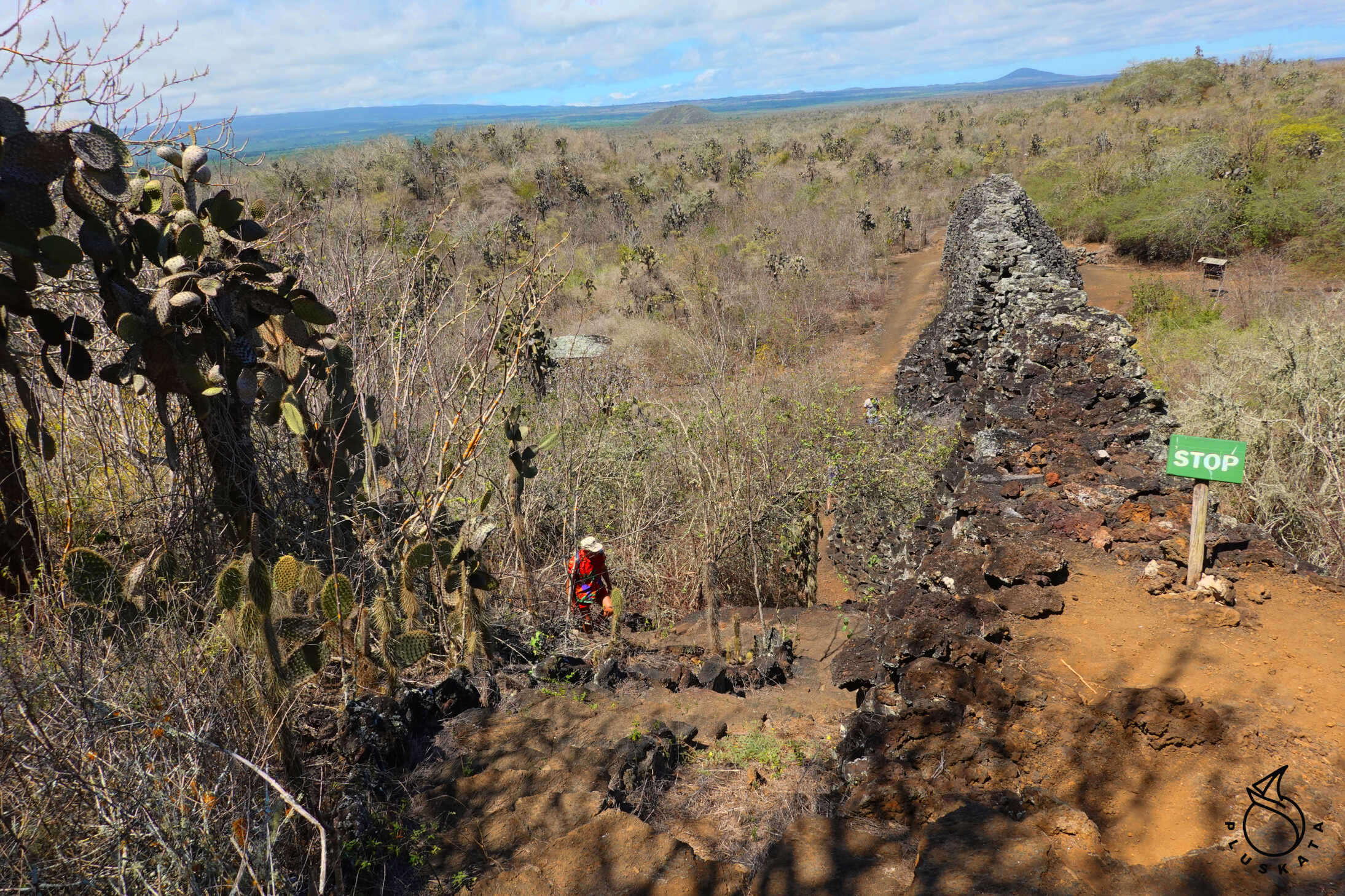
The Wall of Tears is an interesting historical site. It’s a 6-kilometer walk (one-way) from the city. The trail passes the Villamil Cemetery shortly after leaving town, with its tombs of the first settlers. Halfway to the Wall, the trail passes a white sandy beach with surrounding lagoons, where you can see all four species of mangrove native to the Galapagos. The trail continues through the arid zone to the Wall. Isabela Island was a penal colony from 1944 to 1959. The Wall of Tears was built by prisoners. It is 5-6 meters high, 3 meters wide, and approximately 100 meters long.
A trail (approximately 5 km) leads to the Wall of Tears, with numerous side paths. At the entrance to the trail, there is a guard booth where you must register with your name, nationality, and number of people. There are caves, large iguanas, turtles, and, of course, the ubiquitous sea lions. In total, the entire trip, including time for photography and viewing the surrounding attractions, takes us about 4 hours in total.
Sierra Negra Volcano Trip
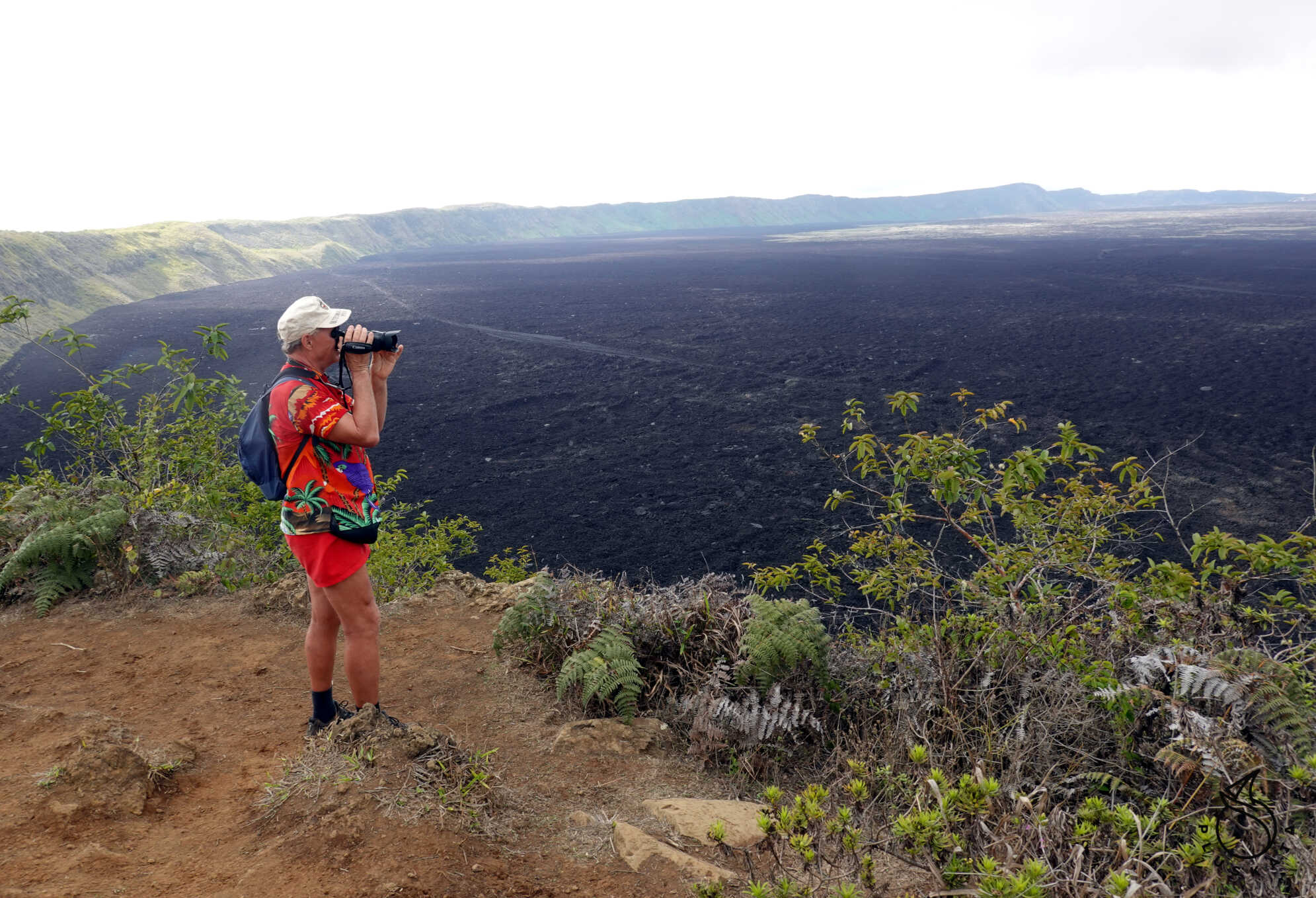
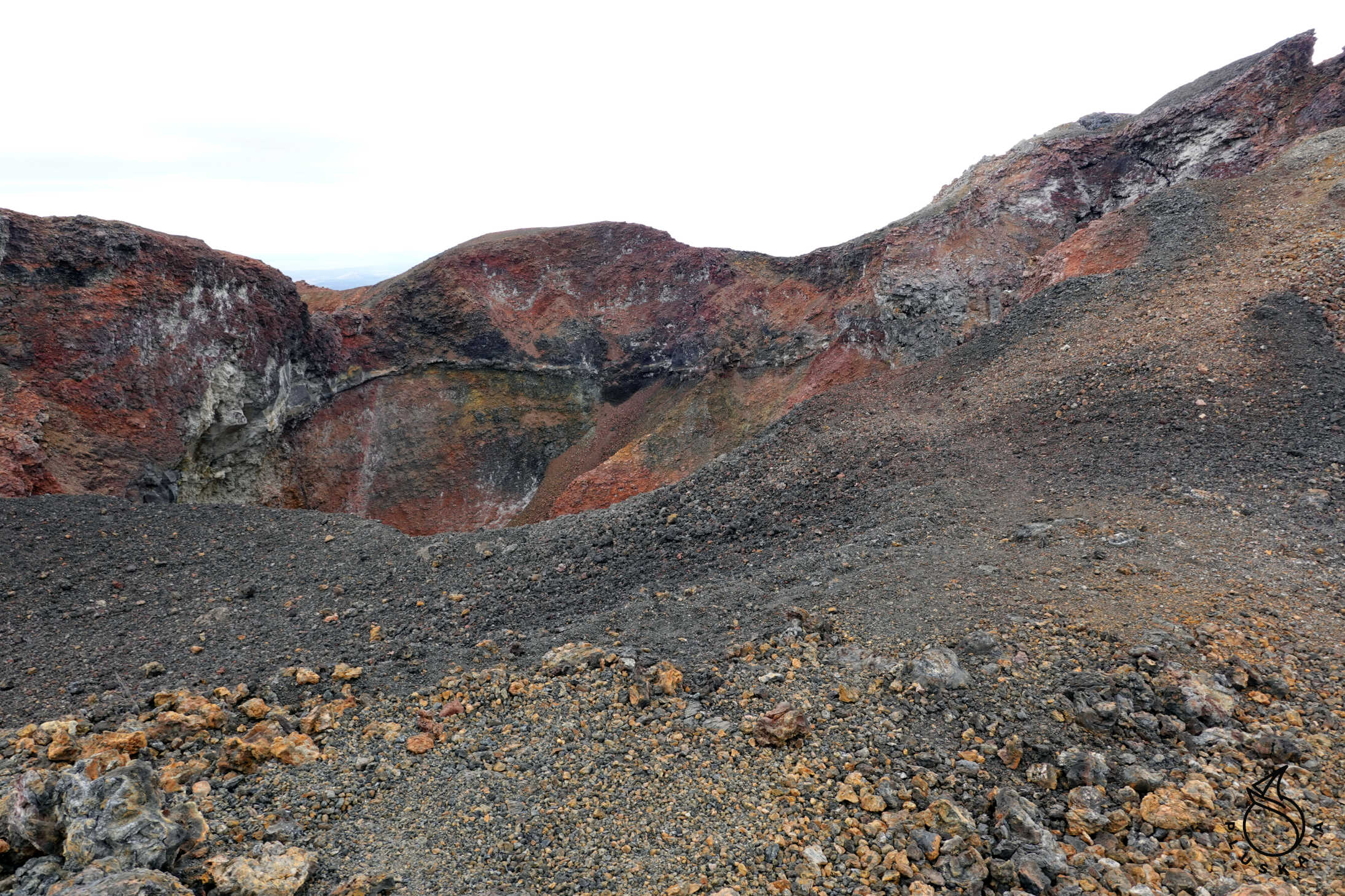
This trip is organized by an agent through Heaven Expedition. The cost is $55 per person, including a small meal (bread roll, juice, and banana), guide services, and transportation. We depart from the pier in an open-top “bus.” Along the way, we pick up other tour participants. The ride takes about 45 minutes, then we set off on the trail. The guide (Alfredo) tells us about the various plants and animals. We reach the caldera rim, stop for a small meal, and then head down into the caldera. Lava from various eruptions is visible. After about 5 hours, we return to Puerto Villamil, have a late lunch, go for ice cream, and return to the yacht.
Lava Tunnel Trip
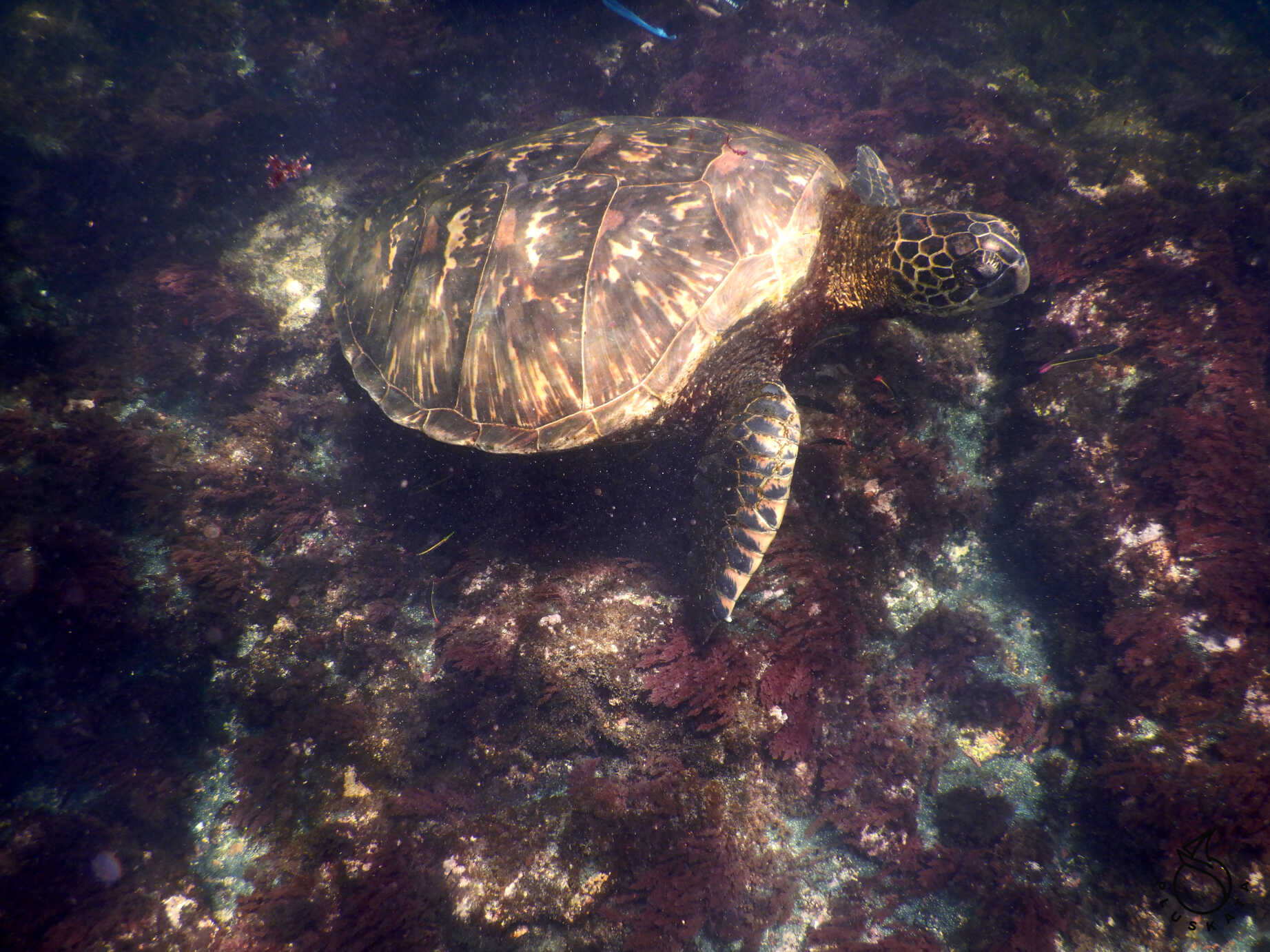
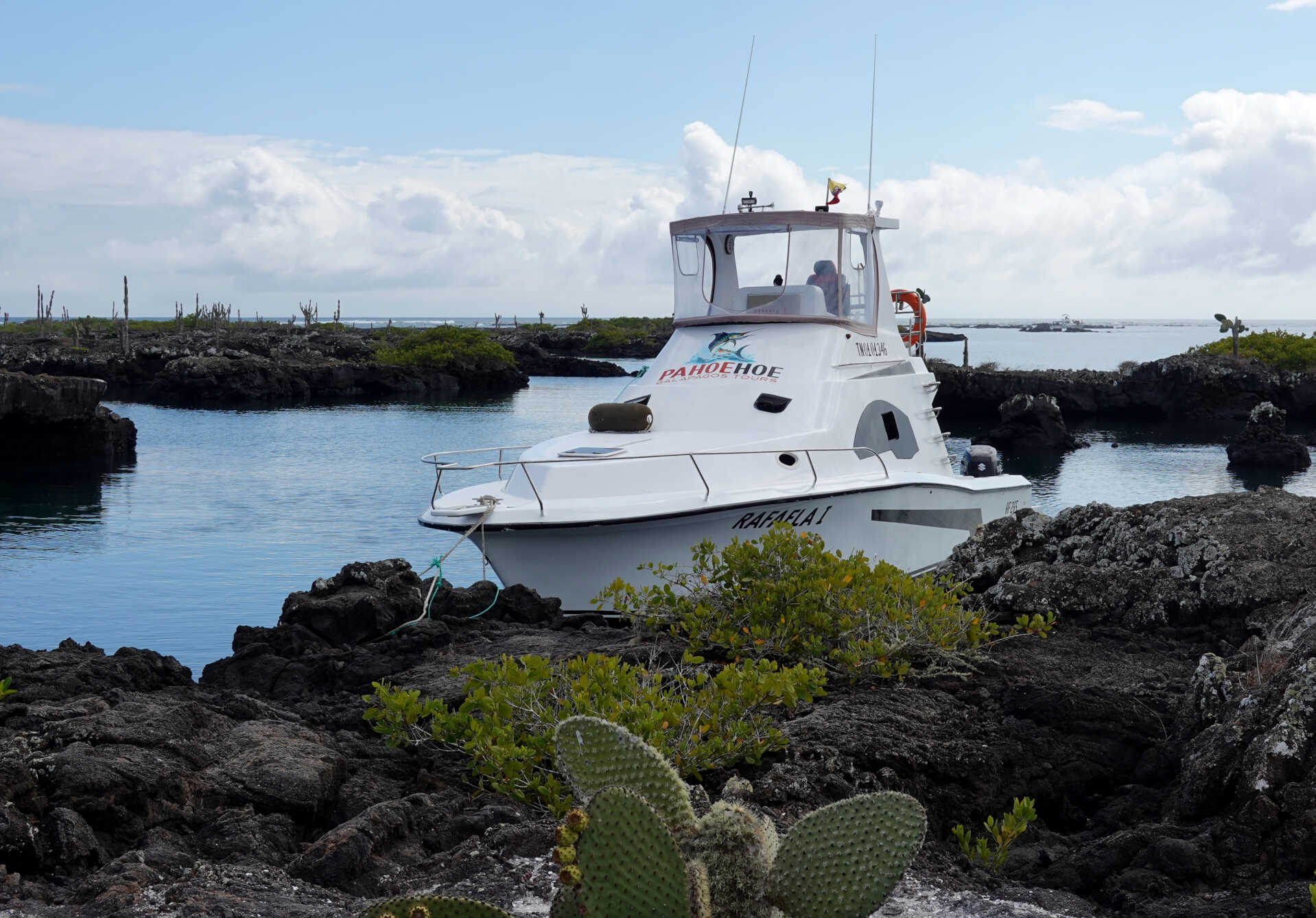
The next excursion we booked is a trip to the lava tunnels ($140 per person, but our agent arranges a discount, making it $125 per person). We set off by boat in the morning. We reach the snorkeling spot. The package includes masks, snorkels, and fins, but we mostly carry our own (optical) masks and snorkels. We set off to see the turtles first – they’re huge. The next highlight is a seahorse. The guide finds one in the mangroves and everyone takes turns photographing it.
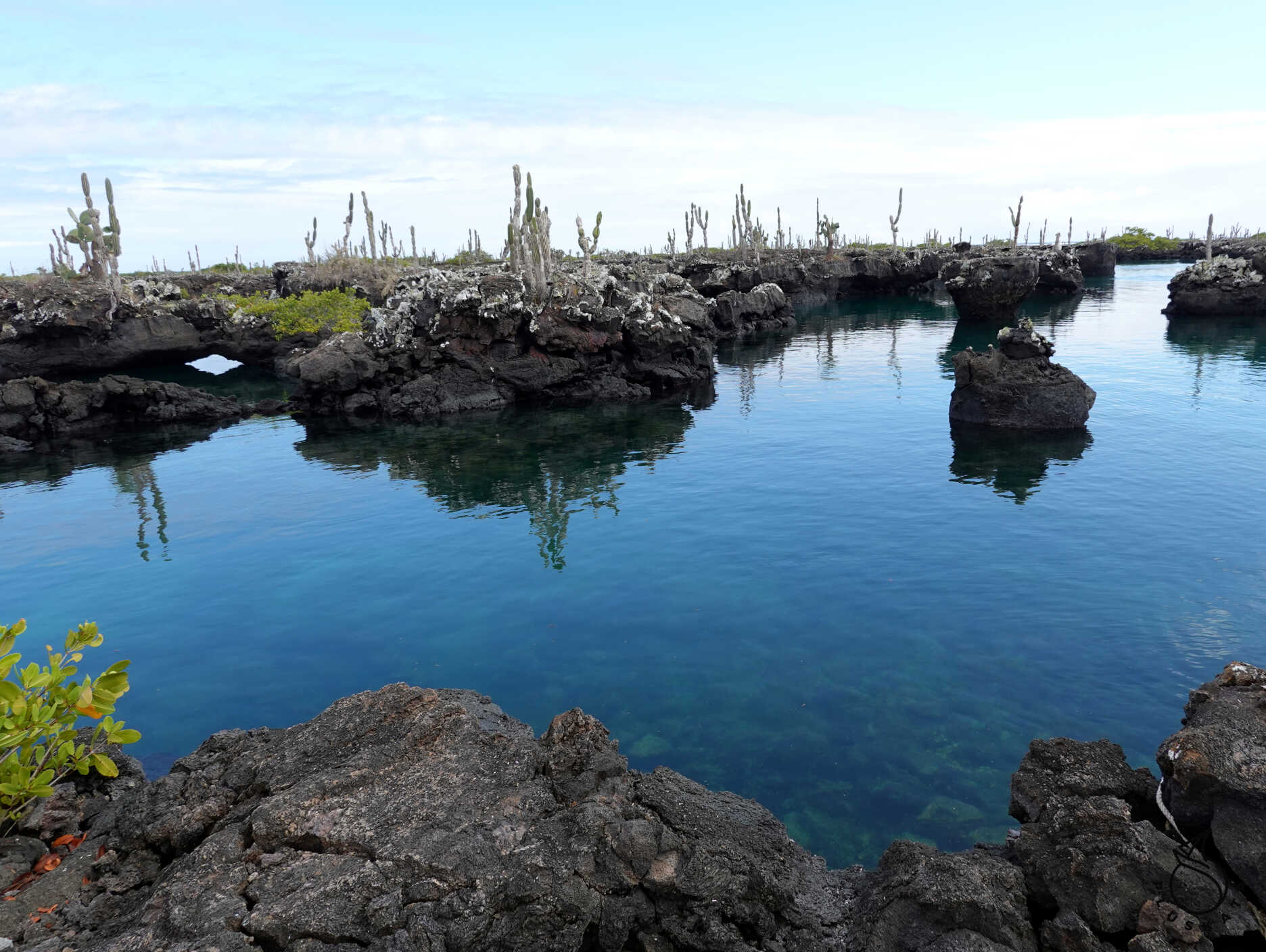
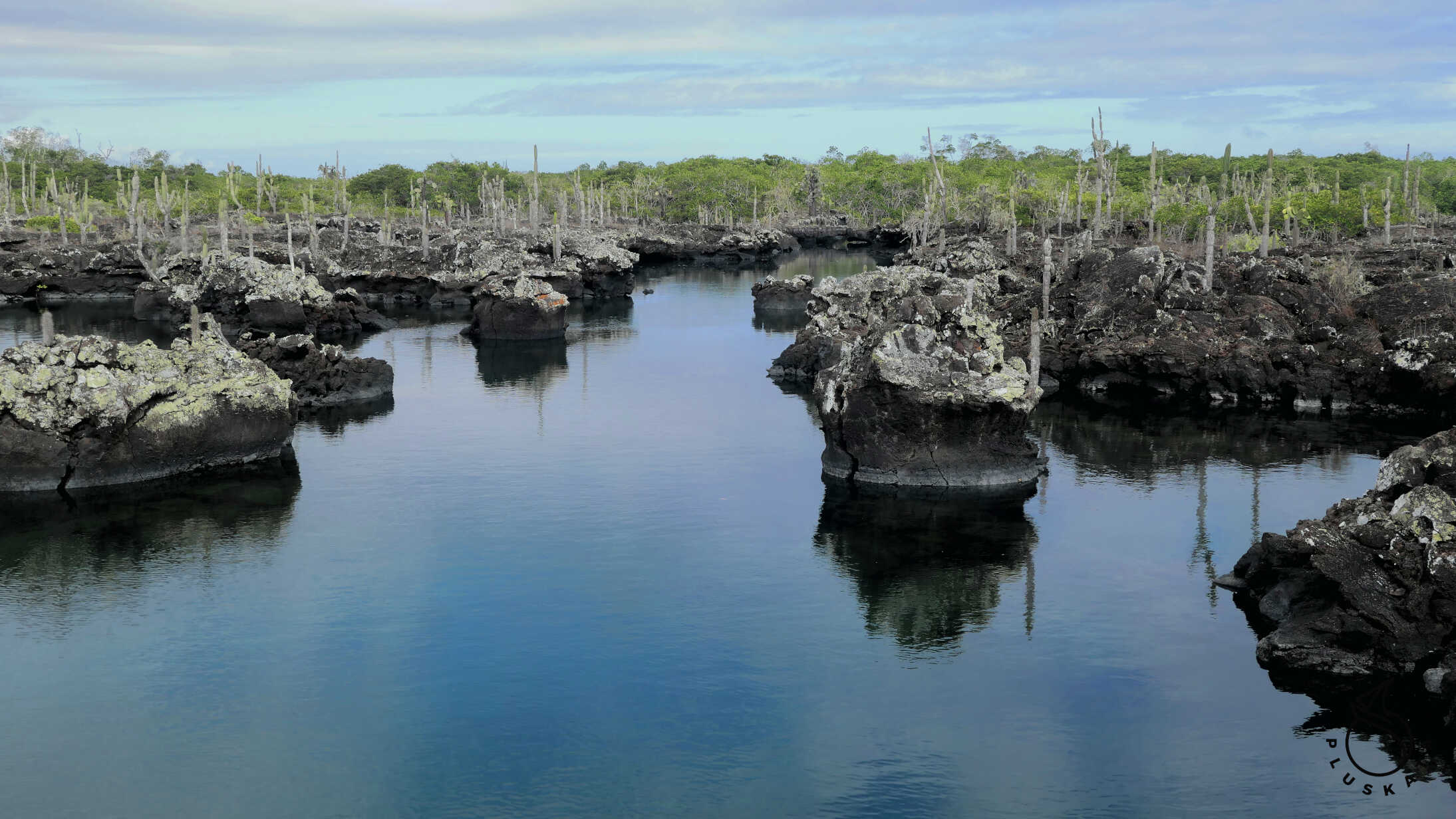
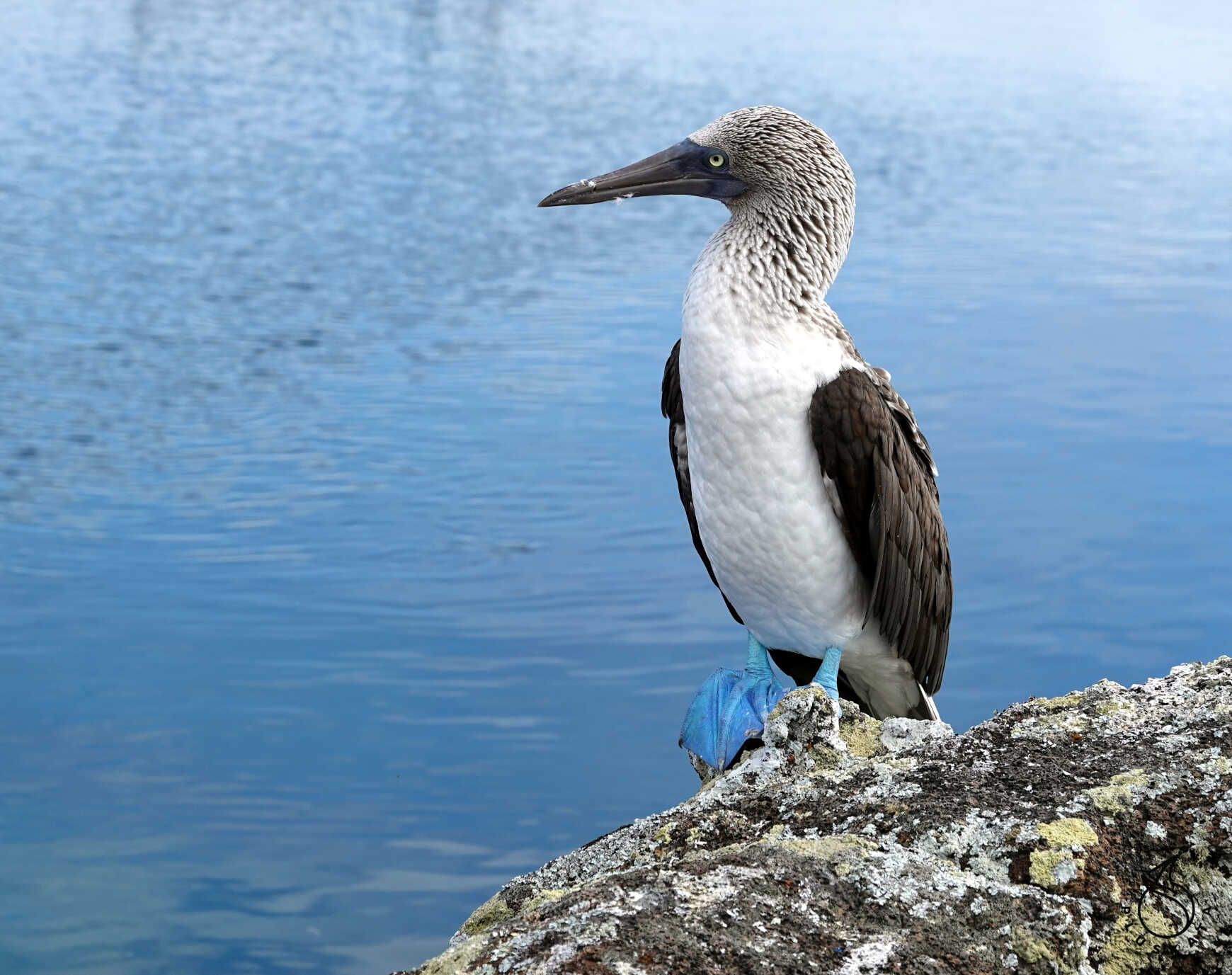
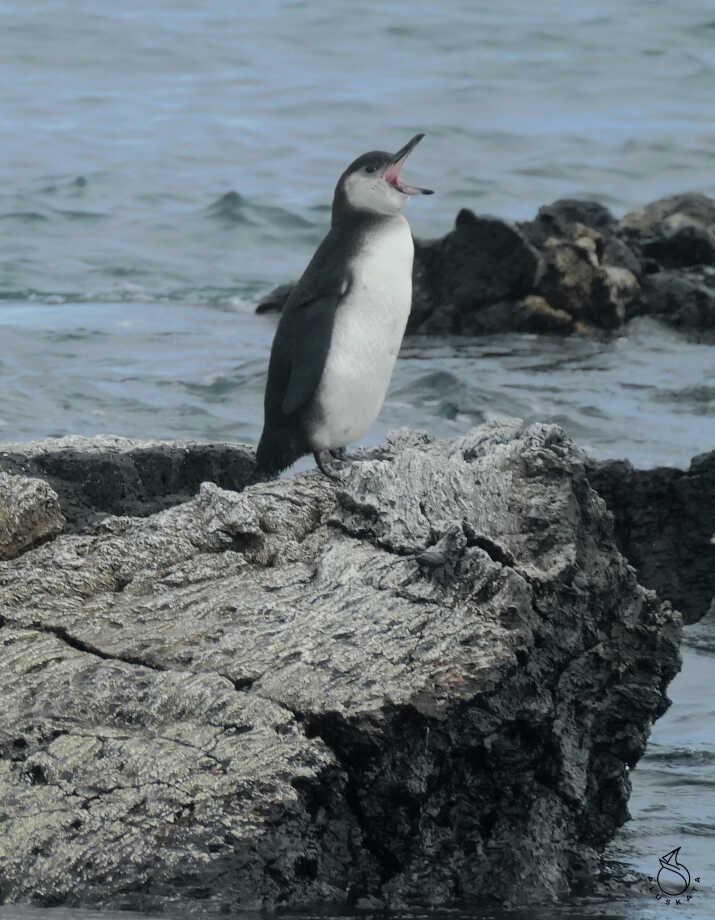
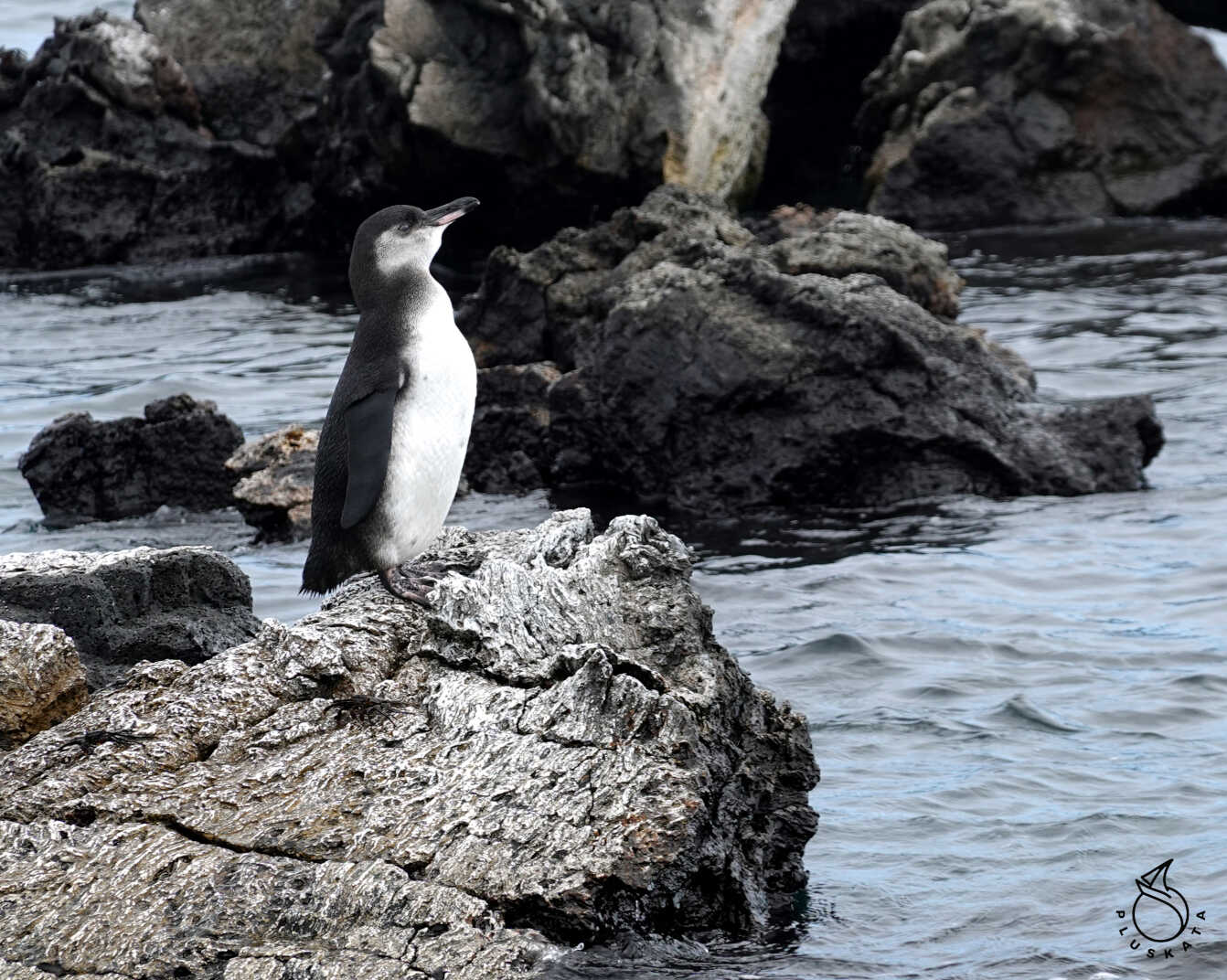
Finally, we see sharks in a lava tube. We spend about an hour in the water. After snorkeling, we have lunch (chicken with rice and salad). Then we sail to other lava tubes (this time above water) – they consist of thousands of bridges. Blue-footed boobies live among these bridges. We take photos and continue our journey. We stop for penguins and return to the port.
Concha la Perla
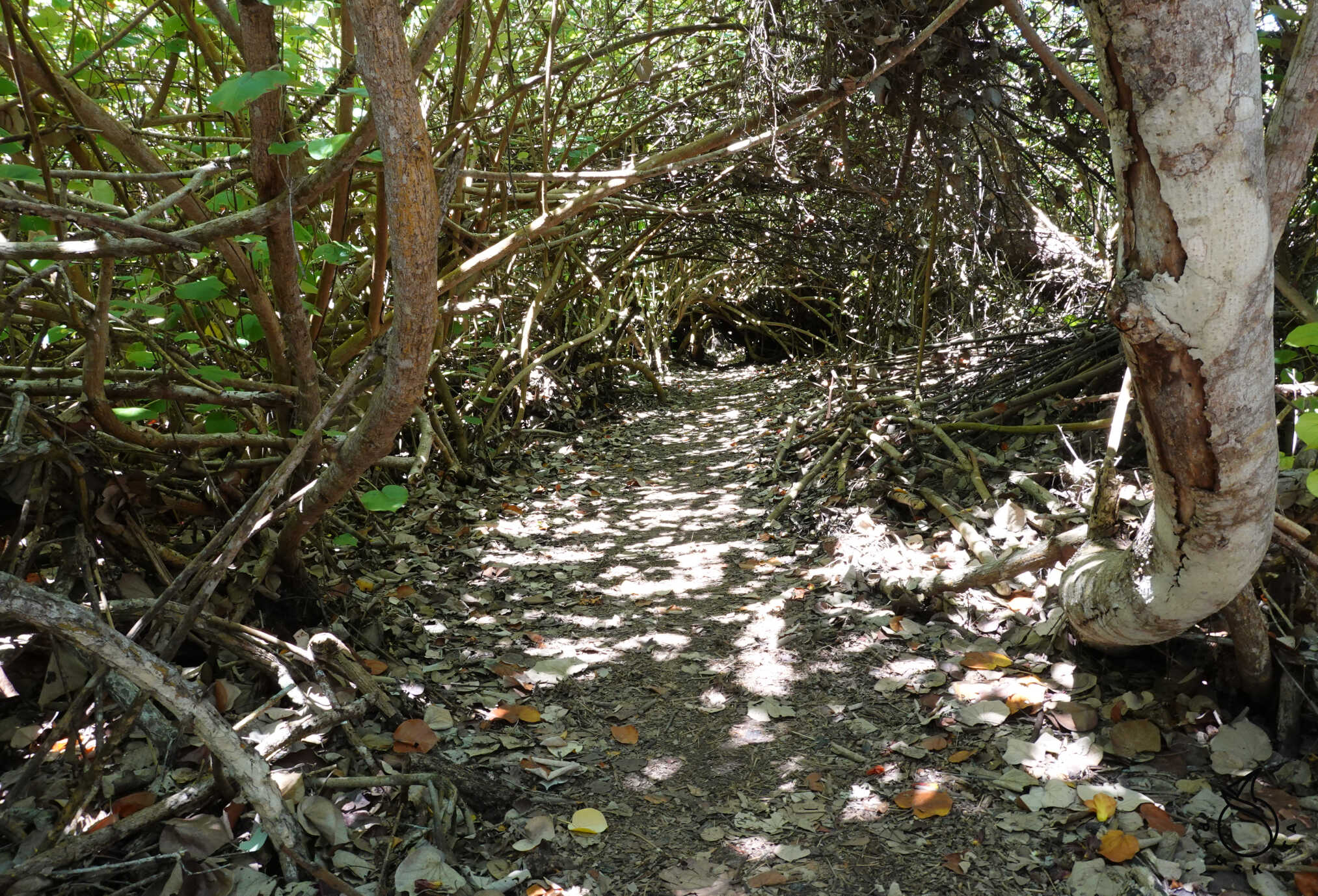
A path through the mangroves leads to a natural pool (about 350 meters from the jetty where the water taxis arrive). Admission is free. At the end of the path, there’s a platform from which you can enter the water. There are many iguanas and long-eared bats on the platform. There are many colorful fish swimming in the pool, and apparently manta rays sometimes appear.
Santa Cruz Island
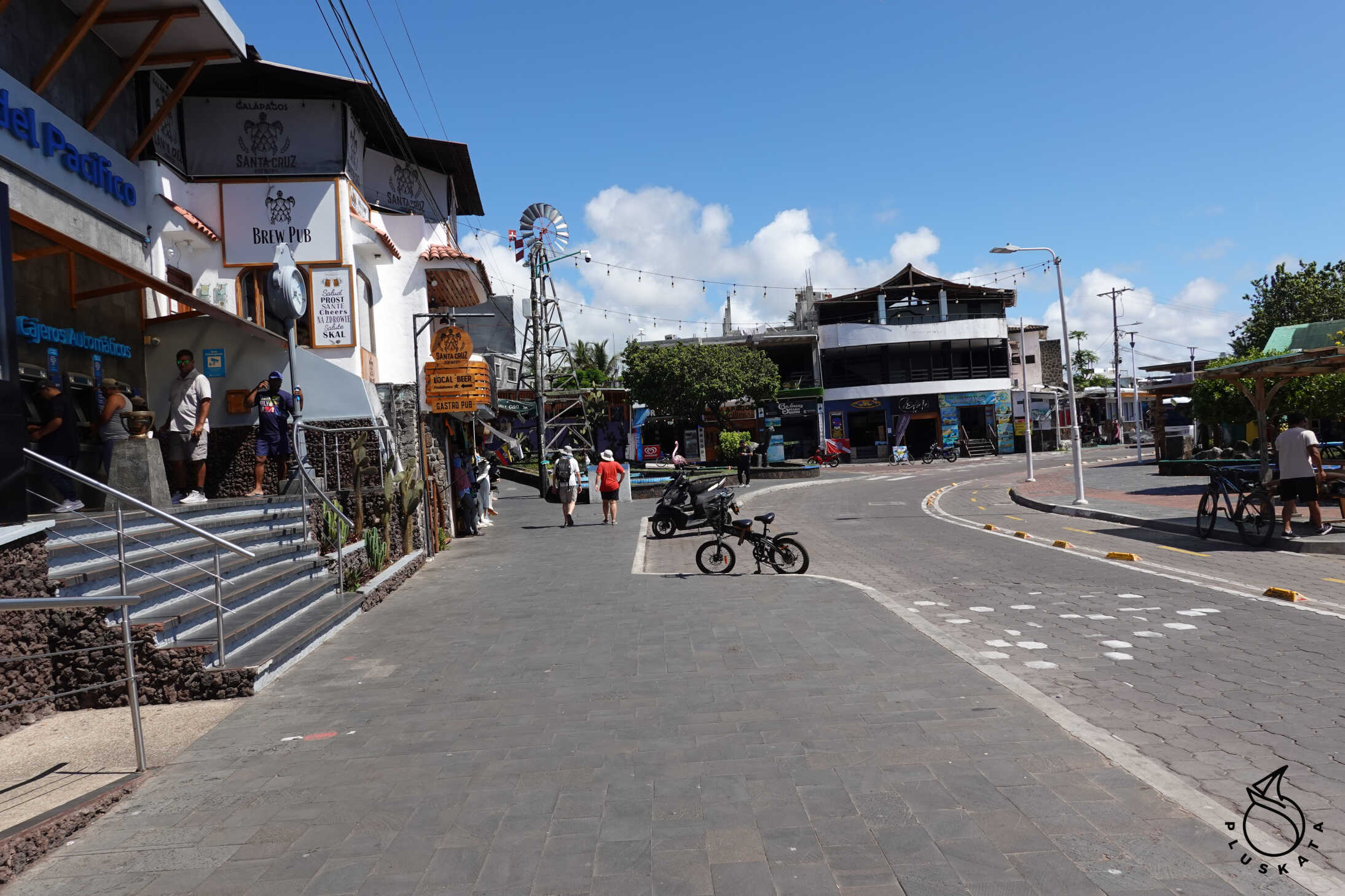
Puerto Ayora
The Academy Bay anchorage is full of boats, mostly small ray-boats ferrying tourists between islands. Most of them are anchored at two anchors – one at the bow and one at the stern. Water taxis and ferry boats constantly ply among these boats. It feels a bit like being on a highway. We only drop one anchor. Shortly after docking, an agent arrives and answers many of our questions. Every day, a boat arrives and collects bags of garbage. Taxi Calls are placed on VHF channel 14 – they cost $1 per person. The policy here is different – the water taxi picks up customers from several boats or hotels and then distributes them to several boats. Taxis run 24 hours a day.
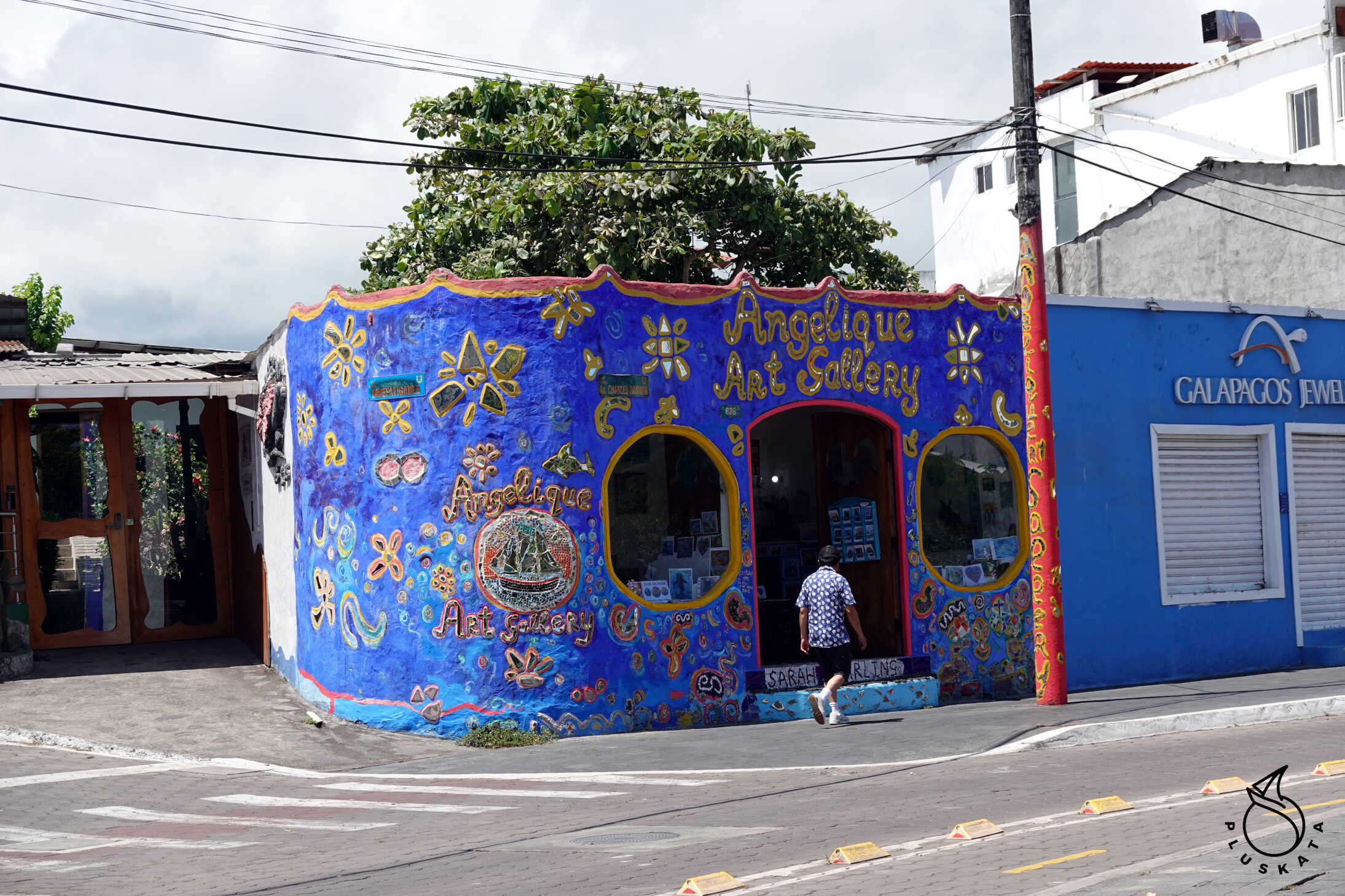
Puerto Ayora is the largest city in the Galapagos. It has paved roads, traffic lights at intersections, and many travel agencies offering numerous tours around the island and surrounding areas.
We go to a street with a multitude of restaurants offering menus for $5-6 for a menu. The menu varies. As soon as we turn into the street, we’re besieged by touts. We choose the first restaurant that comes to mind. Soups include fish, shrimp, and cheese, and for main courses, fish, shrimp, or chicken. Everything is delicious.
After lunch, we go shopping and explore the city. We buy spare squeegees for the kitchen, a blouse, and a hat for Tomek. We return to our agreed-upon spot, buy ice cream for $2 (a large portion), and return to the yacht.
Charles Darwin Research Station Interpretation Center
Tours to the Interpretation Center are free – it features an exhibition about the history of the Galapagos and the animals that live here. The visitor center contains exhibits on climate and geography, providing insights into the evolution of flora and fauna, and ongoing conservation programs. Darwin Station conducts research and provides technical assistance to other researchers and government agencies, particularly the Galapagos National Park. Research results are published in scientific journals and reports, and are also included in informational exhibits for visitors. Darwin Station also provides environmental education to communities and schools on the Galapagos.
An additional $10 per person fee applies to the tortoise breeding center, which requires a guided tour. We had already seen such centers on the other two islands, so we decided to skip it. The walk to the Center from the water taxi dock is about 20 minutes.
After the tour, we head for lunch and then to Playa de Tortugas.
Tortuga Bay
The trail to Tortuga Bay starts from the main street in Puerto Ayora and takes about an hour. The trail passes through a dry zone, and along the way you can see many land birds and iguanas. Once you reach the shore, there are two beaches. The long beach open to the ocean has strong underwater currents, and only strong swimmers should go there. The second beach is located to the north in Tortuga Bay. The water there is calm. Admission to the beach is free, but it closes at 5:00 PM, so park security forces everyone out of the water at 4:30 PM.
Las Grietas
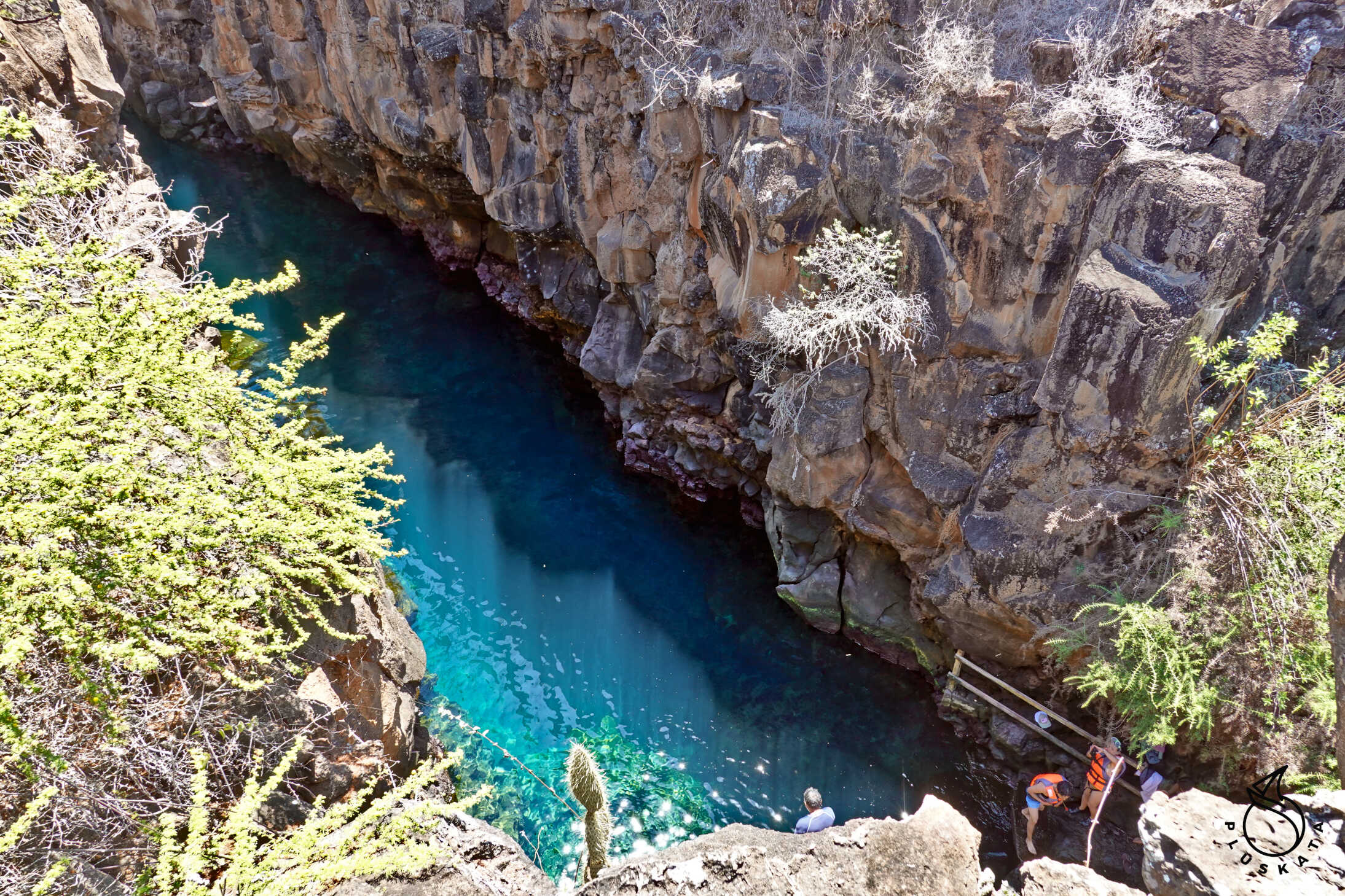
To reach Las Grietas, take a water taxi from the city pier to the Finch Bay Hotel pier on the other side of the bay. From there, the trail leads through lagoons, a beach, and a residential area until it reaches the cliffs of the main fissure. Be careful when descending into the fissures. There, you can observe two very different water levels – freshwater on the surface (only during the wet season) and salty seawater at the bottom. The fissures are a beautiful place for swimming. There’s an entrance fee of $10 per person, and you’re provided with a guide who explains the various rock formations and the salt lake along the way. Swimming in the fissure is limited to 45 minutes, but the fissure is small (about 100m long), so that time is perfectly adequate.
Los Gemelos
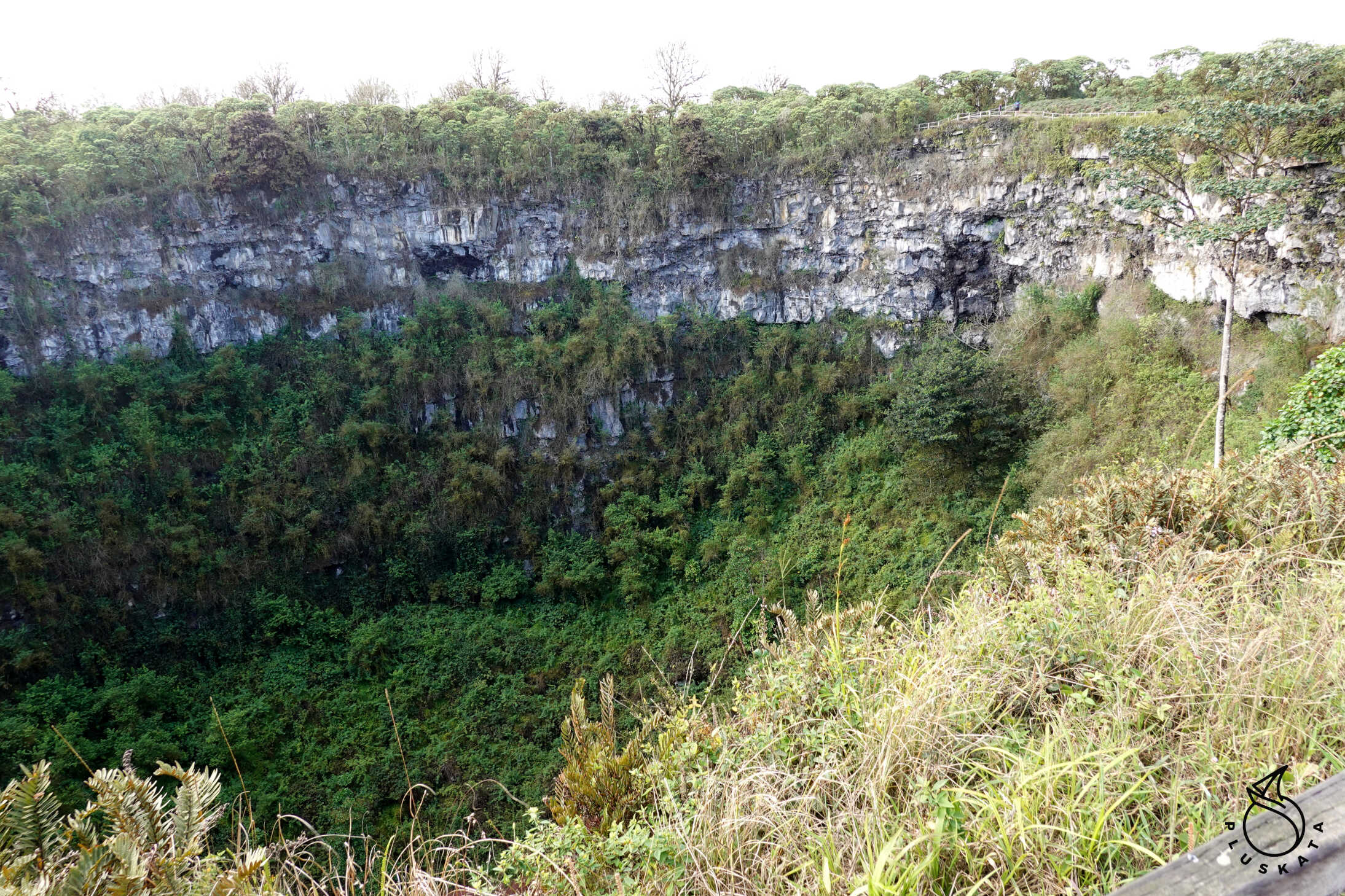
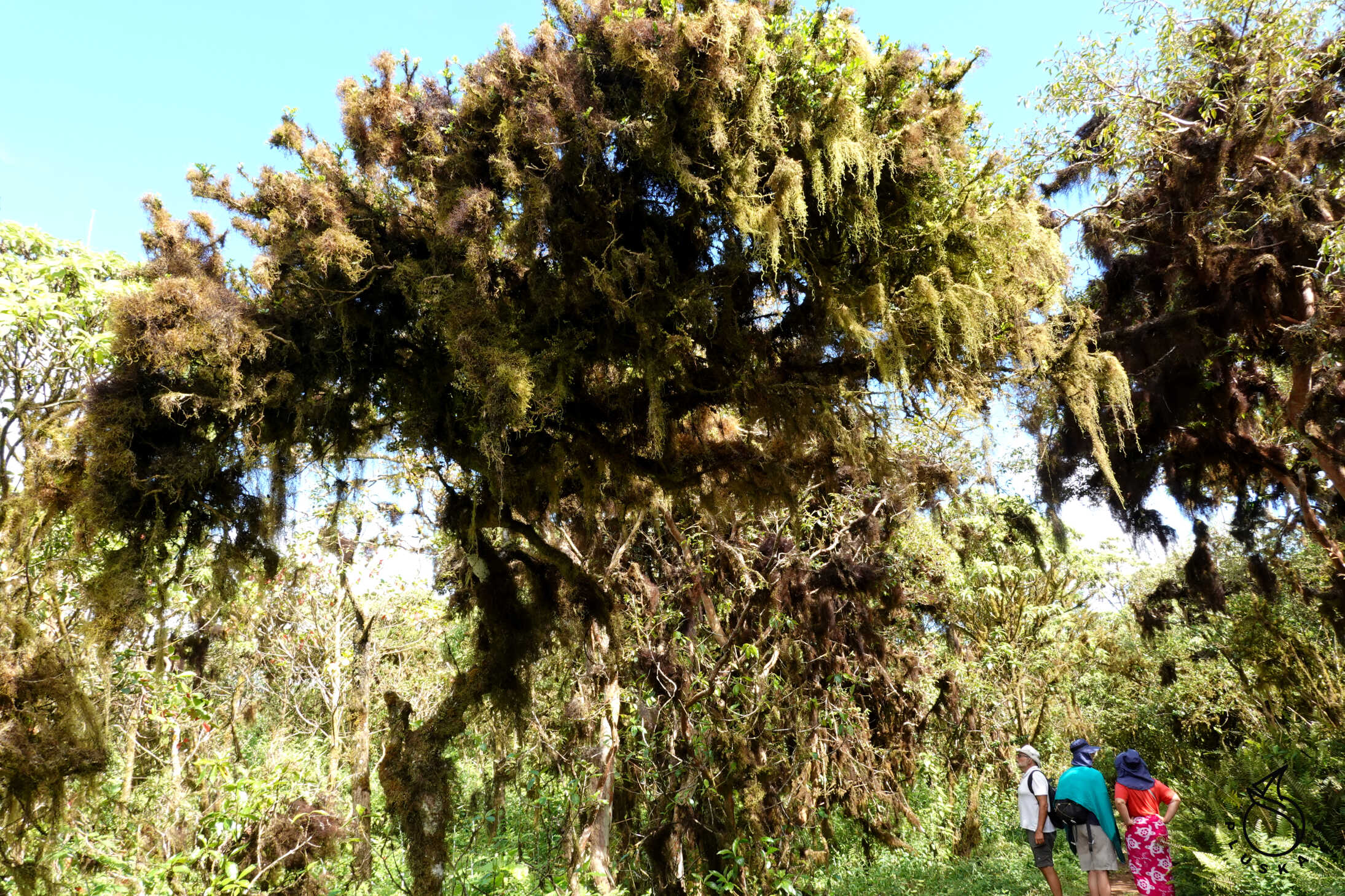
These two large craters along the road from Puerto Ayora to Baltra were formed by the collapse of empty magma chambers. We stop along the road and visit both craters, walking around their rims. The circular path to the larger crater passes through the beautiful Scalesia forest, which is an excellent place to observe land birds, including vermilion flycatchers, long-eared owls, Galapagos doves, and several species of finches. The entire trip takes about 30 minutes. We take a trip to Los Gemelos and the lava tube farm in hired taxis ($60 per taxi).
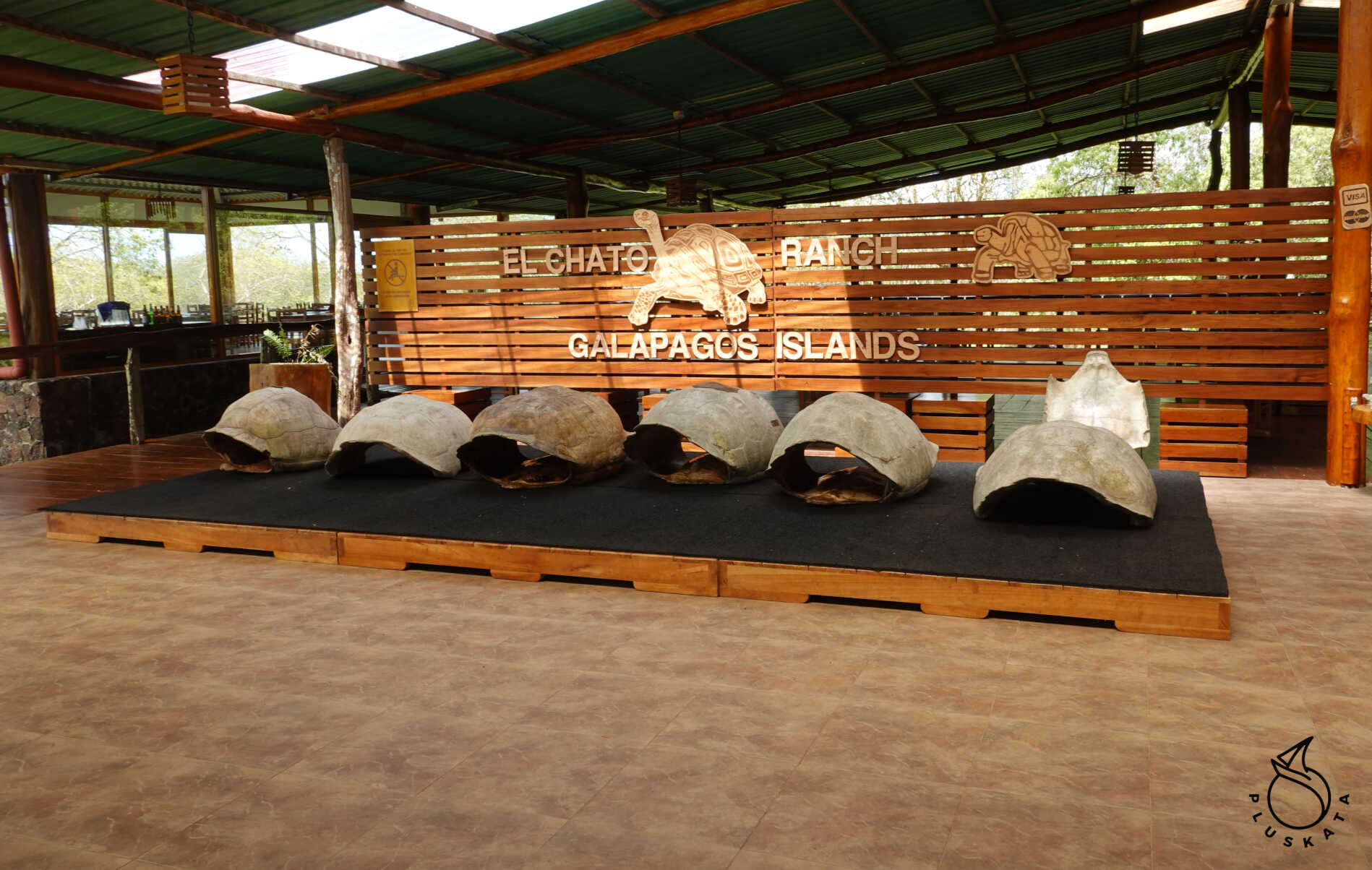
Rancho El Chato
The taxi driver takes us to Rancho El Chato. The ranch has a turtle sanctuary and three lava tubes. Admission is $10 per person – cash only.
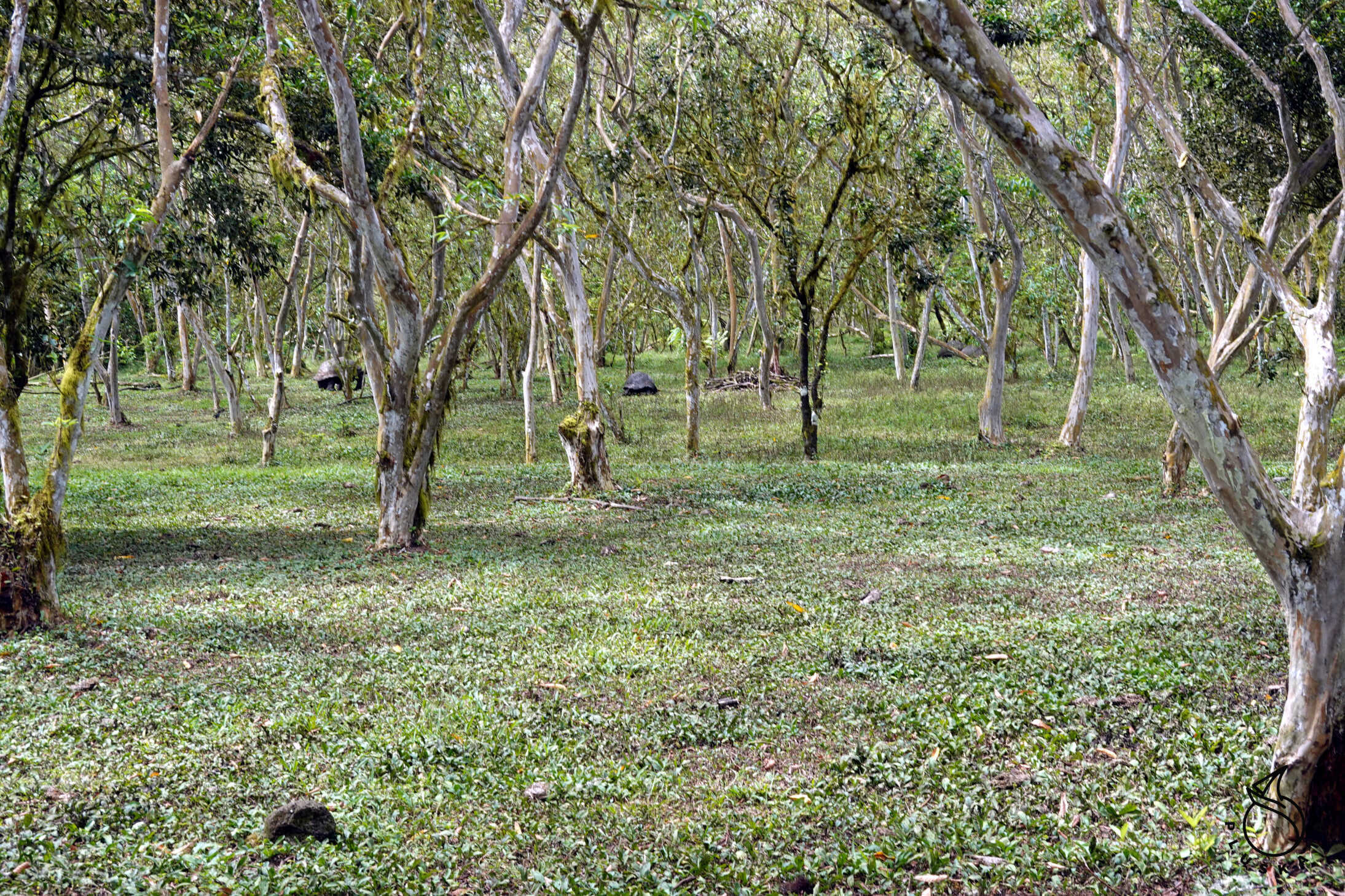
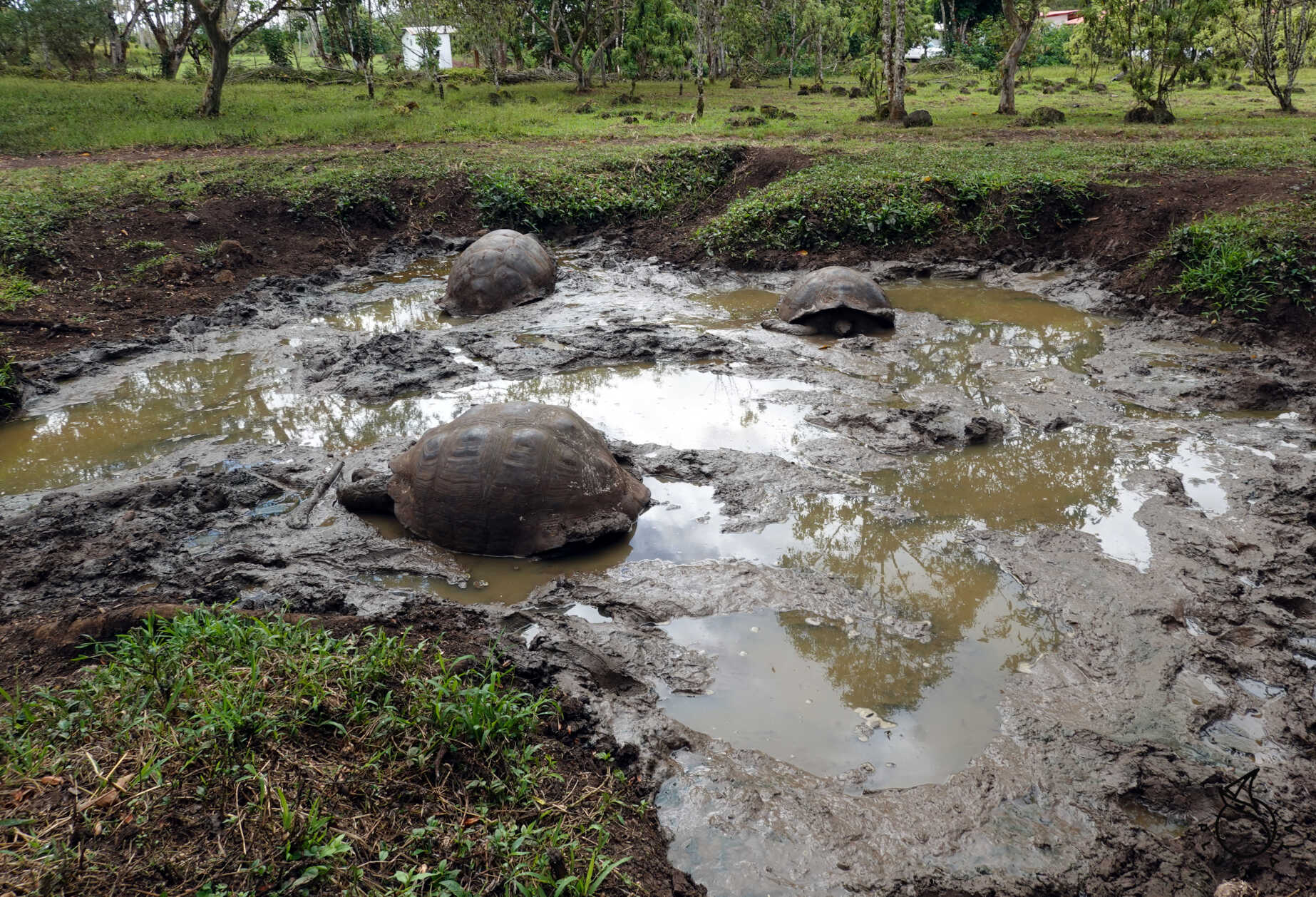
As part of the fee, we receive a guide who tells us about the turtles – the farm has turtles ranging in age from 20 to 180 years old. They come here voluntarily (the fence is large enough to accommodate the turtles). They all feed on grass, which is plentiful on the farm. They dig their own “pools” in the grass and into the mud, where they wallow (they really enjoy it). After mating, the females go to the beach for about two weeks to lay their eggs.
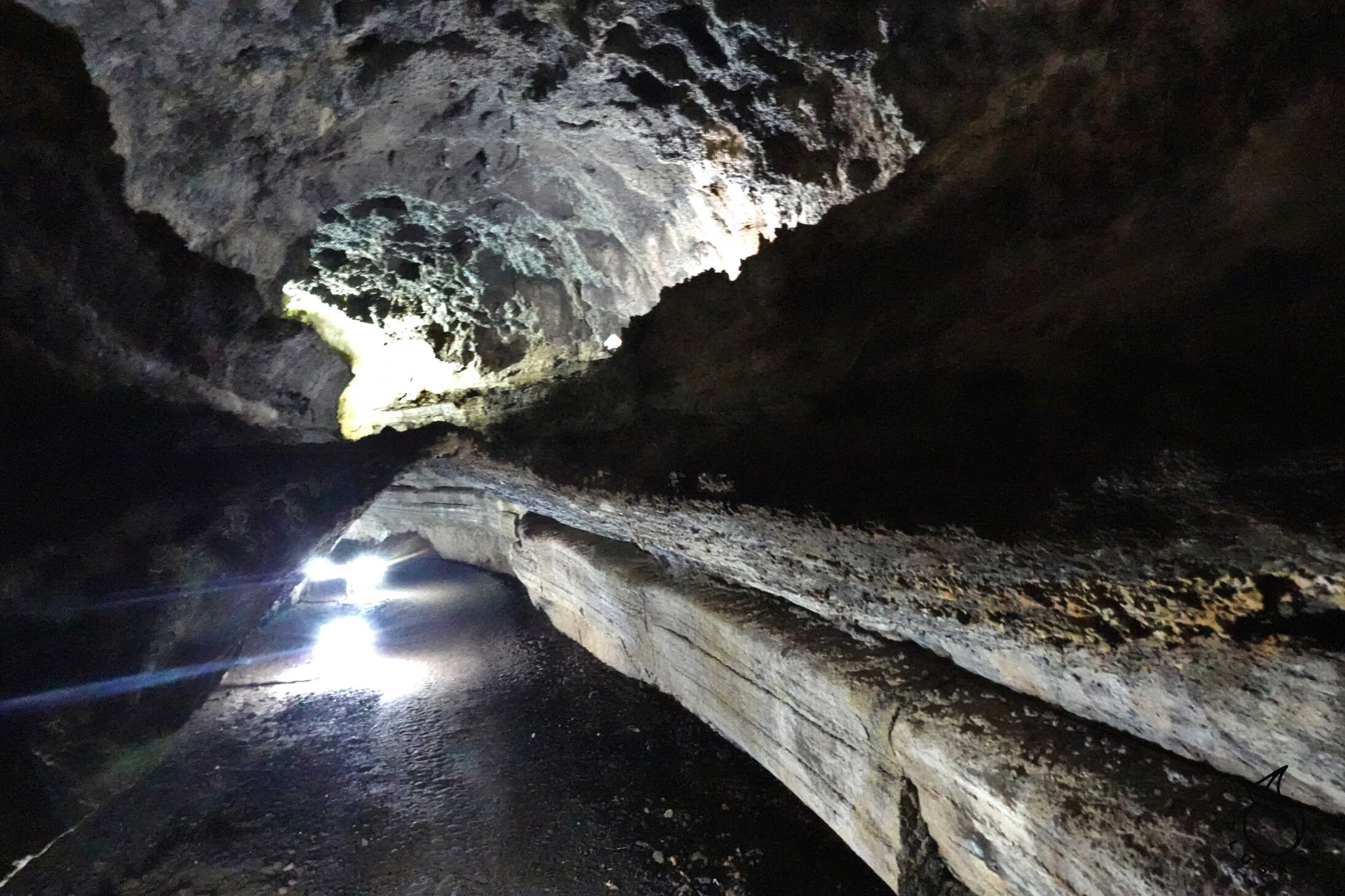
The lava tubes were formed when the surface lava cooled and solidified, while the underground hot lava continued to flow, ultimately leaving an empty cave. There are three lava tubes on the ranch available for tours. The first, medium-length, is accessed with a guide, and the other two are explored independently. There’s a shop and a café on the ranch. You can try the local coffee (for a tip) – it’s very tasty. Next to it is a heater with lemongrass tea. After exploring the farm and drinking your coffee, take a taxi back to town.
Galapagos Fueling
You need to contact the agent and tell them when you want to fill up and how many gallons (price: $5.95 per gallon). He will arrange the permit for fueling for a specific day. At the agreed time, a boat arrives with barrels of fuel and the exact amount measured. There’s no other meter, so if you order too much and can’t refill, you’ll still be charged for everything. We were off by about a gallon, so it wasn’t very bad.